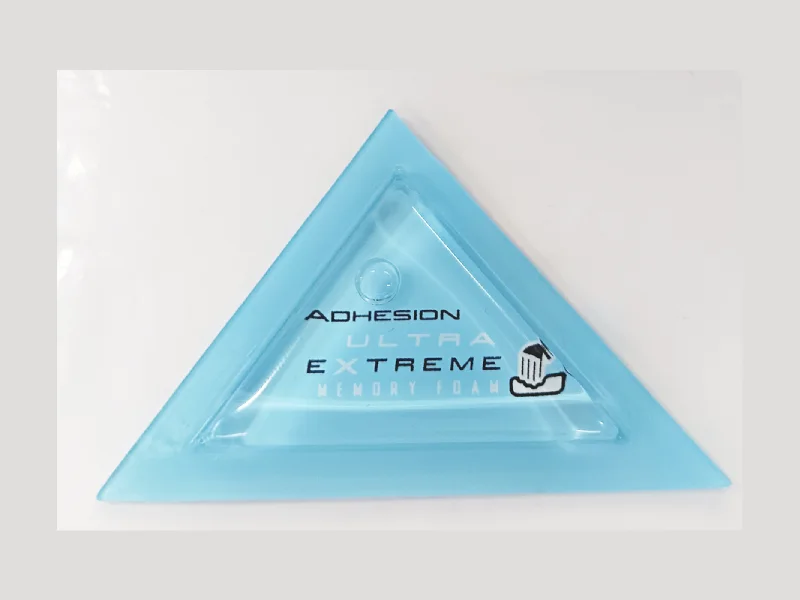
Why Our TPU Oil-Filled Patches Use Silicone Oil
When apparel, bag, and outdoor brands select a TPU oil-filled patch, the most common concerns are usually the same: safety,
When apparel, bag, and outdoor brands select a TPU oil-filled patch, the most common concerns are usually the same: safety,
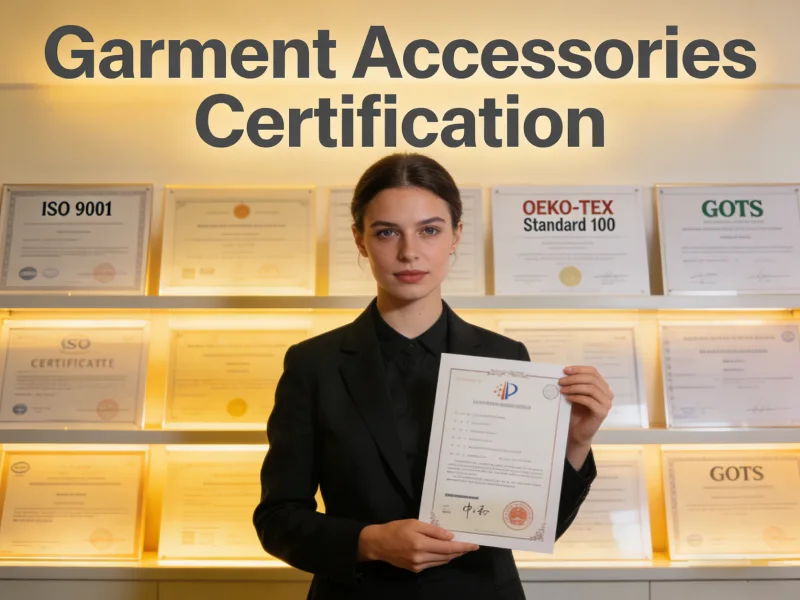
In the global apparel supply chain, brands are placing increasingly strict requirements on their suppliers regarding environmental standards, quality systems,

In the apparel and accessories industry, brands have long searched the world for lower production costs. Moving manufacturing to different

When designing embroidered patches, many brands focus mainly on colors and visual style. However, size limitations in computer embroidery are

A Common Question from Apparel Brands A customer once asked us a very practical question:“For injection-molded apparel accessories, what’s the
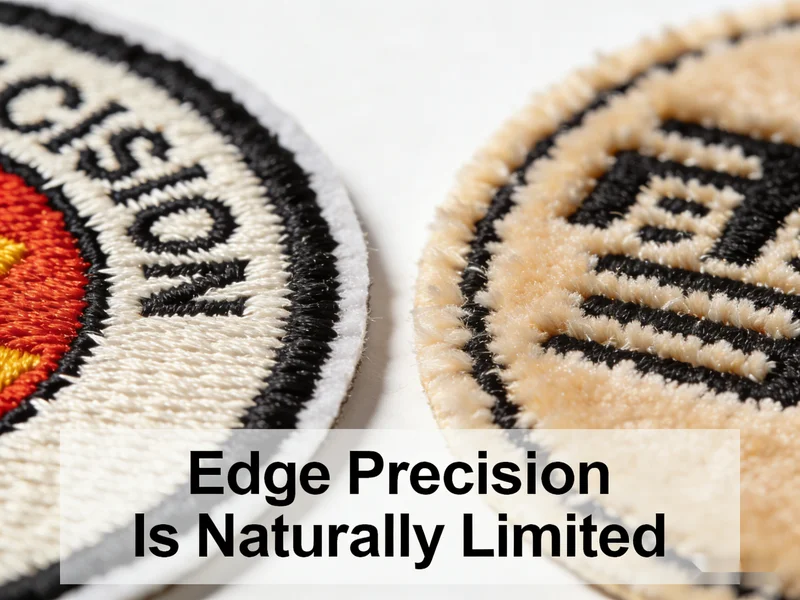
Why Understanding Embroidered Patch Limitations Matters Embroidered patches—especially chenille embroidery patches—are loved for their bold texture, soft hand feel, and

In English-speaking markets, both silicone patches and PVC patches are often broadly referred to as “rubber patches.”However, from a material
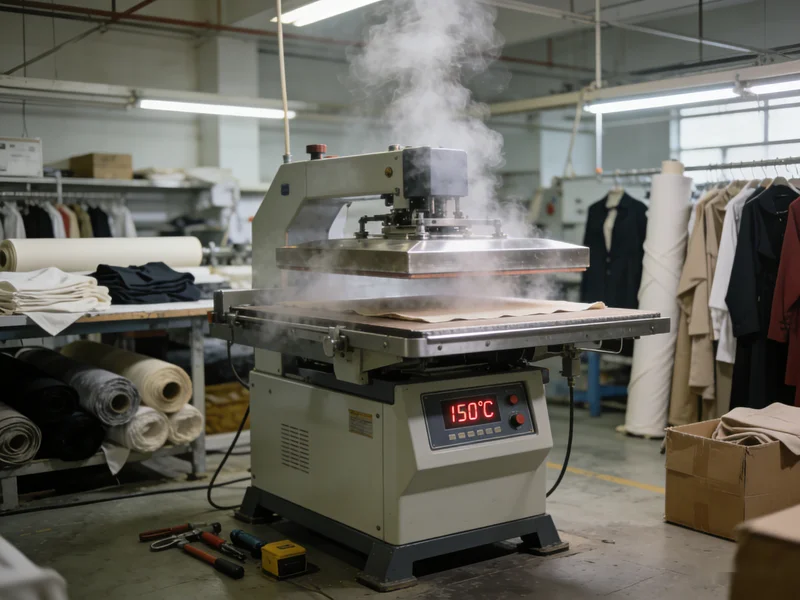
Not long ago, we received an inquiry from a client who wanted to customize a batch of PVC patches (3D

The role of patch trade shows is evolving from on-site supplier discovery to trust validation. Today, most buyers pre-screen patch
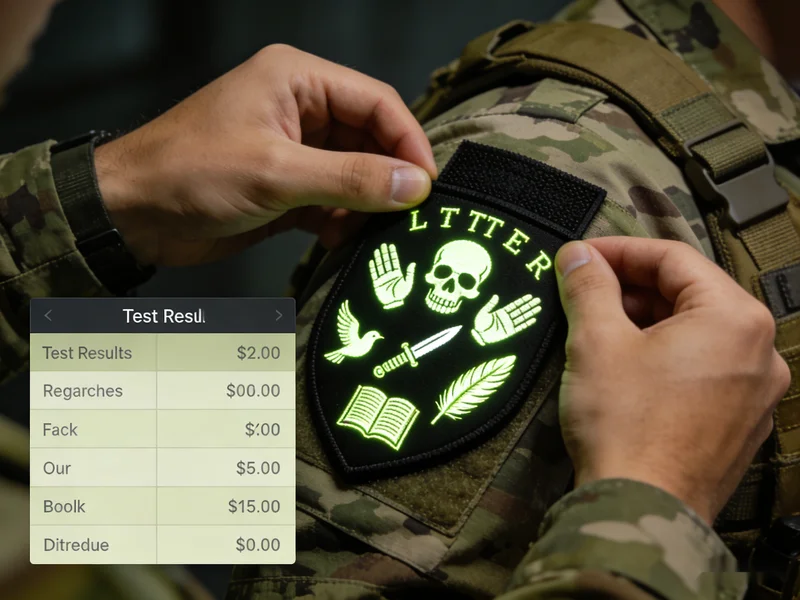
A luminous screen-printed silicone patch is made by layering glow-in-the-dark silicone ink with standard silicone through controlled screen printing. Only
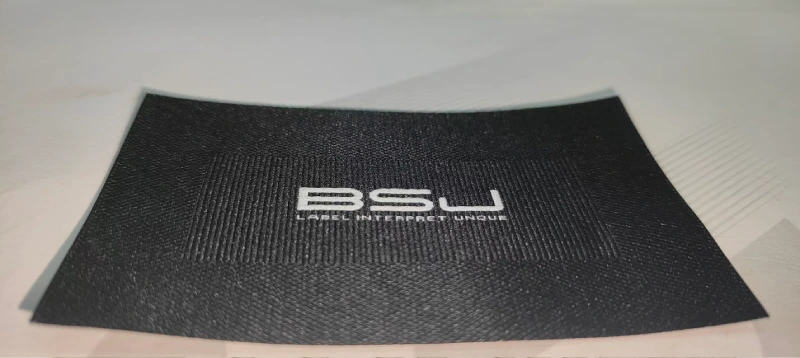
Double shuttle weaving is recommended when woven labels require a heavier texture, stronger structure, and more pronounced visual depth. By

A Distressed Kraft Paper Hangtag with secondary printing requires precise material selection, multi-step color matching, and customized printing plates. When