Why Understanding Embroidered Patch Limitations Matters
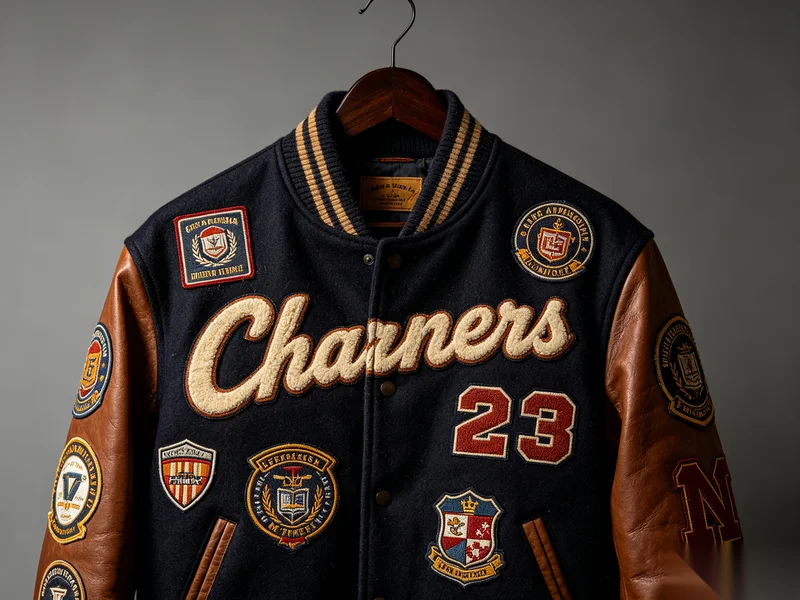
Embroidered patches—especially chenille embroidery patches—are loved for their bold texture, soft hand feel, and strong visual impact. They are widely used on sportswear, hoodies, jackets, varsity styles, and retro-inspired apparel.
However, the same characteristics that make chenille embroidery attractive also create clear design and production limitations.
From our real production experience, many issues arise not during manufacturing—but much earlier, at the design stage, when the process constraints are not fully considered. Below are the most common and often overlooked limitations of embroidered patches.
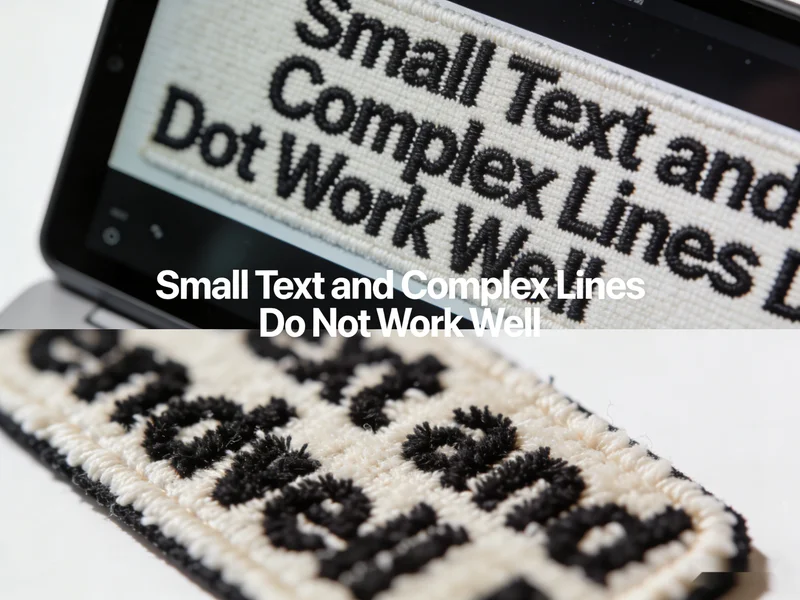
1. Small Text and Complex Lines Do Not Work Well
Chenille embroidery is built on looped yarn structures, which are naturally thicker than standard embroidery stitches. Because of this:
- Very small text (generally under 5–6 mm) cannot be rendered clearly
- Fine or highly detailed lines tend to merge together
- Letter edges lack the sharp definition seen in flat embroidery
As a result, designs that look perfect on screen may appear blurred or “muddy” in real production.
Recommendation:
Use bold fonts, simplified logos, and block-style graphics. If small text is required, consider combining chenille with flat embroidery or printing for better clarity.
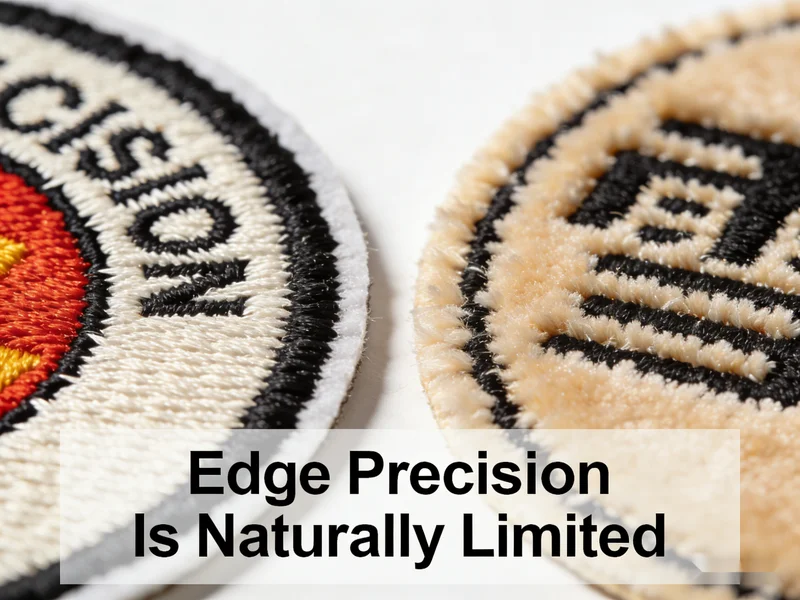
2. Edge Precision Is Naturally Limited
Unlike traditional embroidery, chenille focuses on volume rather than precision.
In practice:
- Edges appear softer and more rounded
- Ultra-sharp outlines or “knife-edge” effects are not achievable
- Geometric shapes and sharp corners require structural adjustment
Designs that rely heavily on crisp outlines may lose their intended impact.
Recommendation:
Allow visual tolerance in the design stage. Avoid depending on micro-details to communicate brand identity—let shape and proportion do the work.
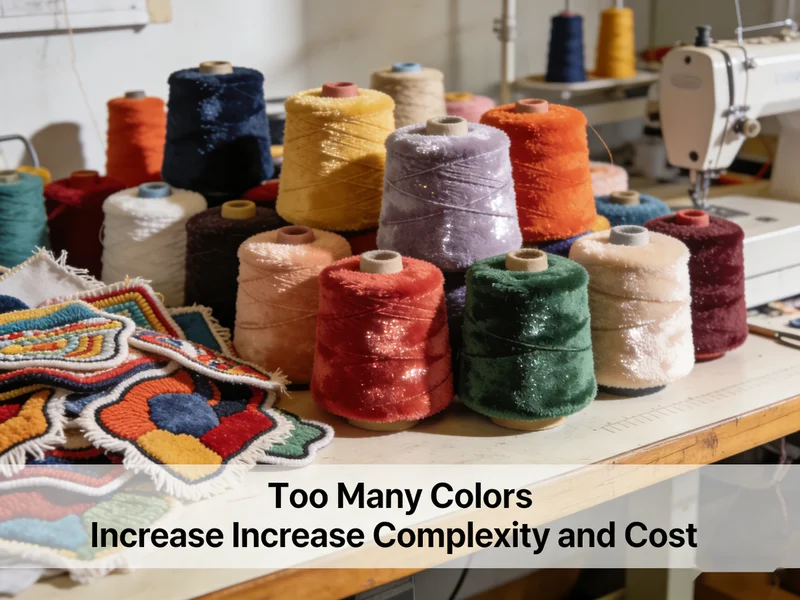
3. Too Many Colors Increase Complexity and Cost
Chenille yarns are thick, and every additional color means:
- More thread changes
- Lower production efficiency
- Higher labor and machine costs
- Increased risk of visual clutter at color boundaries
Excessive color use can compromise both cost control and final appearance.
Recommendation:
Chenille embroidery works best with 2–4 main colors, using large color blocks to create depth and contrast instead of complex color transitions.
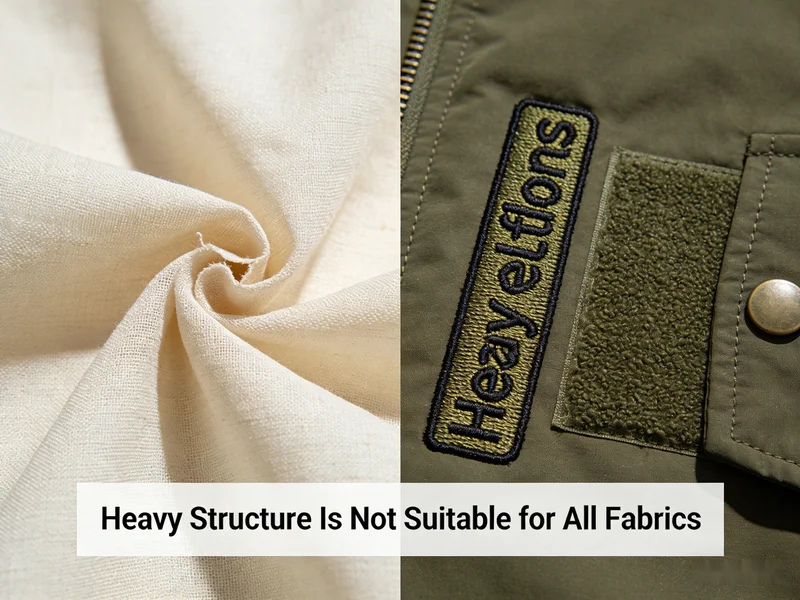
4. Heavy Structure Is Not Suitable for All Fabrics
Chenille patches have noticeable weight and thickness, which makes them unsuitable for certain applications.
Potential issues include:
- Fabric pulling or distortion on lightweight materials
- Reduced drape and comfort on thin or elastic fabrics
- Overpowering appearance when used in large areas
Recommendation:
Best suited for hoodies, varsity jackets, outerwear, and thick knits. Control the patch size relative to the garment to maintain balance and wearability.
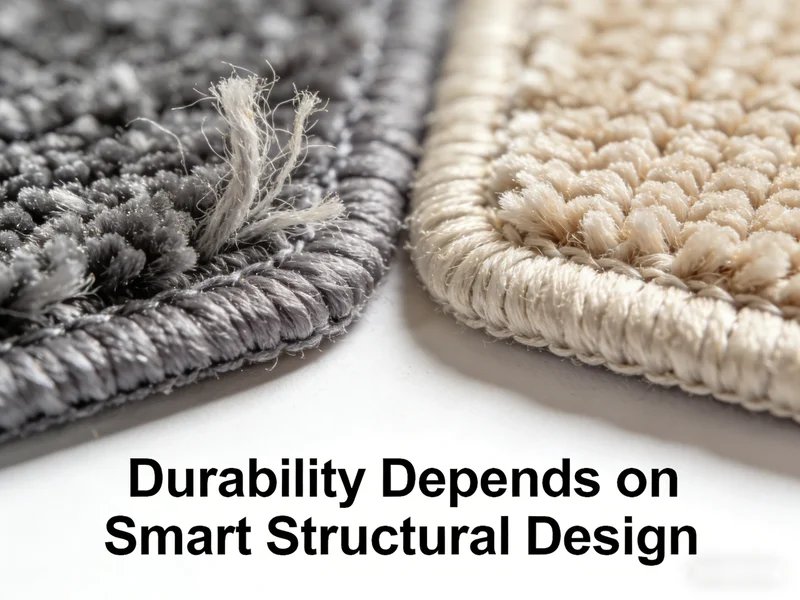
5. Durability Depends on Smart Structural Design
If a chenille patch includes:
- Long floating loops
- Excessively raised yarn
- Loose stitch density
It becomes more vulnerable to:
- Snagging during wear
- Friction damage
- Wear and loosening after repeated washing
Recommendation:
Improve durability through proper stitch density, reinforced base embroidery, or by adding a felt backing to stabilize the structure and extend product life.
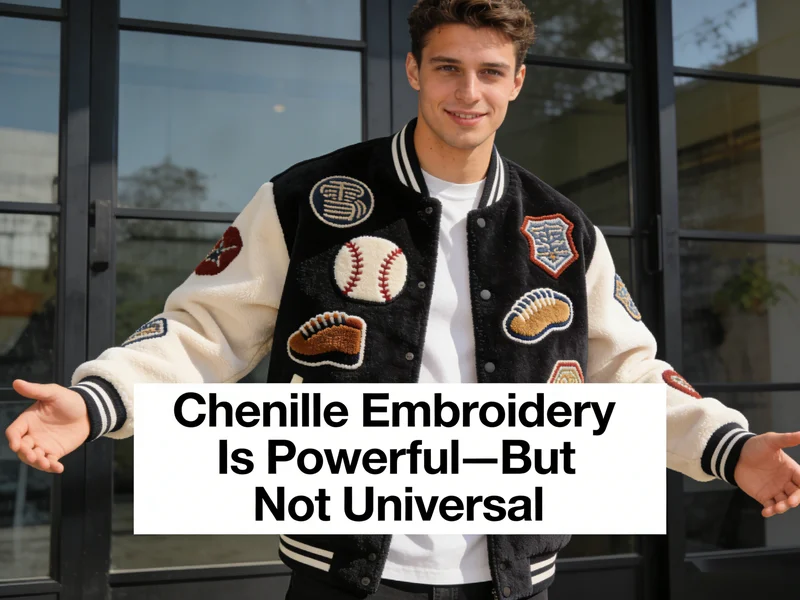
Chenille Embroidery Is Powerful—But Not Universal
Chenille embroidery is not a technique that fits every design, but when used correctly, it delivers unmatched texture, warmth, and visual memory.
Professional execution is not about forcing a design into production—it’s about:
- Understanding the process
- Respecting its limitations
- Using its strengths to elevate brand expression
The best results always come from designing with the technique in mind, not adapting the technique to rescue an unsuitable design.
If you’re developing embroidered patches and want to avoid redesigns, production delays, or unexpected compromises, aligning design decisions with embroidery realities from the start makes all the difference.
About Author
——————————————————————————————————————————————

Heidi
Sales Manager
Hi, I’m Heidi, Sales Manager. Known for professionalism and efficiency, I am often recognized as the top sales performer. I believe expertise and dedication build lasting trust with clients.
——————————————————————————————————————————————