A Common Question from Apparel Brands
A customer once asked us a very practical question:
“For injection-molded apparel accessories, what’s the real difference between TPU and TPR?”
On paper, both TPU and TPR are flexible, rubber-like materials. But in real clothing usage scenarios, especially for accessories such as rubber patches, decorative elements, functional labels, and anti-slip components, their performance over time is very different.
From our production and after-sales experience, TPU is generally the safer and more stable apparel-grade choice, while TPR can work—but with higher risks.
If a brand is sensitive to washing durability, appearance aging, product lifespan, or customer complaints, TPU is almost always the default recommendation.
1. Performance in Real Washing and Wearing Conditions
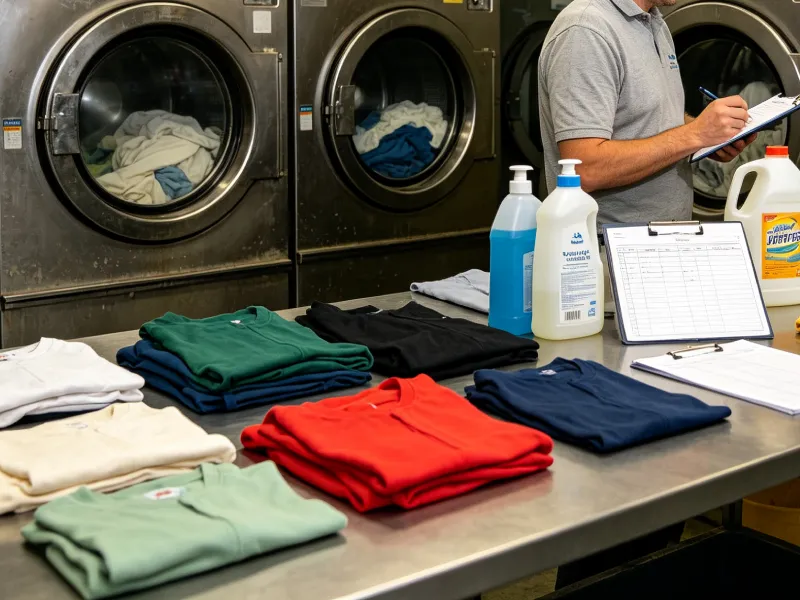
Clothing accessories inevitably face:
- Repeated washing
- Friction and stretching
- Exposure to sweat and detergents
TPU maintains elasticity after repeated washes, with a stable surface that does not deform, soften excessively, or become sticky.
TPR, on the other hand, tends to:
- Fatigue after multiple wash cycles
- Lose elasticity over time
- Become soft or tacky on the surface
The performance gap becomes increasingly obvious with long-term use.

2. Appearance Retention Over Time
From a visual standpoint:
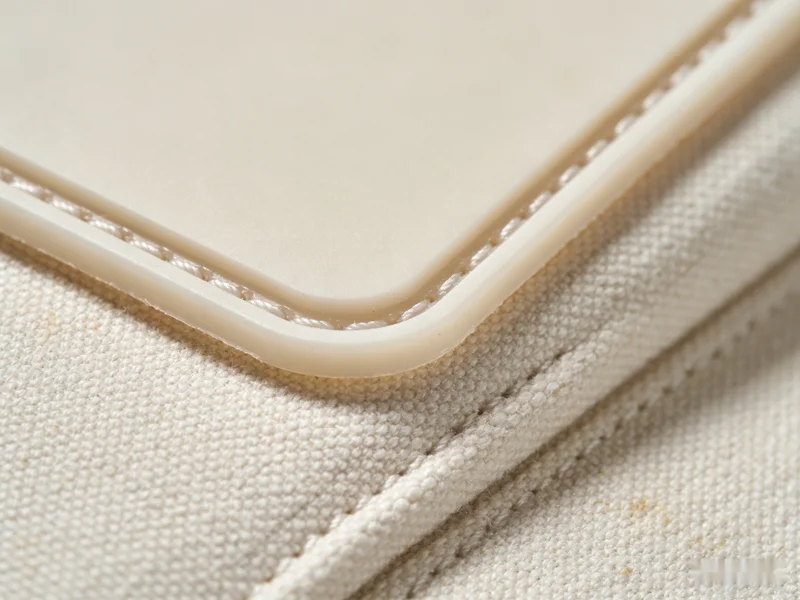
- TPU keeps sharp edges and clear details
- Raised logos remain defined
- Surfaces age slowly and evenly
- TPR edges are more likely to round off
- Embossed logos lose definition
- The product looks “worn out” faster
For brands that care about long-term visual consistency, this difference is critical.
3. Fabric Compatibility and Migration Risk
In apparel applications, material compatibility with fabric is non-negotiable.
TPU advantages:
- Compatible with cotton, polyester, nylon, and stretch fabrics
- Low risk of oil migration
- Does not stain or contaminate fabric surfaces
TPR risks:
- Some formulations contain oils
- In high heat or humid conditions, migration can occur
- Potential to stain or damage surrounding fabric
This is especially risky for light-colored or premium garments.
4. Adhesion and Bonding Stability
For patches with backing glue or composite structures:
- TPU is non-oily
- Stable adhesion
- High peel strength
- Clean bonding edges
- TPR may interfere with adhesives
- Long-term bonding strength can decline
- Risk of edge lifting or delamination
This directly affects durability and return rates.
5. Brand Risk and Compliance Considerations
From a compliance and brand responsibility perspective:
TPU:
- Easier to meet PVC-free, REACH, Prop 65, and PFAS-free requirements
- Clear material traceability
- Easier to explain and justify in audits
TPR:
- Highly dependent on formulation
- Risk profile is less transparent
- Requires stronger supplier control and testing
For international brands, TPU offers significantly lower compliance risk.
When Can TPR Still Be Used?
TPR is not entirely unusable, but it is more suitable only under specific conditions:
- Purely decorative use
- Thicker parts with low deformation demand
- Infrequent washing
- Non-skin-contact areas
- Non-premium or short-life products
Even then, a mature and stable formulation is essential to avoid performance issues.
Final Recommendation
In real apparel usage—not just material datasheets—TPU consistently proves to be the more reliable, durable, and brand-safe option for clothing accessories.
TPR can work, but it requires compromises, careful formulation control, and acceptance of higher long-term risk.
For brands aiming to reduce complaints, maintain appearance, and protect brand reputation, TPU is almost always the smarter choice.
If you’re evaluating materials for rubber patches or functional apparel components, discussing real usage conditions upfront can save significant cost and trouble later in production.
About Author
——————————————————————————————————————————————

Mary
Sales Manager
Hi, I’m Mary. Passionate about exploring new industry trends, I stay ahead of the curve and offer clients forward-thinking solutions tailored to their needs.
——————————————————————————————————————————————