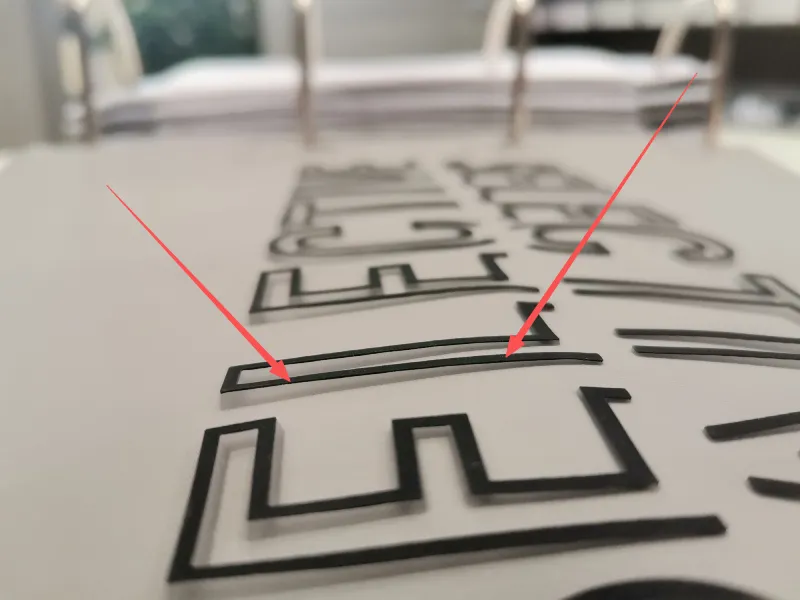
Fine Line Silicone Logos: Is Screen Printing Always the Best Choice?
When you see a silicone logo with very fine lines and detailed artwork, screen printing silicone may seem like the
When you see a silicone logo with very fine lines and detailed artwork, screen printing silicone may seem like the
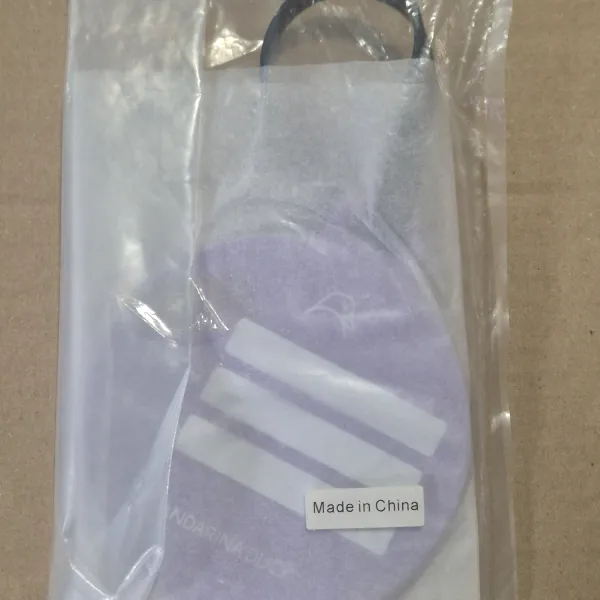
A repeat order is not just about reproducing the same product. Packaging, labeling, and individual packing requirements are equally important
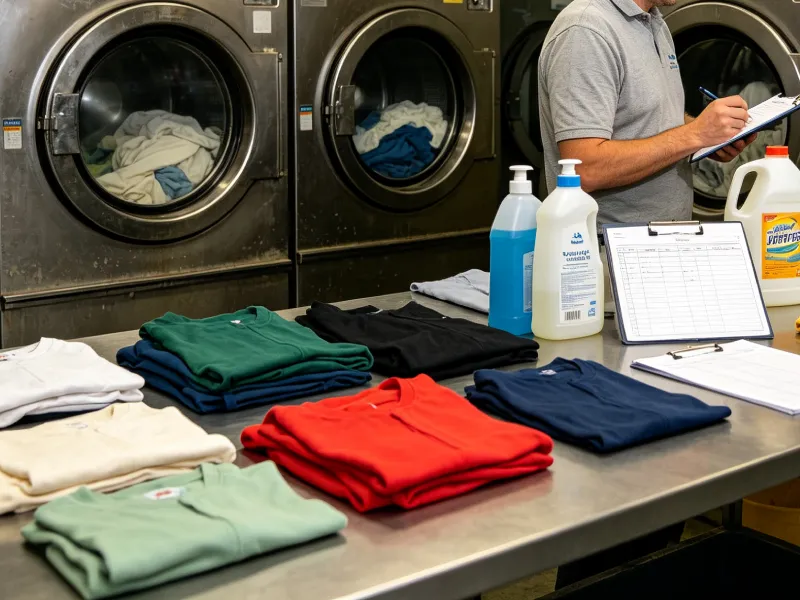
For custom patches and heat-applied apparel trims, a wash-resistance test may seem like a simple quality check. However, once a
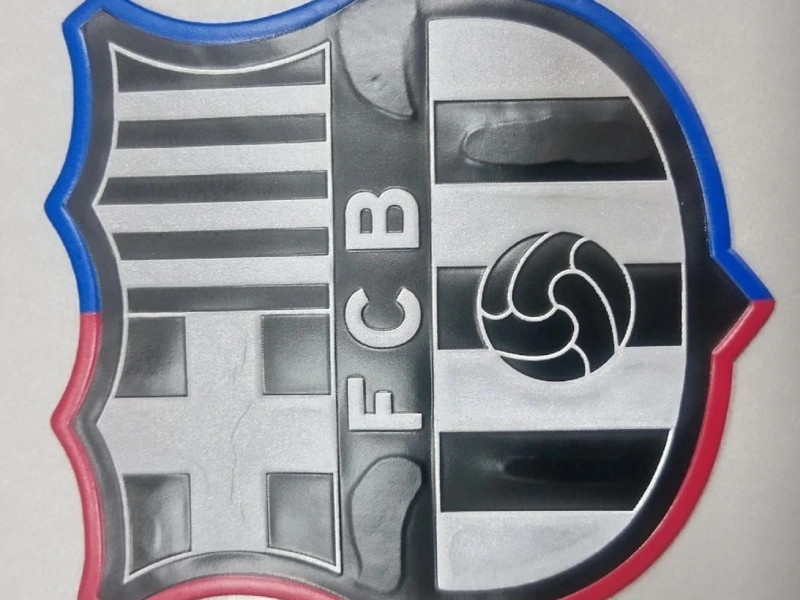
When developing a TPU heat transfer label, we do not simply recommend a random temperature or pressing time. Before a
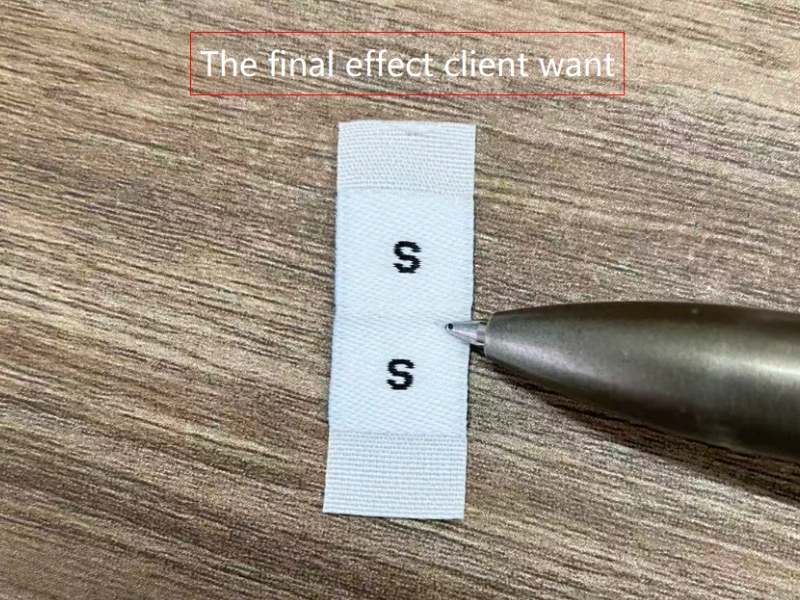
The project was urgent. The deadline was tight. And they had already sent us all the files we needed. Or
When developing fleece-based apparel trims or textile products, sublimation printing on fleece can create vibrant and detailed graphics. However, fleece
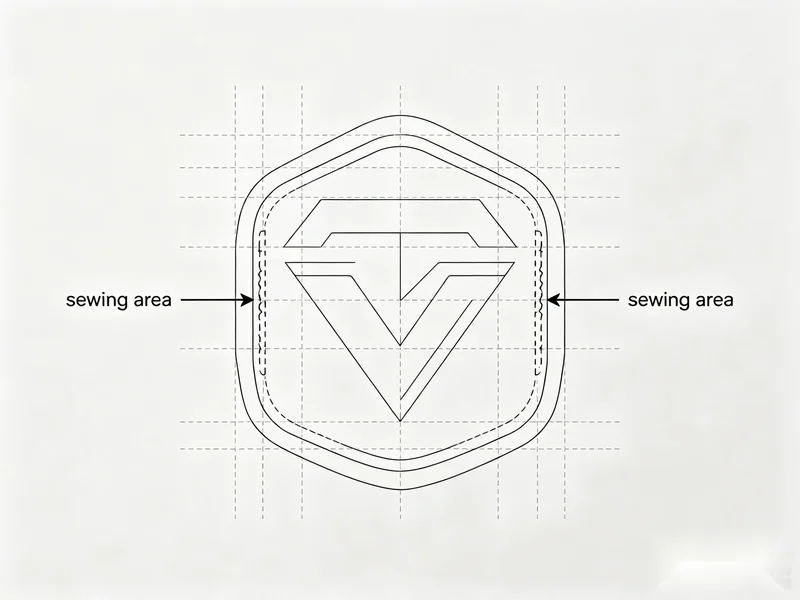
When developing custom sew-on silicone badges, most brands focus on logo appearance, color, and 3D effects. However, many production issues
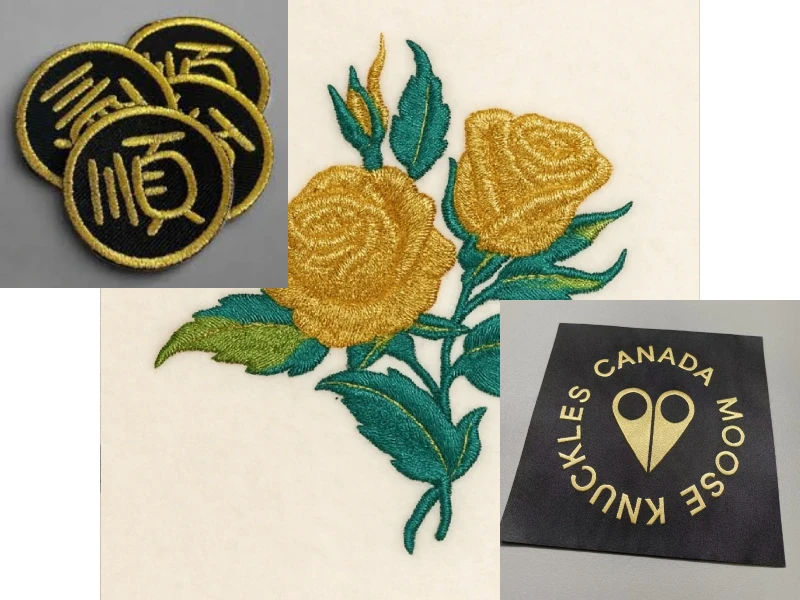
To create metallic effects in gold woven labels, manufacturers typically use three methods: metallic yarn weaving, shiny polyester yarn simulation,

Silicone patches have a naturally low surface energy, which makes them resistant to inks and adhesives. This means processes like
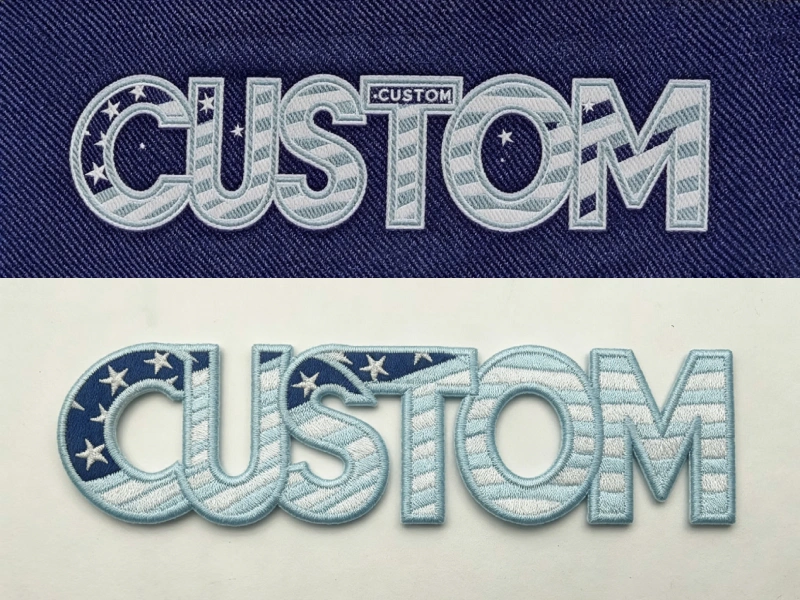
In woven label design selection, choosing between with background and without background depends on your priorities. Labels with background offer

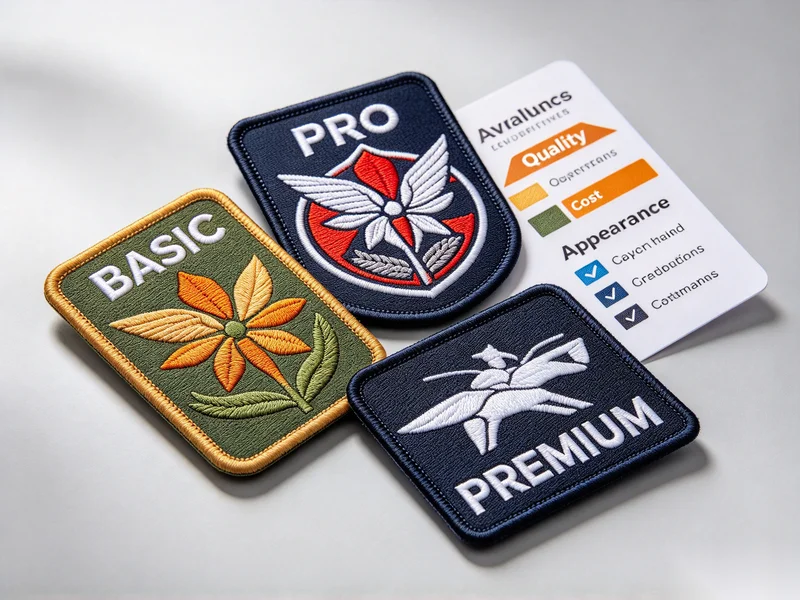
The most common finishing processes for patches include sew-on, heat transfer, adhesive backing, Velcro, fabric backing, and pin attachment. Each

Yes, High Frequency Embossed Patch technology can be used to produce golf ball marker–style products with embedded magnets, precise thickness