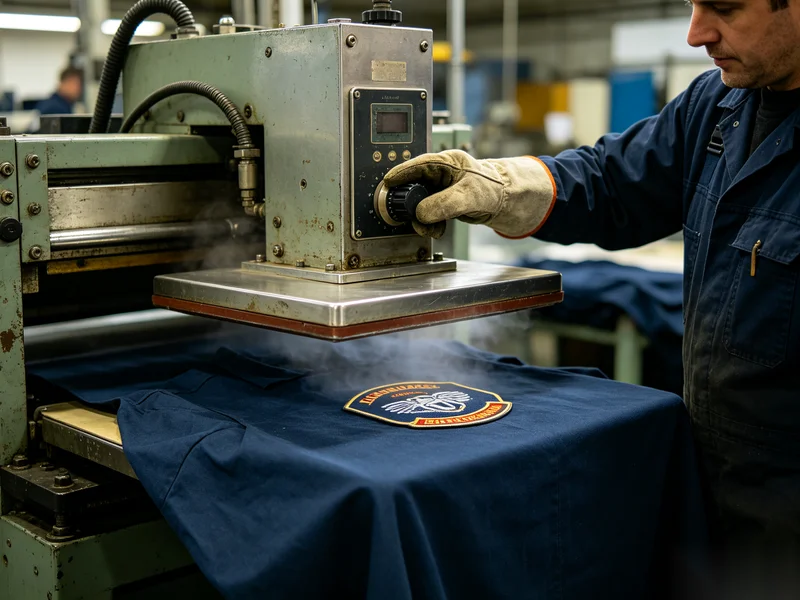
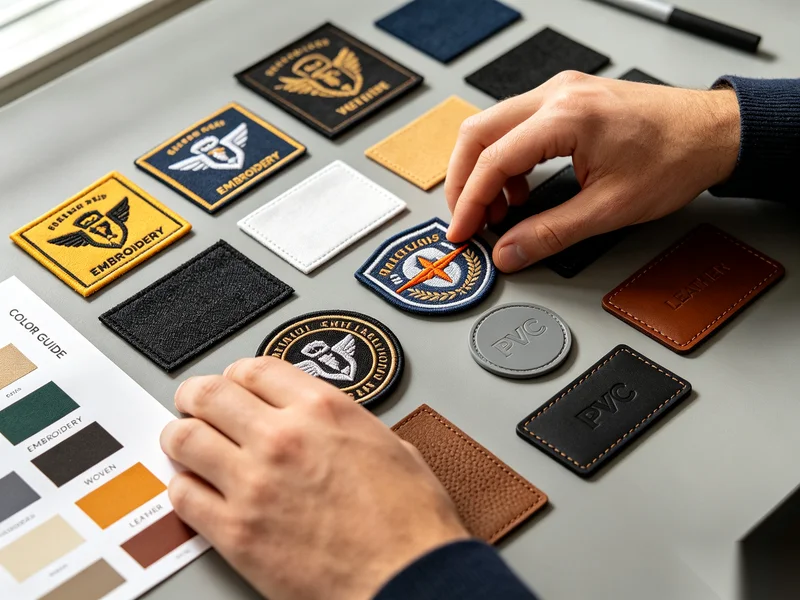
Silicone patches have a naturally low surface energy, which makes them resistant to inks and adhesives. This means processes like heat transfer printing cannot bond properly, leading to peeling, fading, or complete failure over time. For stable results, alternative solutions like multi-color silicone molding or TPU-based printing are recommended.
Why Does Silicone “Not Stick” to Anything?
Short Answer:
Because silicone is a smooth, non-stick material that resists adhesion.
You can think of silicone as a “slippery surface”:
- Smooth and soft to the touch
- Resistant to dust and contamination
- But also resistant to inks and coatings
👉 This is why silicone is widely used in non-stick applications.

Why Does Heat Transfer Fail on Silicone Patches?
Short Answer:
Because heat transfer relies on adhesion—and silicone prevents proper bonding.
How Heat Transfer Works
- Ink or film is pressed onto a surface
- Heat activates adhesive bonding
👉 But if the material itself resists adhesion:
Nothing truly “sticks.”
What Happens If You Still Try to Print on Silicone?
Short Answer:
It may look fine initially—but it will fail in real use.
Common Problems
- Peels off when rubbed
- Fades after washing
- Cracks or detaches over time
👉 In short:
Unstable and unreliable for production
Why Do Many Designs Start This Way?
Short Answer:
Because visually it looks achievable—but technically it is not.
Key Misunderstanding
- Designers focus on appearance
- Production depends on material compatibility
👉 Important principle:
- Good-looking ≠ manufacturable
- Manufacturable = reliable solution
What Are Better Alternatives to Silicone Printing?
Short Answer:
Use processes that are compatible with silicone or switch materials.
Recommended Solutions
1. Multi-Color Silicone Molding
- Build colors in layers during molding
- No printing required
- Durable and long-lasting
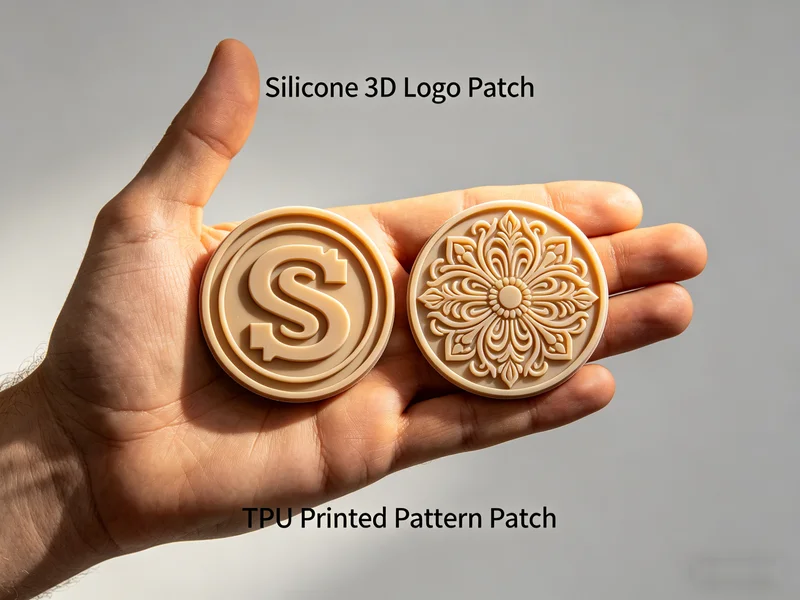
2. Switch to TPU + Heat Transfer
- TPU allows strong ink adhesion
- Supports detailed graphics and gradients
- Suitable for high-resolution designs
3. Mold the Details Directly
- Add textures, logos, and patterns during mold creation
- Creates permanent 3D effects
- No risk of peeling or fading

When Should You Avoid Silicone for Graphic Detail?
Short Answer:
Avoid silicone when your design requires fine printed details or multi-color gradients.
Not Suitable For:
- Complex graphics
- High-resolution printing
- Gradient effects
👉 Better suited for:
- Solid colors
- 3D logos
- Durable branding elements
What Is the Key Lesson for B2B Buyers?
Short Answer:
Material compatibility is more important than visual preference.
Professional Insight
In patch manufacturing:
- Wrong process choice → product failure
- Correct material-process match → stable mass production
👉 Especially for silicone patches:
Design must follow material rules
Conclusion
Silicone patches are excellent for durability and 3D effects—but not for printing or heat transfer.
If you try to force incompatible processes, the result will not last.
👉 The right approach is to:
- Use silicone for molded designs
- Use TPU for printed graphics
- Or combine techniques for the best result
In production, the best solution is not what looks possible—it’s what works reliably.
About Author
——————————————————————————————————————————————

Heidi
Sales Manager
Hi, I’m Heidi, Sales Manager. Known for professionalism and efficiency, I am often recognized as the top sales performer. I believe expertise and dedication build lasting trust with clients.
——————————————————————————————————————————————