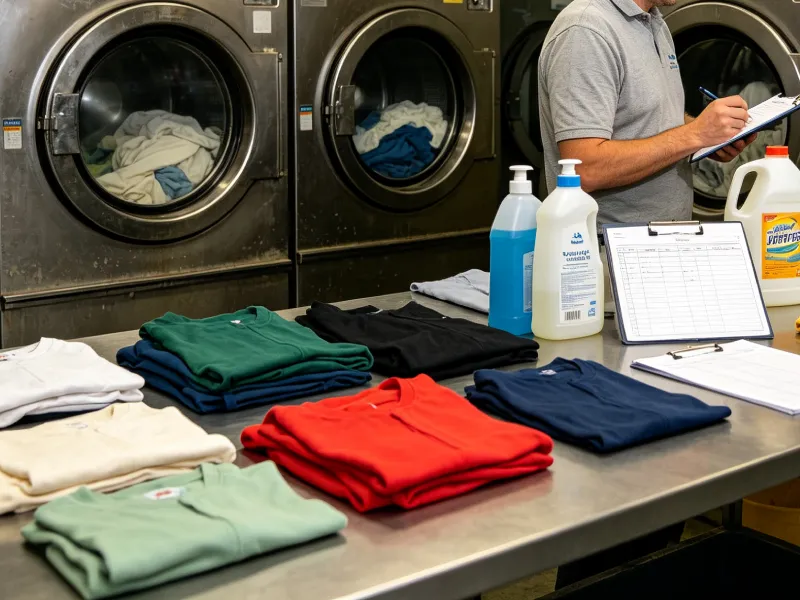
Important Factors Often Overlooked in the Wash-Resistance Test for Custom Patches
For custom patches and heat-applied apparel trims, a wash-resistance test may seem like a simple quality check. However, once a
For custom patches and heat-applied apparel trims, a wash-resistance test may seem like a simple quality check. However, once a
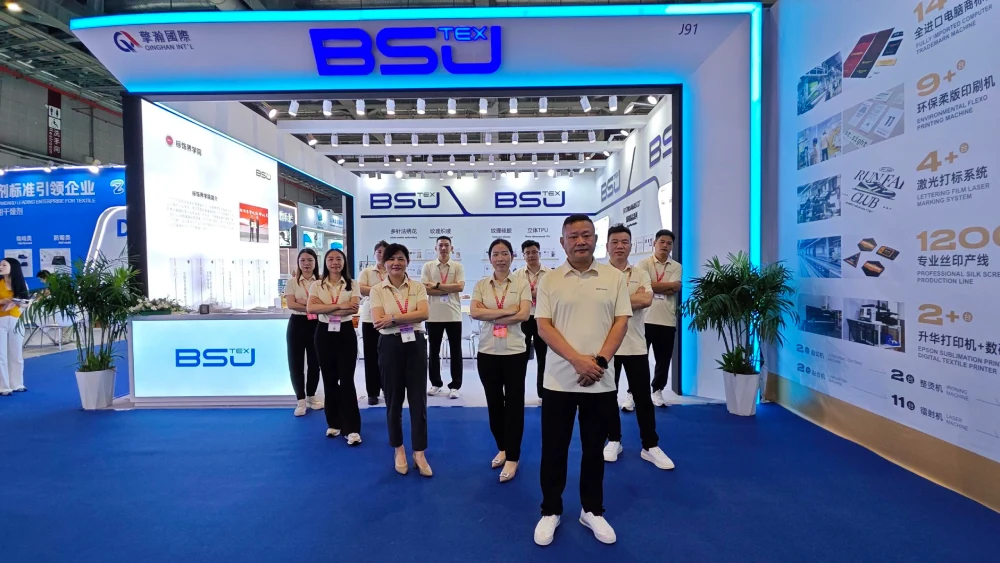
From August 25 to 27, the 2026 China International Trade Fair for Apparel Fabrics and Accessories (Autumn Edition) was successfully
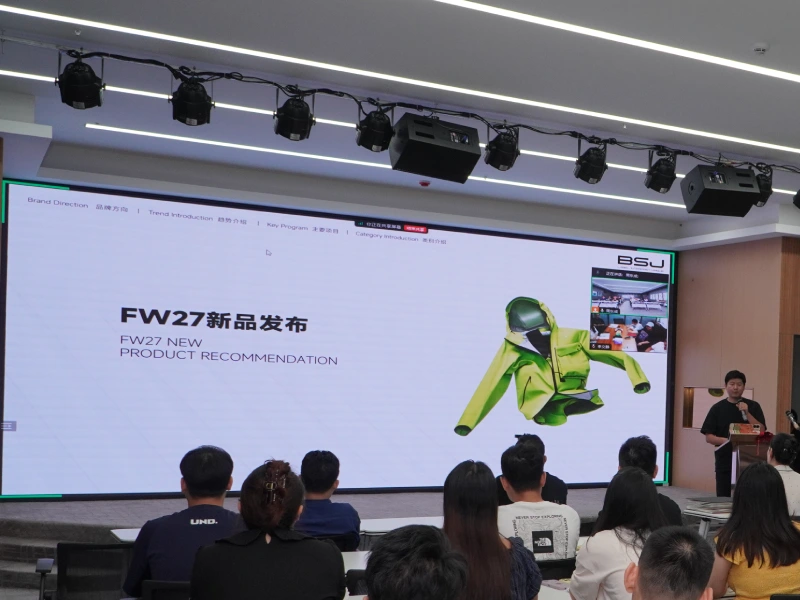
New product development is not simply about adding a few new products to a catalog. It is about exploring how
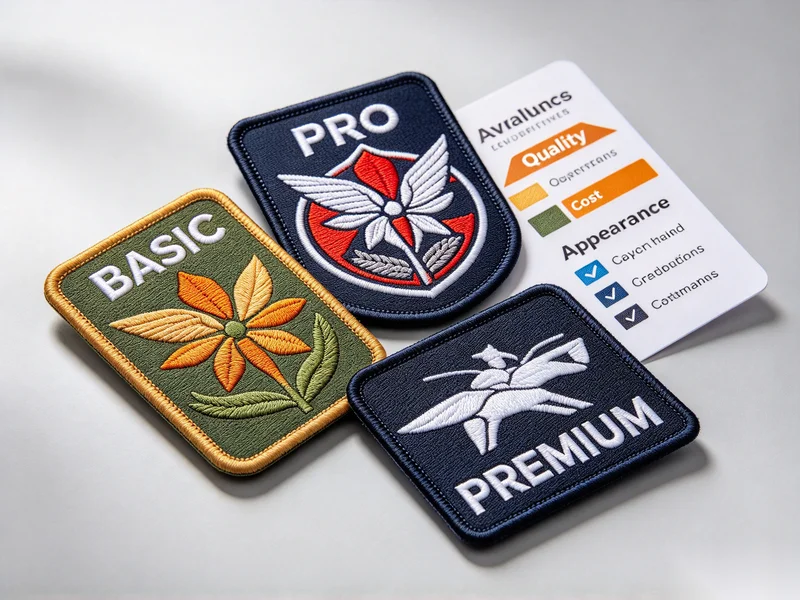
Many customers encounter a common question when developing custom apparel trims: Why do woven labels and embroidery look slightly different
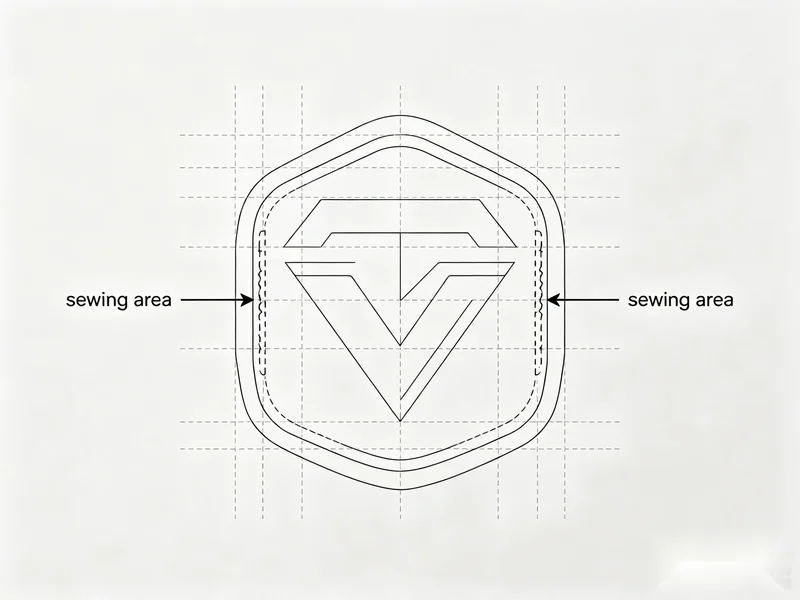
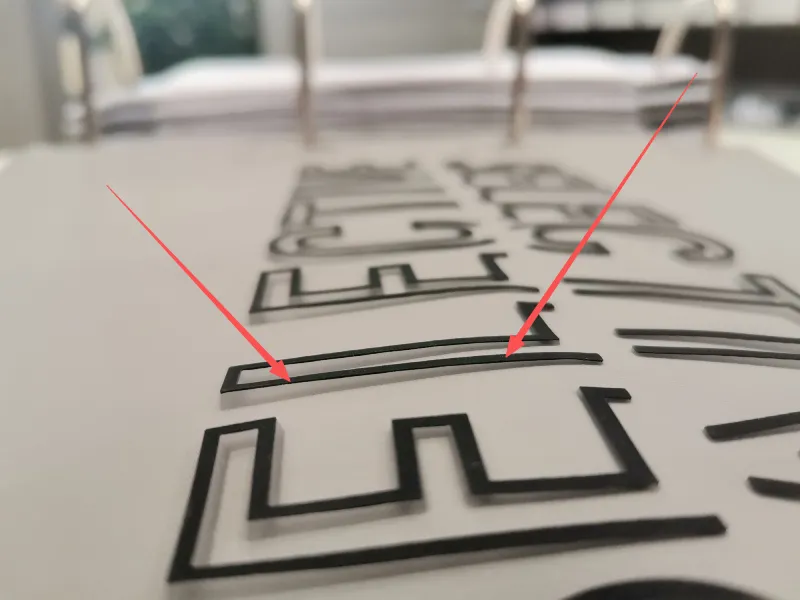
When developing custom sew-on silicone badges, most brands focus on logo appearance, color, and 3D effects. However, many production issues
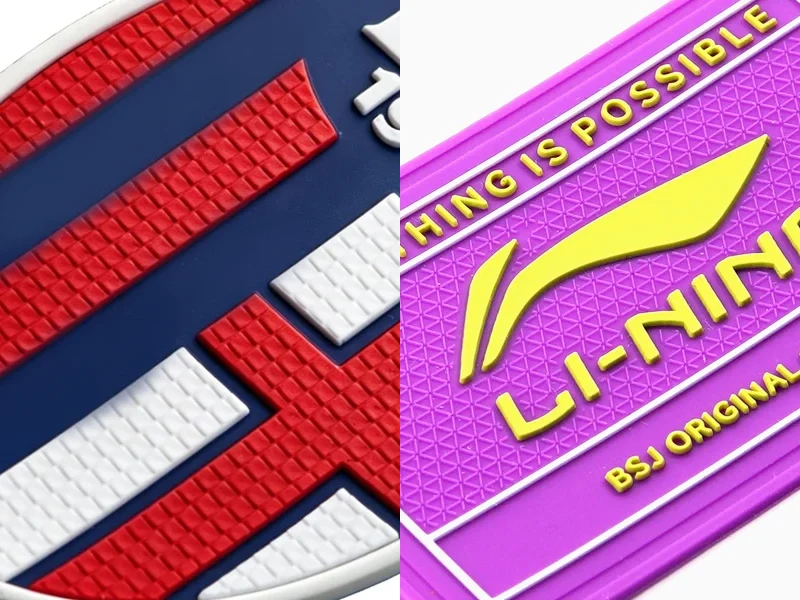
When manufacturing 3D silicone patches, the mold-making method directly affects the final appearance, detail resolution, production cost, and brand presentation.

When wash durability is the top priority, silicone patches generally outperform TPU patches. Silicone patches can withstand 50–100+ wash cycles
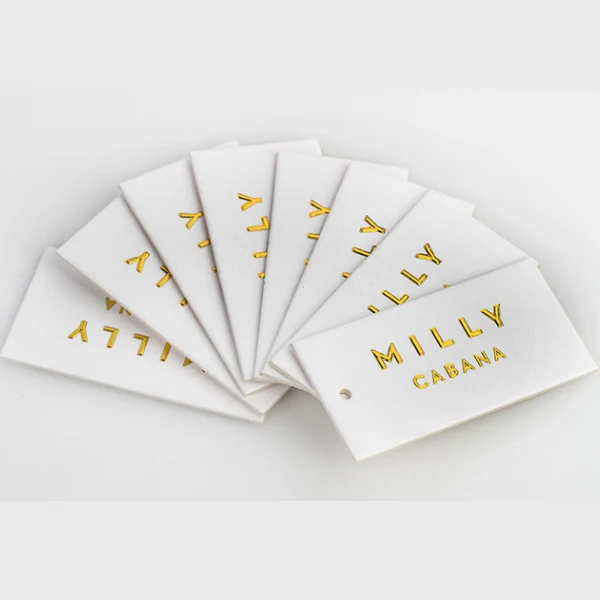
The three most common methods for displaying a brand logo hangtag are Direct Printing, Embossing/Debossing, and Foil Stamping. Each technique
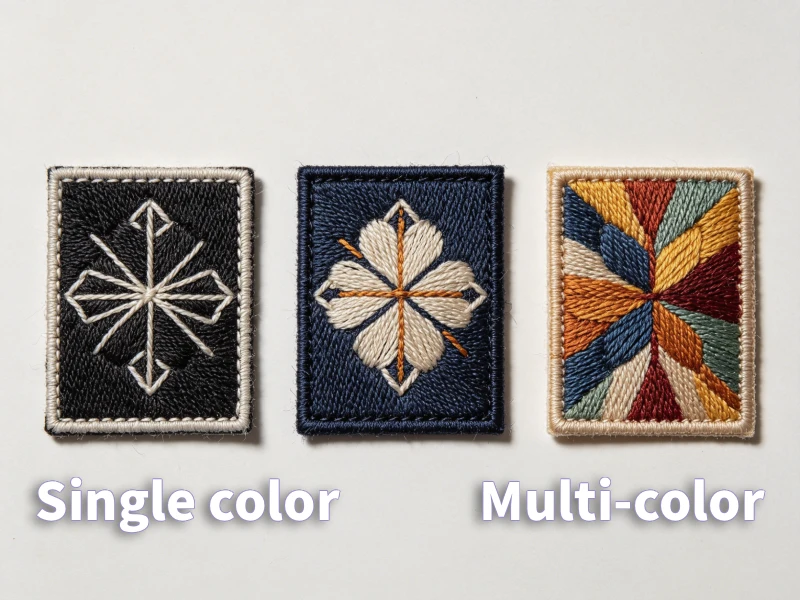
Patch pricing depends on several key factors, including size, number of colors, embroidery coverage, backing type, production method, mold fees,
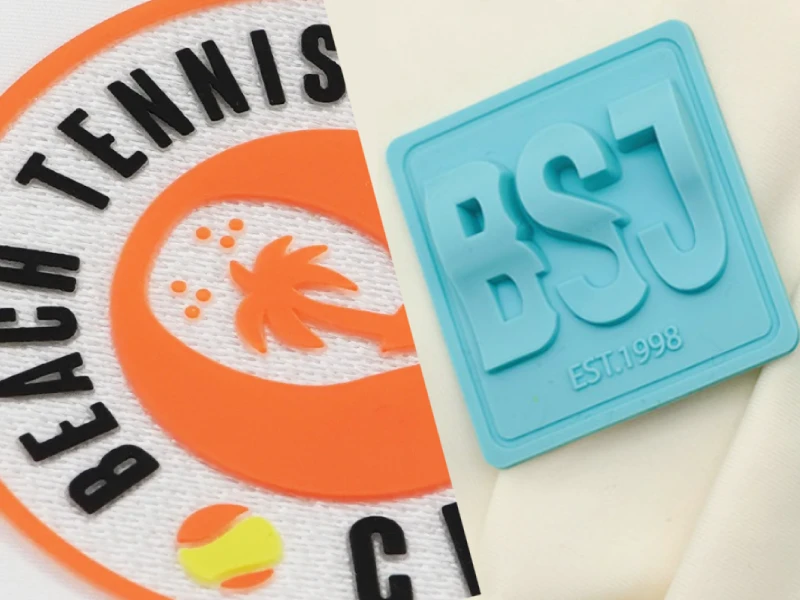
In apparel patches, Screen Printing Silicone vs Mold Silicone differs mainly in production method, 3D effect, cost structure, and scalability.
Tyvek paper for printing is a high-performance HDPE-based nonwoven material developed by DuPont. It combines the characteristics of paper, fabric,

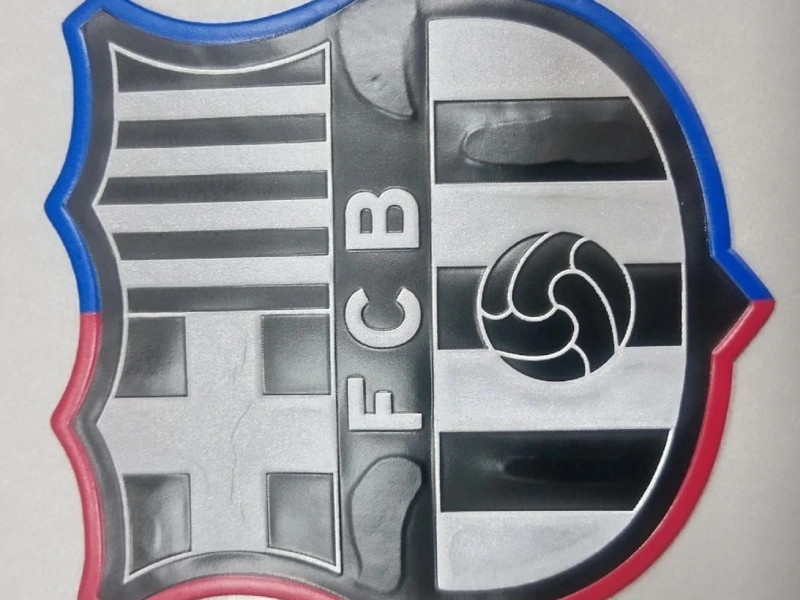
Do you really know all these facts about FCB? Founded in 1899 by a group of Swiss, Catalan, German, and