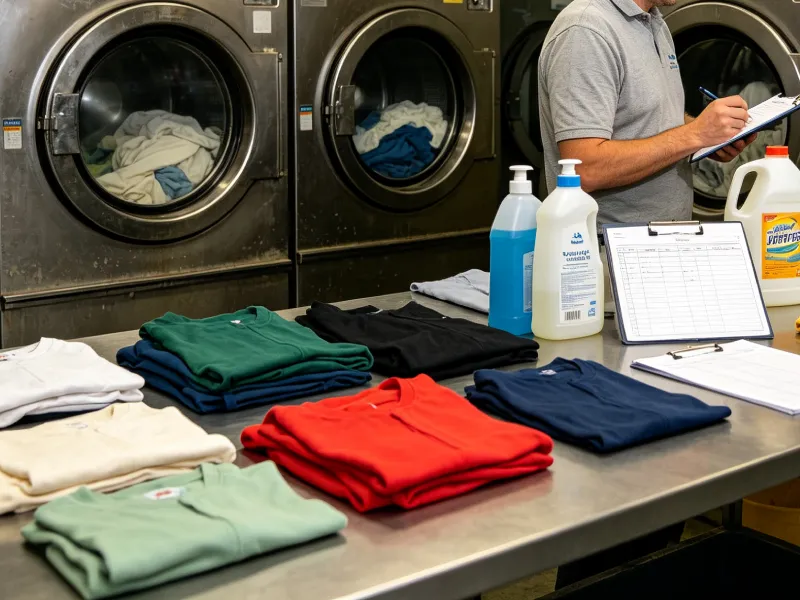
When wash durability is the top priority, silicone patches generally outperform TPU patches. Silicone patches can withstand 50–100+ wash cycles while maintaining flexibility, appearance, and adhesion. TPU patches offer superior abrasion resistance but may experience edge lifting, hardening, or discoloration after repeated washing, especially under high-temperature conditions.
TPU vs Silicone Patches Washing Test Results
One of the most common questions apparel brands ask is:
“Which lasts longer after repeated washing: TPU or silicone patches?”
Based on industry washing tests under standard conditions (40°C water, mild detergent, garment turned inside out), silicone patches typically show better long-term durability and environmental resistance, while TPU patches excel in scratch and abrasion resistance.

1. Wash Cycle Durability
Silicone Patches
Silicone patches are designed to remain flexible and stable after repeated laundering.
Typical performance:
- 50–100+ wash cycles without cracking
- No delamination or peeling
- Excellent elasticity recovery
- Maintains soft-touch feel
- Minimal appearance changes
Even after repeated stretching and washing, silicone patches generally return to their original shape.
TPU Patches
Wash performance depends heavily on material quality.
Typical performance:
- Premium TPU: 50+ wash cycles
- Standard TPU: 10–30 wash cycles before visible wear
Common signs of aging include:
- Edge lifting
- Reduced gloss
- Hardening of material
- Adhesive deterioration
For garments that require frequent washing, silicone often delivers more consistent long-term results.

2. Heat Resistance and Laundry Conditions
Silicone Patches
Silicone offers exceptional temperature stability.
Key advantages:
- Operating range: -40°C to 200°C
- Resistant to hot-water washing
- Suitable for 60–90°C laundering and tumble drying
- Excellent resistance to sweat, detergents, and bleach exposure
These characteristics make silicone ideal for demanding industrial and outdoor applications.
TPU Patches
TPU performs well under normal conditions but is more sensitive to heat.
Potential limitations:
- Long-term exposure above 45°C may accelerate aging
- More susceptible to hydrolysis
- Higher risk of yellowing
- Not recommended for high-temperature drying
- Sweat and heat can weaken adhesive bonding over time
3. UV Resistance and Long-Term Aging
Silicone Patches
Silicone is highly resistant to UV exposure and weathering.
Benefits include:
- Excellent UV stability
- Minimal yellowing
- Strong crack resistance
- Outstanding outdoor durability
Even after prolonged sun exposure and repeated washing, silicone maintains its appearance and flexibility.
TPU Patches
TPU generally has lower UV resistance.
Potential issues include:
- Yellowing over time
- Increased brittleness
- Reduced strength after prolonged outdoor exposure
- Faster aging under combined UV and washing conditions
For outdoor uniforms and workwear, silicone is usually the more durable option.

4. Abrasion and Scratch Resistance
TPU Patches
This is where TPU has a clear advantage.
Benefits include:
- Higher surface hardness
- Better abrasion resistance
- Superior scratch resistance
- Stronger performance in high-friction areas
Ideal applications:
- Backpacks
- Ski jackets
- Outdoor equipment
- Tactical gear
- Workwear
Silicone Patches
Silicone offers excellent flexibility but is softer.
Potential drawbacks:
- Easier to scratch
- More vulnerable to sharp objects
- Surface marks may appear more easily
However, silicone remains extremely comfortable and flexible for apparel applications.
TPU vs Silicone Patches Comparison
| Feature | Silicone Patch | TPU Patch |
|---|---|---|
| Wash Durability | Excellent | Very Good |
| Typical Wash Cycles | 50–100+ | 10–50+ |
| Heat Resistance | Excellent | Moderate |
| UV Resistance | Excellent | Moderate |
| Anti-Yellowing | Excellent | Moderate |
| Flexibility | Excellent | Very Good |
| Soft Touch Feel | Excellent | Good |
| Abrasion Resistance | Good | Excellent |
| Scratch Resistance | Good | Excellent |
| Outdoor Longevity | Excellent | Good |
| Cost | Higher | Lower |
How to Choose Between TPU and Silicone Patches
Choose Silicone Patches If You Need:
✅ Maximum wash durability
✅ High-temperature laundering resistance
✅ UV and weather resistance
✅ Long-term outdoor performance
✅ School uniforms
✅ Workwear
✅ Outdoor apparel
✅ Premium soft-touch branding
Silicone is often the best option when durability across washing, temperature, and aging is the primary concern.
Choose TPU Patches If You Need:
✅ Better scratch resistance
✅ Higher abrasion resistance
✅ Backpack branding
✅ Ski wear and outerwear
✅ High-friction applications
✅ Modern 3D logo appearance
✅ Lower production costs
TPU performs particularly well in environments where physical wear is more challenging than repeated laundering.
FAQ
Which patch survives more washes?
Silicone patches generally withstand more wash cycles and maintain their appearance longer than TPU patches.
Does TPU become harder after repeated washing?
Lower-quality TPU materials may gradually harden, lose gloss, or experience edge lifting after repeated wash cycles.
Which patch is better for outdoor uniforms?
Silicone patches are usually preferred because of their superior UV resistance, heat stability, and weather durability.
Which patch is better for backpacks?
TPU patches are often the better choice due to their excellent abrasion and scratch resistance.
Is silicone more expensive than TPU?
In many cases, yes. Silicone patches typically have higher material and manufacturing costs.
Which patch is best for sportswear?
For lightweight performance branding, both can work well. For frequent washing and long-term durability, silicone generally has the advantage.
Final Verdict
When evaluating TPU vs Silicone Patches Washing Test results, silicone patches are the clear winner for wash durability, heat resistance, UV stability, and long-term aging performance. They are ideal for uniforms, outdoor apparel, and products that undergo frequent laundering.
However, TPU patches outperform silicone in abrasion resistance, scratch resistance, and cost efficiency, making them a strong choice for backpacks, outerwear, and high-friction applications.
In short:
- Choose Silicone for maximum durability and wash performance.
- Choose TPU for better wear resistance and lower cost.
About Author
——————————————————————————————————————————————

Apollo
Senior E-commerce Manager
Apollo is an experienced e-commerce manager specializing in patches, apparel accessories, and digital marketing, helping global textile brands grow with proven online strategies.
——————————————————————————————————————————————