When manufacturing 3D silicone patches, the mold-making method directly affects the final appearance, detail resolution, production cost, and brand presentation. CNC-cut (knife-cut) molds are ideal for bold logos, deep 3D effects, and cost-efficient mass production, while laser-engraved molds offer superior precision, finer details, and a more premium finish for high-end branding applications.
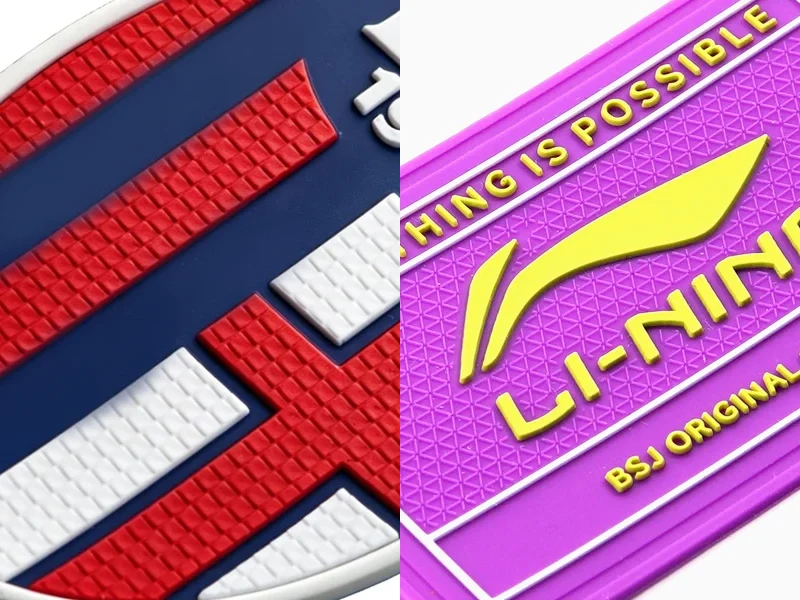
CNC Mold vs. Laser Mold Comparison
| Feature | CNC Molded Silicone Patch | Laser-Engraved Silicone Patch |
|---|---|---|
| Detail Resolution | Medium | High |
| Edge Appearance | Sharp and defined | Smooth and refined |
| 3D Effect | Strong | Moderate to strong |
| Small Text Performance | Limited | Excellent |
| Complex Logo Capability | Good | Excellent |
| Mold Cost | Lower | Higher |
| Production Efficiency | High | High |
| Suitable for Mass Orders | Excellent | Excellent |
| Premium Appearance | Good | Excellent |
Why Does Mold Technology Matter for 3D Silicone Patches?
Short Answer:
Because the mold determines nearly every visual aspect of a silicone patch, including:
- Logo sharpness
- Edge definition
- Text readability
- Layer depth
- Surface texture
- Overall premium perception
Many brands focus on silicone material and colors but overlook the importance of mold construction. In reality, even with the same artwork and silicone material, different mold technologies can produce significantly different results.
For apparel brands, sportswear manufacturers, outdoor equipment suppliers, and promotional product companies, choosing the right mold technology is a critical step in achieving the desired branding effect.
What Is a CNC Molded Silicone Patch?
Definition
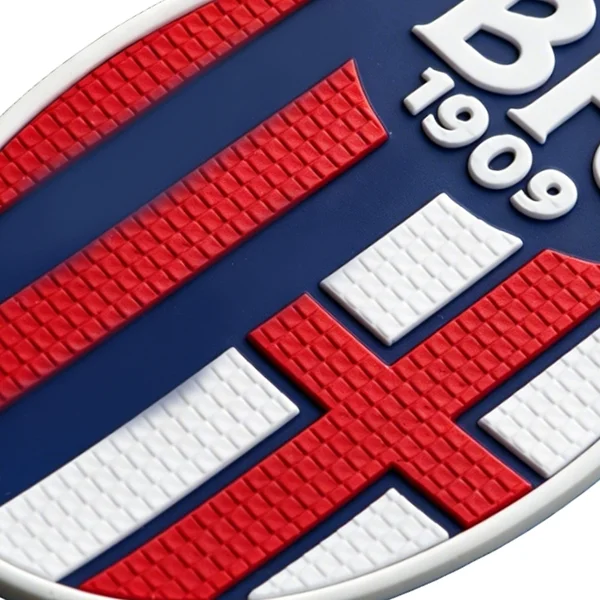
A CNC molded silicone patch is produced using a mold created by CNC machining or traditional cutting tools. During mold fabrication, cutting tools physically remove metal to create recessed and raised areas that form the final silicone patch design.
Because the mold is shaped by cutting tools, the process is often referred to as a knife-cut mold within the apparel trims industry.
How Does the CNC Mold Process Work?
The typical workflow includes:
- Convert artwork into a production drawing
- Program the CNC machining path
- Cut the steel mold using milling tools
- Inject or compress silicone into the mold
- Cure and demold the silicone patch
- Apply backing options such as heat transfer, sewing, Velcro, or adhesive
The final product is a durable and highly dimensional 3D silicone patch suitable for apparel and accessories.
What Are the Advantages of CNC Molded Silicone Patches?
1. Strong Three-Dimensional Appearance
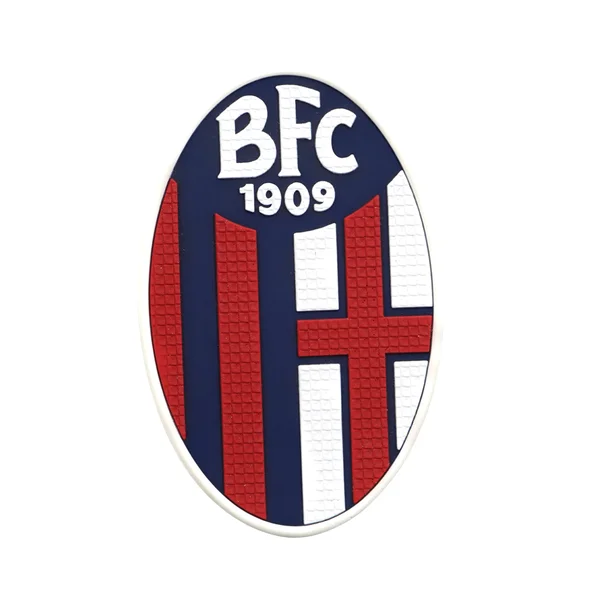
One of the biggest strengths of CNC molds is their ability to create deep relief structures.
Benefits include:
- Bold logo presentation
- Deep recessed areas
- Strong shadow effects
- High visual impact
This makes CNC molds particularly suitable for:
- Sportswear logos
- Outdoor brands
- Workwear labels
- Tactical gear patches
2. Cost-Effective Production
Compared with laser engraving, CNC mold production is generally more economical.
Advantages include:
- Lower mold investment
- Faster machining for simple designs
- Better cost efficiency for large-volume orders
For brands managing strict development budgets, CNC molds often provide the best balance between quality and cost.
3. Excellent Production Stability
CNC molds have been widely used for decades and offer:
- Reliable consistency
- Stable quality
- Predictable production outcomes
For large-scale manufacturing programs, this stability is especially valuable.
What Are the Limitations of CNC Molded Silicone Patches?
Tool Diameter Restrictions
The cutting tool itself has a physical diameter.
As a result:
- Extremely small text may lose clarity
- Very narrow gaps may become filled
- Fine details may need simplification
This limitation becomes more noticeable when working with luxury branding elements or intricate artwork.
Sharper Visual Style
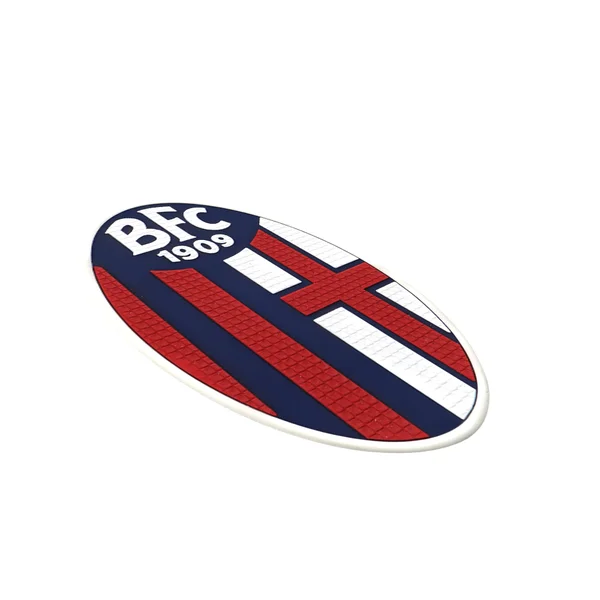
CNC molds naturally create:
- Harder edges
- Stronger corners
- More industrial aesthetics
While this works well for bold branding, it may not be ideal for refined fashion labels seeking a softer appearance.
What Is a Laser-Engraved Silicone Patch Mold?
Definition
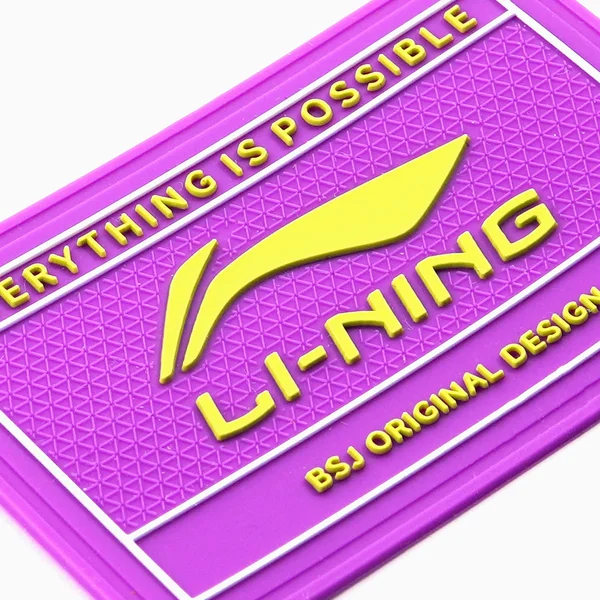
A laser-engraved mold is produced using high-precision laser technology instead of mechanical cutting tools.
The laser beam removes material with exceptional accuracy, allowing mold makers to create intricate details that are difficult or impossible to achieve through traditional machining methods.
How Does Laser Mold Technology Work?
The process generally involves:
- Converting artwork into a laser-compatible file
- Programming laser engraving parameters
- Precisely engraving the mold surface
- Producing silicone patches through molding and curing
Because there is no physical cutting tool involved, laser engraving is not restricted by tool width.
What Are the Advantages of Laser-Engraved Silicone Patches?
1. Superior Detail Performance
The biggest advantage of laser engraving is precision.
Laser molds can reproduce:
- Small lettering
- Fine lines
- Intricate logos
- Complex graphic elements
This makes them particularly attractive for premium apparel brands and luxury product lines.
2. Smoother and More Refined Edges
Unlike mechanical cutting, laser engraving produces:
- Softer transitions
- Rounded contours
- Cleaner micro-details
The result often feels more sophisticated and visually premium.
3. Better for High-End Branding
Many fashion brands prioritize subtle refinement over aggressive dimensionality.
Laser engraving helps achieve:
- Luxury aesthetics
- Cleaner logo reproduction
- Improved perceived quality
This is one reason laser mold technology has become increasingly popular in premium apparel trims.
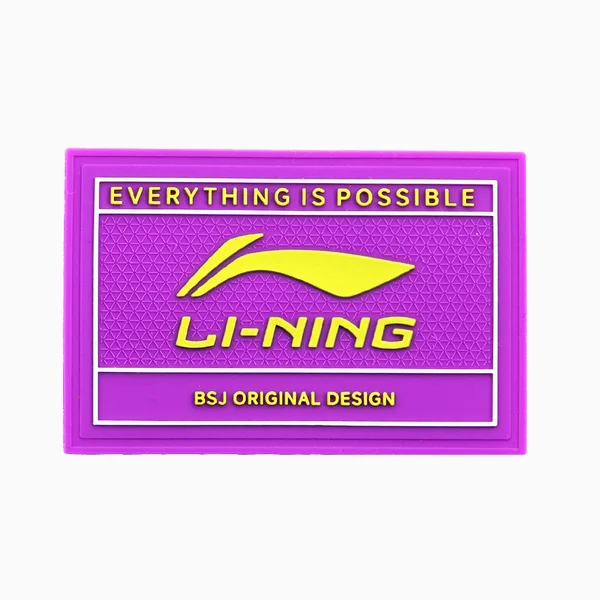
What Are the Limitations of Laser-Engraved Silicone Patches?
Higher Development Cost
Precision comes at a price.
Laser molds typically involve:
- Higher mold-making costs
- More sophisticated equipment
- Longer development planning
For simple designs, the additional investment may not always be necessary.
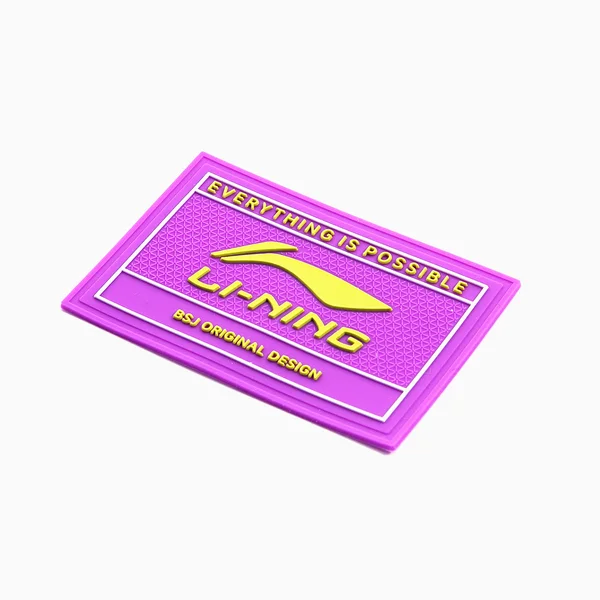
Not Always Required for Simple Logos
If a logo consists of:
- Large lettering
- Bold graphics
- Simple geometric shapes
A CNC mold may deliver comparable visual results at a lower cost.
How Should Brands Choose Between CNC and Laser Molded 3D Silicone Patches?
Choose CNC Molded Silicone Patches When:
Your design includes:
- Large logos
- Thick lettering
- Bold branding elements
- Deep 3D effects
Your business priorities include:
- Cost control
- Large production runs
- Fast mold development
Common applications:
- Sportswear
- Outdoor products
- Workwear
- Promotional products
- Industrial branding
Choose Laser-Engraved Silicone Patches When:
Your design includes:
- Small text
- Fine lines
- Detailed logos
- Luxury branding elements
Your priorities include:
- Premium appearance
- Maximum detail retention
- High-end market positioning
Common applications:
- Fashion brands
- Designer labels
- Luxury sportswear
- Premium accessories
- Limited-edition collections
Can Laser and CNC Technologies Be Combined?
Yes.
In some advanced projects, manufacturers combine both technologies to optimize performance and cost.
For example:
- CNC machining for primary structure
- Laser engraving for fine details
This hybrid approach can provide:
- Strong 3D depth
- Enhanced detail reproduction
- Better production efficiency
For complex custom 3D silicone patches, this is often the most effective solution.
Professional Recommendation from Qinghan
At Qinghan, we evaluate every silicone patch project based on:
- Logo complexity
- Minimum text size
- Desired 3D effect
- Target price point
- Order quantity
- End-use application
Rather than recommending the most expensive option, we focus on selecting the mold technology that best balances visual impact, manufacturability, durability, and cost efficiency.
For many apparel brands, the key question is not whether CNC or laser molds are better—it is which solution best supports the brand’s positioning and product goals.
Final Thoughts
When developing custom 3D silicone patches, mold technology is one of the most important factors affecting the final result.
CNC Molded Silicone Patches
✔ Strong 3D appearance
✔ Cost-effective production
✔ Ideal for bold logos and large orders
Laser-Engraved Silicone Patches
✔ Exceptional detail reproduction
✔ Premium visual quality
✔ Perfect for intricate and high-end branding
By selecting the appropriate mold-making method early in the development process, brands can achieve better logo presentation, fewer sampling revisions, and more consistent production outcomes.
A great silicone patch starts with a great mold—and the right mold technology can transform a good logo into a powerful brand statement.
About Author
——————————————————————————————————————————————

Heidi
Sales Manager
Hi, I’m Heidi, Sales Manager. Known for professionalism and efficiency, I am often recognized as the top sales performer. I believe expertise and dedication build lasting trust with clients.
——————————————————————————————————————————————