Important Factors Often Overlooked in the Wash-Resistance Test for Custom Patches
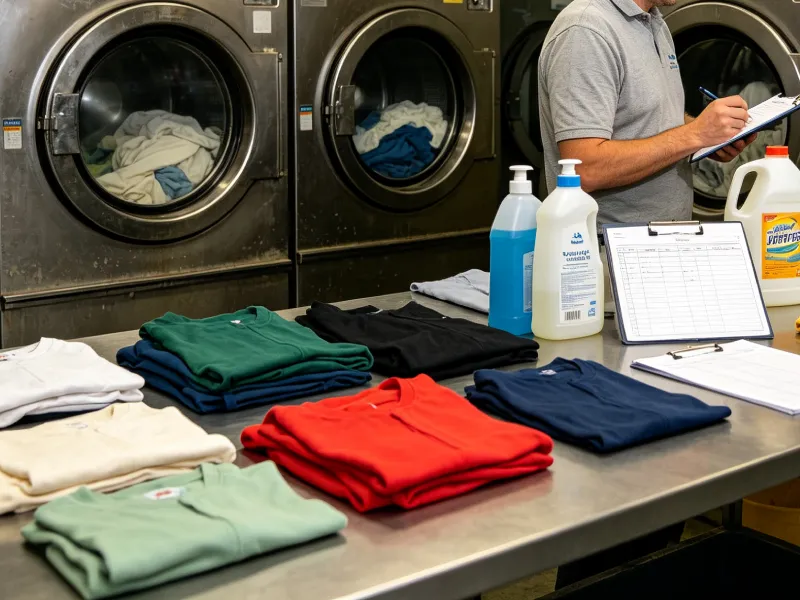
For custom patches and heat-applied apparel trims, a wash-resistance test may seem like a simple quality check. However, once a
For custom patches and heat-applied apparel trims, a wash-resistance test may seem like a simple quality check. However, once a
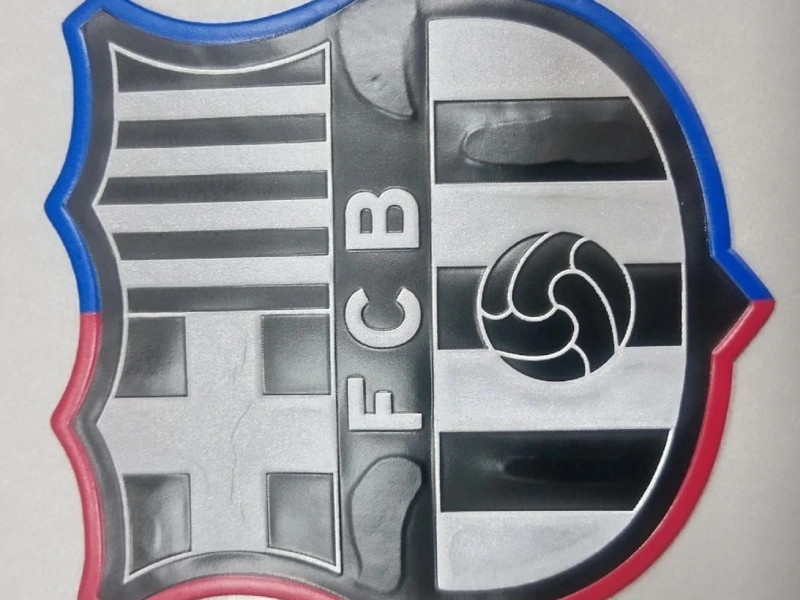
When developing a TPU heat transfer label, we do not simply recommend a random temperature or pressing time. Before a
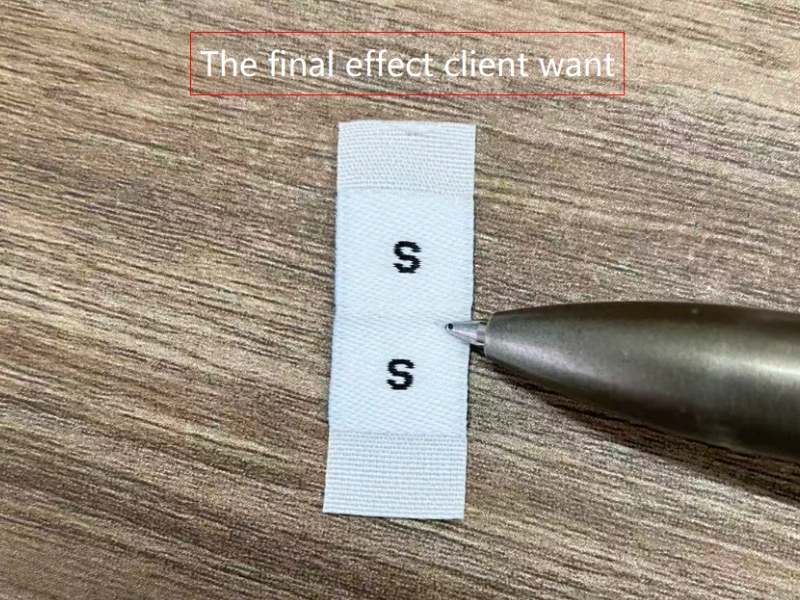
The project was urgent. The deadline was tight. And they had already sent us all the files we needed. Or
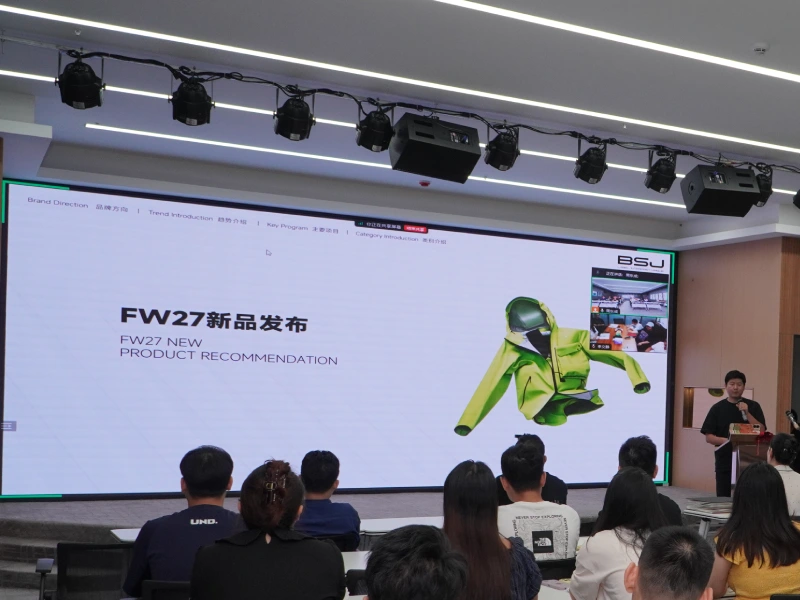
New product development is not simply about adding a few new products to a catalog. It is about exploring how
When developing fleece-based apparel trims or textile products, sublimation printing on fleece can create vibrant and detailed graphics. However, fleece
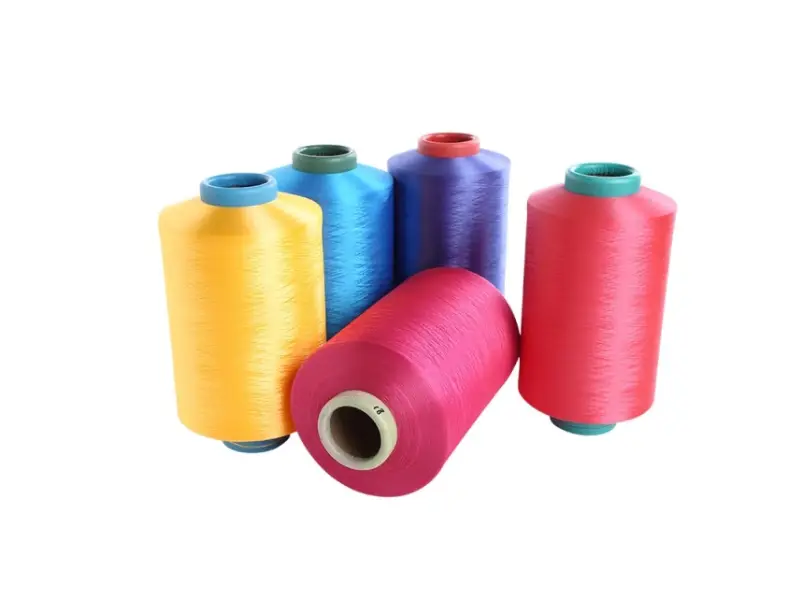
Many customers encounter a common question when developing custom apparel trims: Why do woven labels and embroidery look slightly different
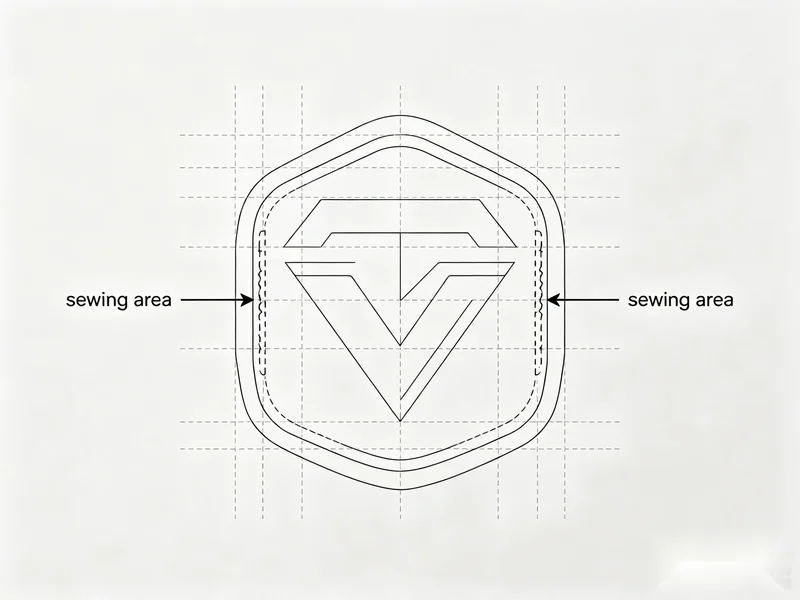
When developing custom sew-on silicone badges, most brands focus on logo appearance, color, and 3D effects. However, many production issues
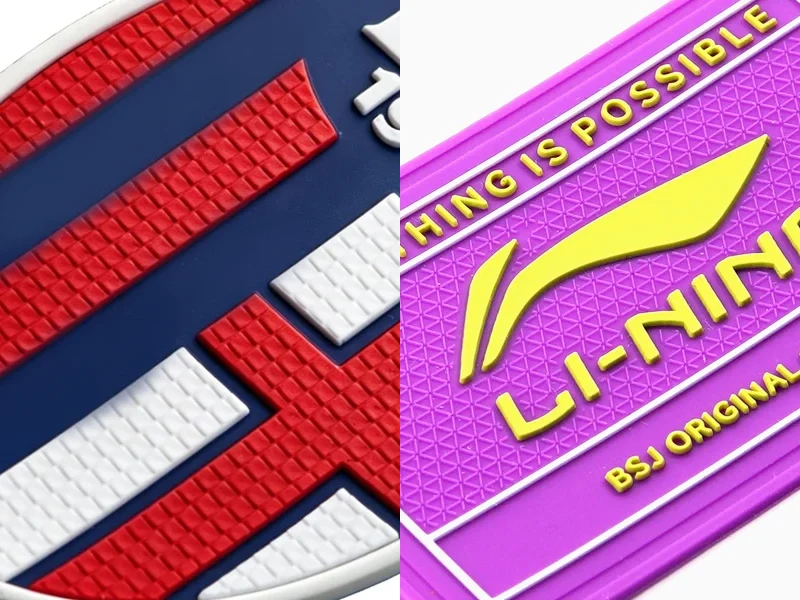
When manufacturing 3D silicone patches, the mold-making method directly affects the final appearance, detail resolution, production cost, and brand presentation.

When wash durability is the top priority, silicone patches generally outperform TPU patches. Silicone patches can withstand 50–100+ wash cycles
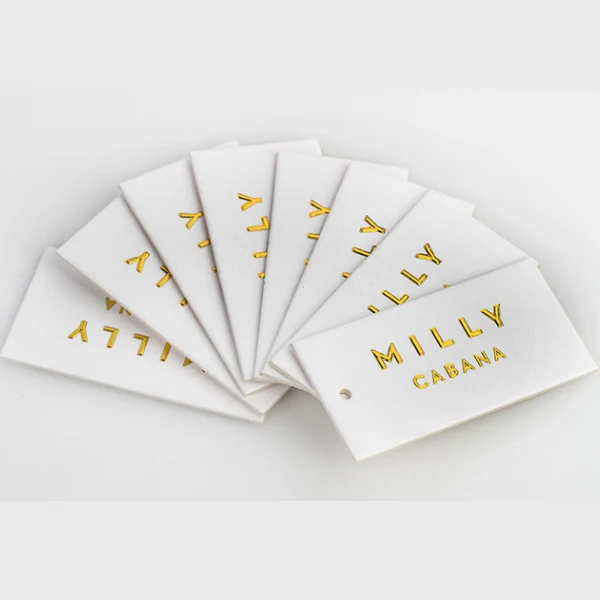
The three most common methods for displaying a brand logo hangtag are Direct Printing, Embossing/Debossing, and Foil Stamping. Each technique
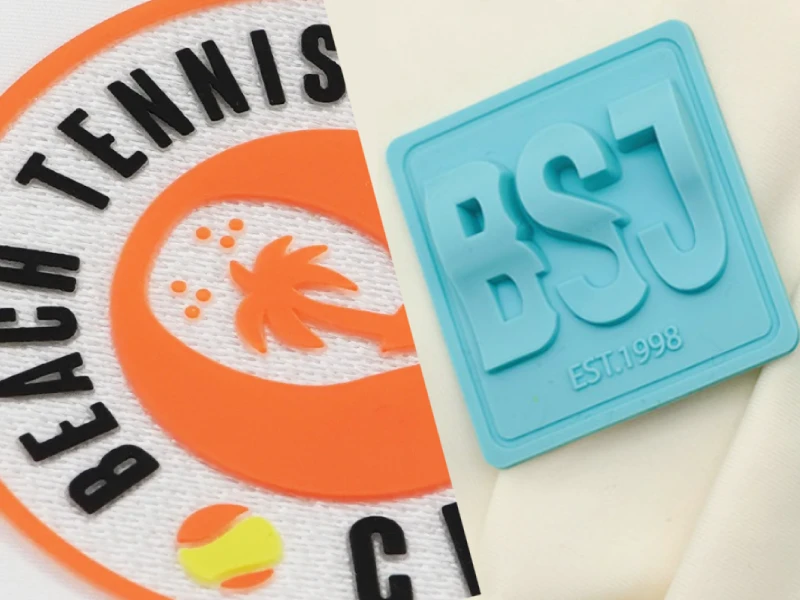
In apparel patches, Screen Printing Silicone vs Mold Silicone differs mainly in production method, 3D effect, cost structure, and scalability.
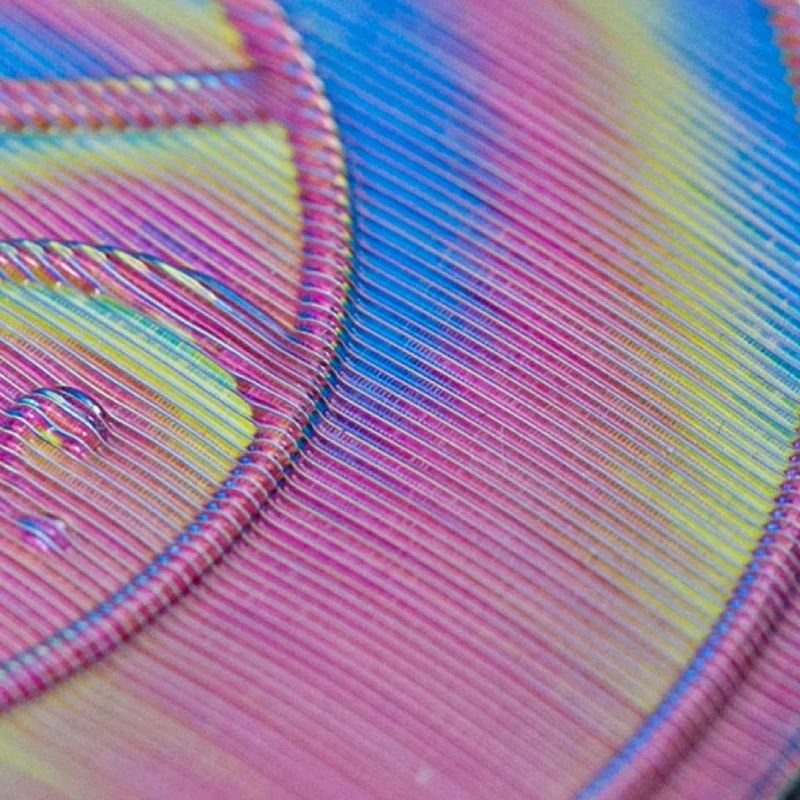
A Lenticular Brushed Shifting Patch is an innovative branding trim made from TPU and precision lenticular technology. By changing the