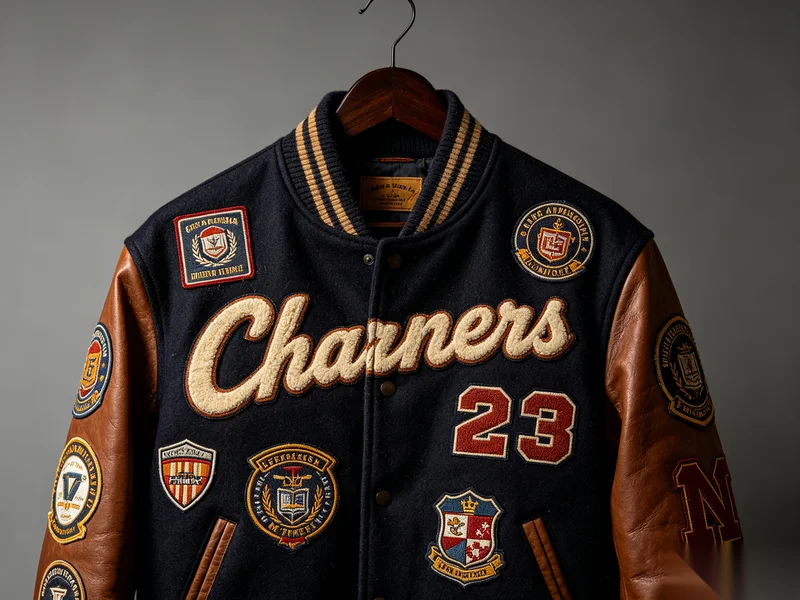
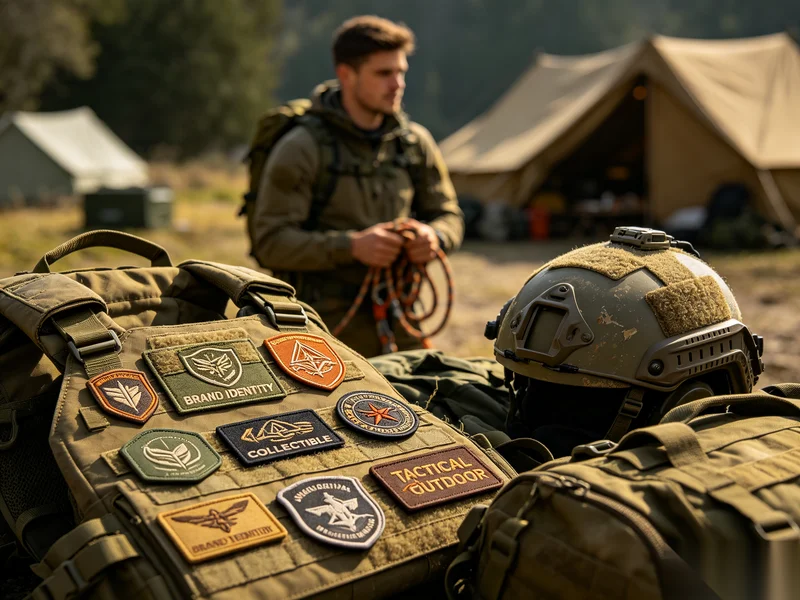
Patch pricing depends on several key factors, including size, number of colors, embroidery coverage, backing type, production method, mold fees, and order quantity. Two patches may look similar at first glance, but differences in materials and manufacturing complexity can create significant price variations.
Why Can Patch Prices Vary So Much?
One of the most common questions buyers ask is:
“Why does one patch cost $0.20 while another costs $2?”
The answer is simple: not all patches are manufactured the same way. Production costs vary based on design complexity, materials, labor requirements, and order volume.
Understanding these cost drivers helps buyers make informed purchasing decisions and optimize their patch budgets.
1. Patch Size: Bigger Usually Means More Cost
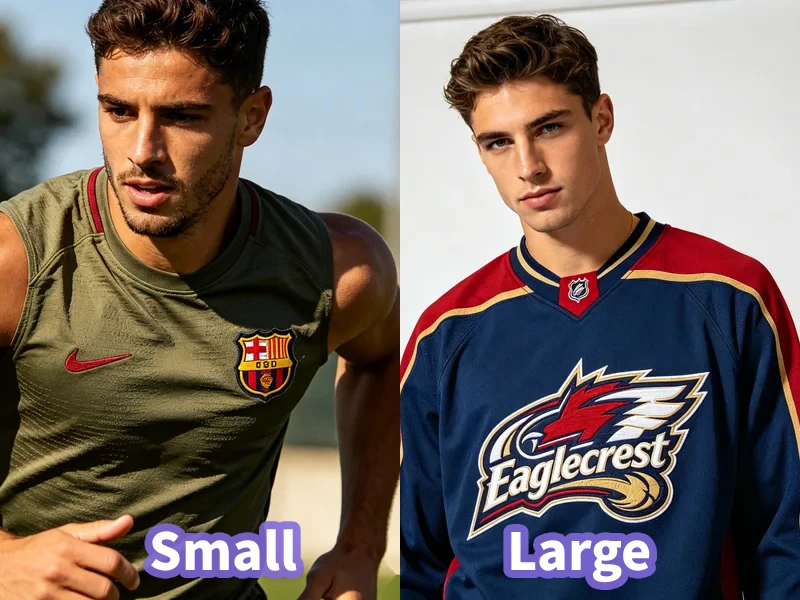
Patch size is one of the most important pricing factors.
Larger patches require:
- More base material
- More thread or PVC material
- Longer machine run times
- Higher labor costs
For example, a 2-inch embroidered patch may cost significantly less than a 5-inch patch with the same design.
In most cases, larger patches consume more resources and increase overall production costs.
2. Number of Colors: More Colors Increase Complexity
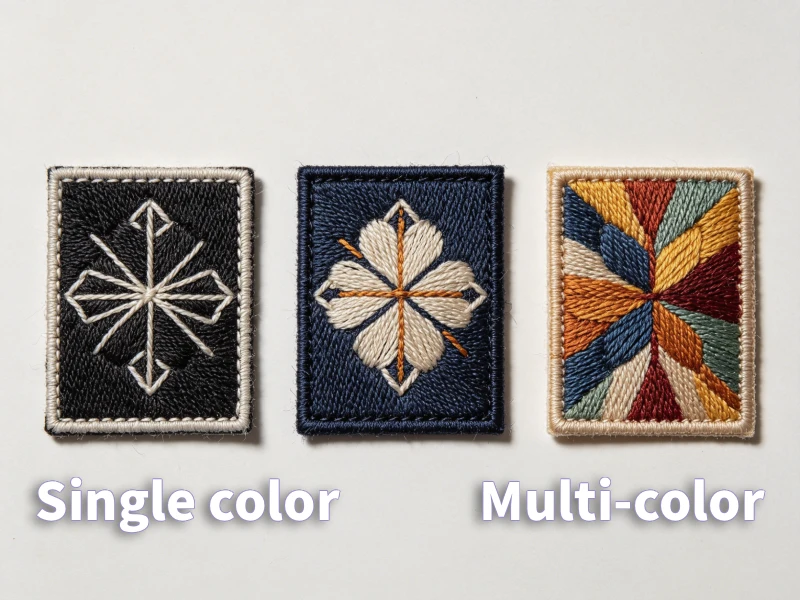
The number of thread or design colors directly impacts manufacturing efficiency.
Each color change may require:
- Additional machine setup
- More production time
- Increased quality control requirements
A simple patch with two colors is generally less expensive than a detailed design containing eight or more colors.
However, color count usually affects pricing less than size and embroidery coverage.
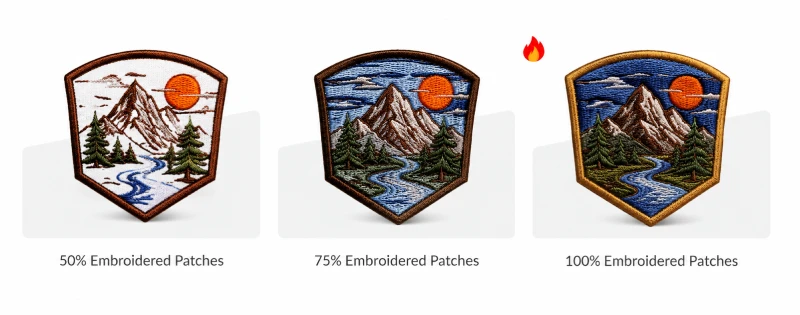
3. Embroidery Coverage: One of the Biggest Cost Drivers
Embroidery coverage refers to how much of the patch surface is covered by stitching.
Low Coverage (30%–50%)
- More visible twill background
- Less thread consumption
- Faster production
- Lower cost
High Coverage (80%–100%)
- Dense embroidery
- Premium appearance
- More thread usage
- Longer machine time
- Higher cost
For embroidered patches, coverage often has a greater impact on price than the number of colors.
4. Mold Fees: Important for PVC and Metal Patches
Not every patch requires a mold.
However, products such as:
- PVC patches
- Rubber patches
- Silicone patches
- Metal emblems
usually require custom molds.
The mold fee is typically a one-time development cost that covers tooling and setup.
For large production runs, mold costs are spread across more units and become less significant. For small orders, mold fees can noticeably increase the average cost per patch.

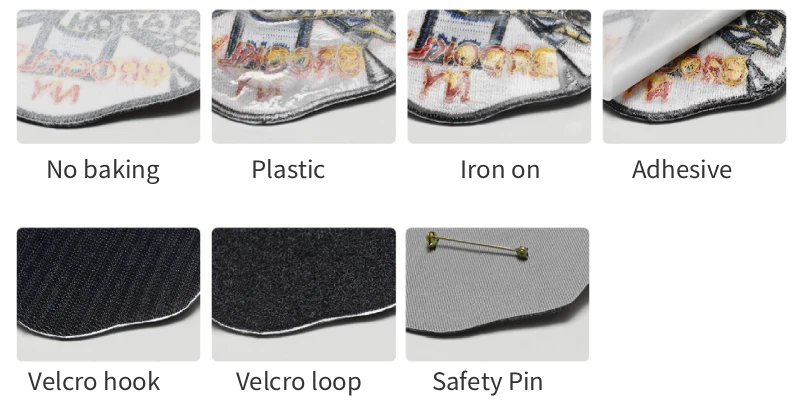
5. Backing Type: Different Options, Different Costs
The backing option affects both usability and pricing.
Common backing types include:
Sew-On Backing
- Lowest cost
- Most durable
- No additional adhesive process
Iron-On Backing
- Moderate additional cost
- Convenient application
Heat-Seal Backing
- Popular for uniforms and apparel
- Requires additional materials
Hook-and-Loop (Velcro) Backing
- Higher cost
- Common for military and tactical patches
Adhesive Backing
- Suitable for temporary applications
- Additional production step
More specialized backing options generally increase production costs.
6. Order Quantity: The Largest Factor in Unit Price
Quantity often has the biggest impact on the final price per patch.
Small Orders
- Setup costs spread across fewer units
- Higher unit price
Large Orders
- Better material utilization
- Improved machine efficiency
- Lower unit cost
For example:
| Quantity | Approximate Unit Cost Trend |
|---|---|
| 100 pcs | Highest |
| 500 pcs | Lower |
| 1,000 pcs | Much Lower |
| 5,000+ pcs | Lowest |
This is why wholesale buyers often receive significantly lower pricing than small-order customers.
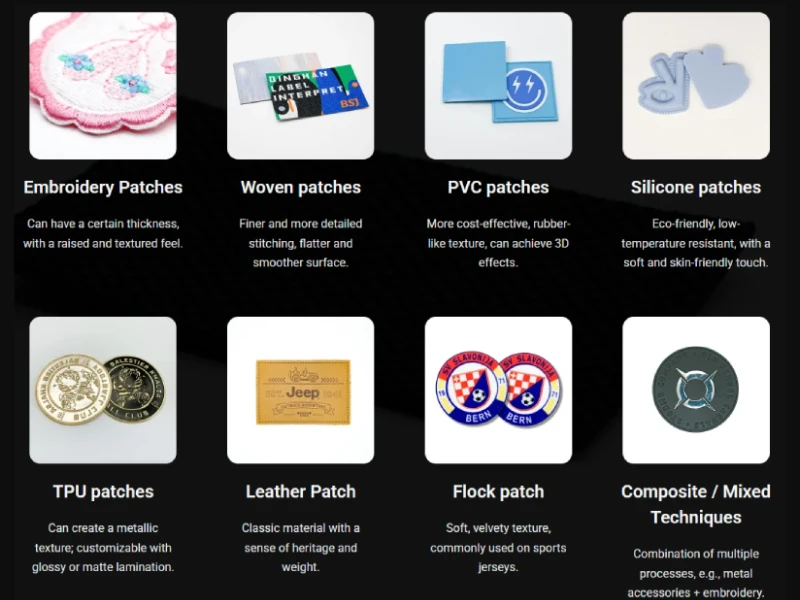
7. Production Method Also Matters
Different patch types have different manufacturing costs.
Embroidered Patches
Most common and cost-effective for many designs.
Woven Patches
Ideal for fine details but may cost slightly more for certain designs.
PVC Patches
Require molds and specialized materials.
Chenille Patches
Use thicker yarn and multiple production processes.
TPU and Silicone Patches
Often involve advanced molding and heat-transfer technologies.
The best option depends on both budget and application requirements.
How Can Buyers Reduce Patch Costs?
Businesses can optimize patch pricing by:
- Simplifying artwork
- Reducing embroidery coverage when appropriate
- Choosing standard sizes
- Consolidating orders into larger quantities
- Selecting suitable backing options
- Working directly with experienced manufacturers
Early planning and clear specifications also help avoid unnecessary development costs.
FAQ
What affects patch pricing the most?
Order quantity, patch size, and embroidery coverage are usually the biggest pricing factors.
Does adding more colors significantly increase cost?
Not usually. Size and stitch count often have a greater impact than color quantity.
Why do PVC patches cost more?
PVC patches generally require custom molds and specialized manufacturing processes.
Is Velcro backing more expensive?
Yes. Hook-and-loop backing typically costs more than sew-on or iron-on options.
Can larger orders reduce unit costs?
Yes. Higher quantities significantly lower the cost per patch by spreading setup expenses across more units.
How can I get the best patch price?
Provide clear artwork, choose practical specifications, and place larger consolidated orders whenever possible.
Final Thoughts
When comparing patch quotes, it’s important to look beyond the unit price alone. A patch’s cost is influenced by size, color count, embroidery coverage, mold fees, backing type, production method, and order quantity.
Understanding these factors helps buyers evaluate quotes more accurately and choose the most cost-effective solution for their project.
For businesses sourcing patches regularly, partnering with an experienced manufacturer can help balance quality, performance, and price while ensuring consistent results across every order.
About Author
——————————————————————————————————————————————

Apollo
Senior E-commerce Manager
Apollo is an experienced e-commerce manager specializing in patches, apparel accessories, and digital marketing, helping global textile brands grow with proven online strategies.
——————————————————————————————————————————————