How to Choose the Best Fabric for Embroidery Patches?
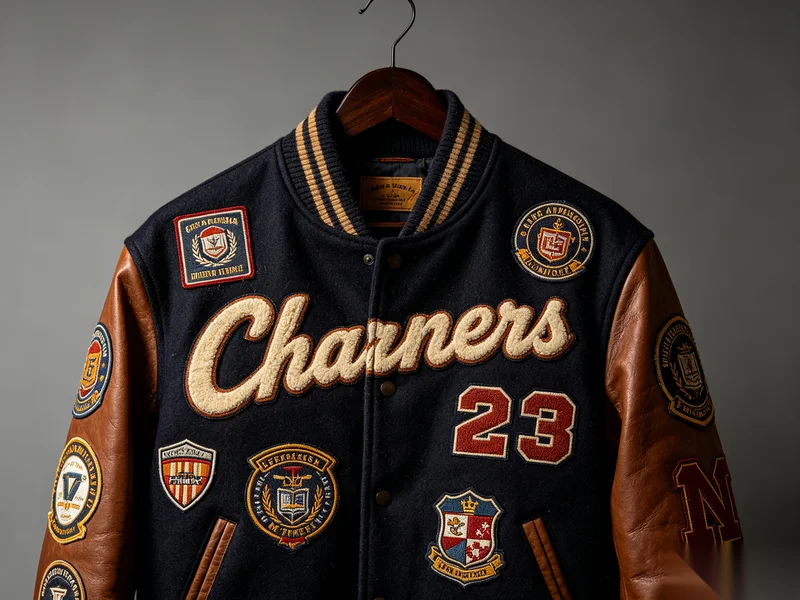
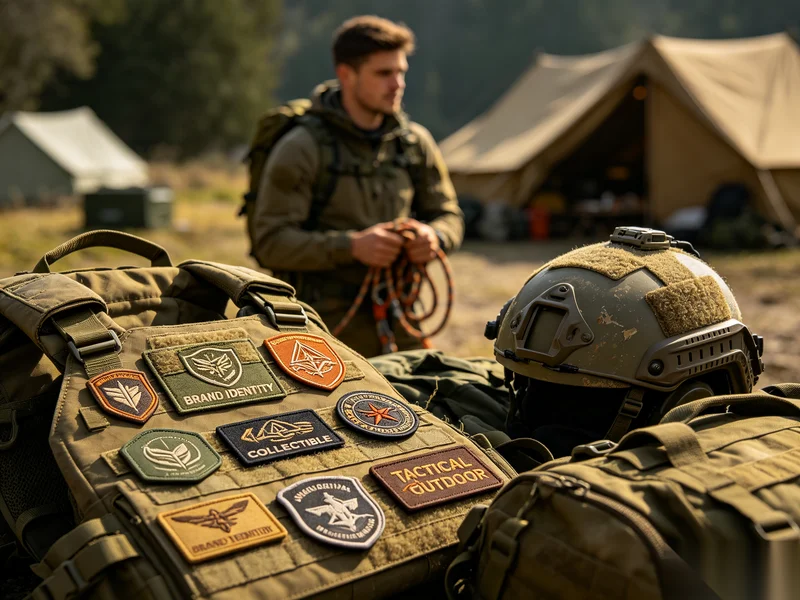
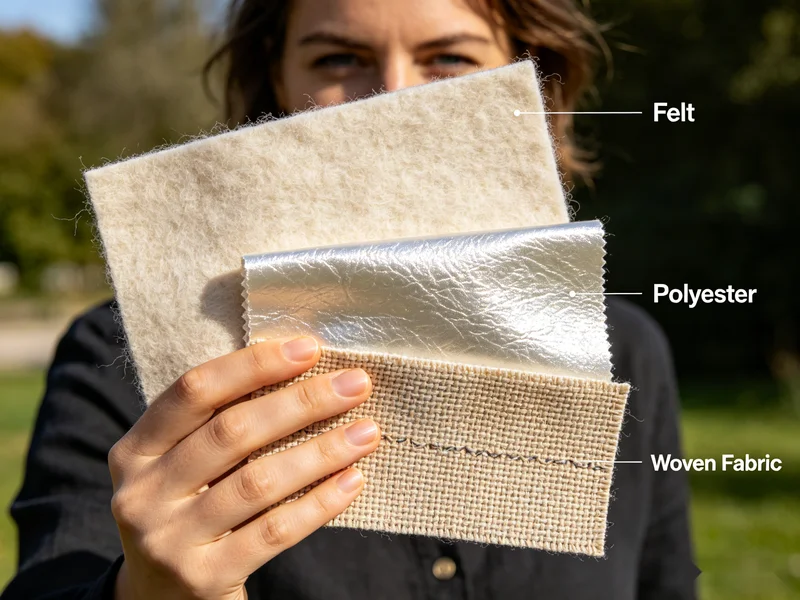
The best fabric for embroidery patches depends on your design complexity, brand positioning, and application. Felt is ideal for bold,
The best fabric for embroidery patches depends on your design complexity, brand positioning, and application. Felt is ideal for bold,

The standard thickness options for custom TPU patches are 0.5mm, 0.7mm, and 1.0mm. Each thickness offers different levels of flexibility,
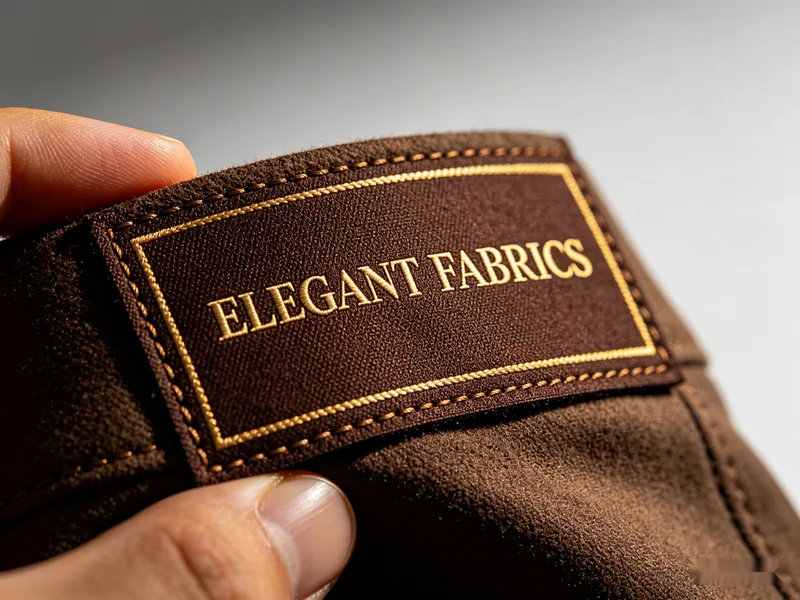
The best fabric selection for custom patches depends on your application, budget, and brand positioning. Felt is low-cost and dimensional,
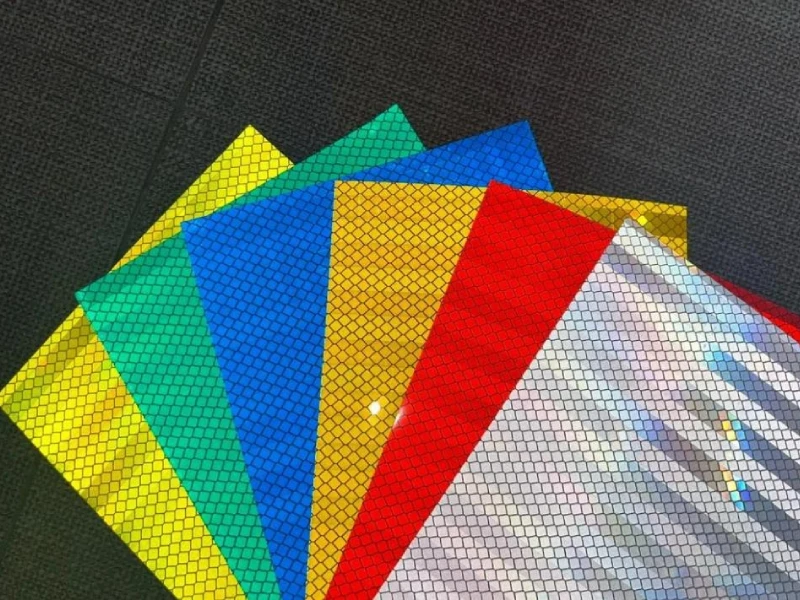
Reflective patches are safety components used in garments to enhance visibility in low-light conditions. The two main types—glass bead and
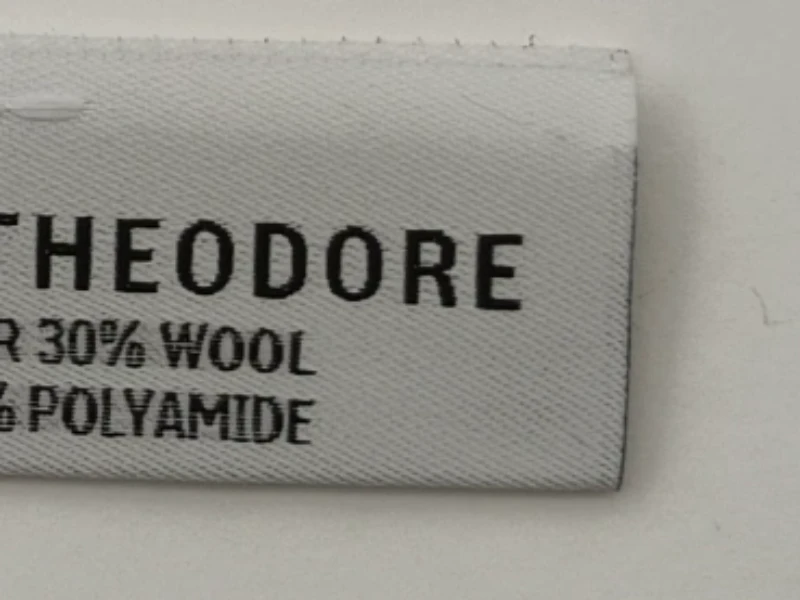
Uneven color in small text on custom text labels is usually caused by limitations in woven label production. To reduce
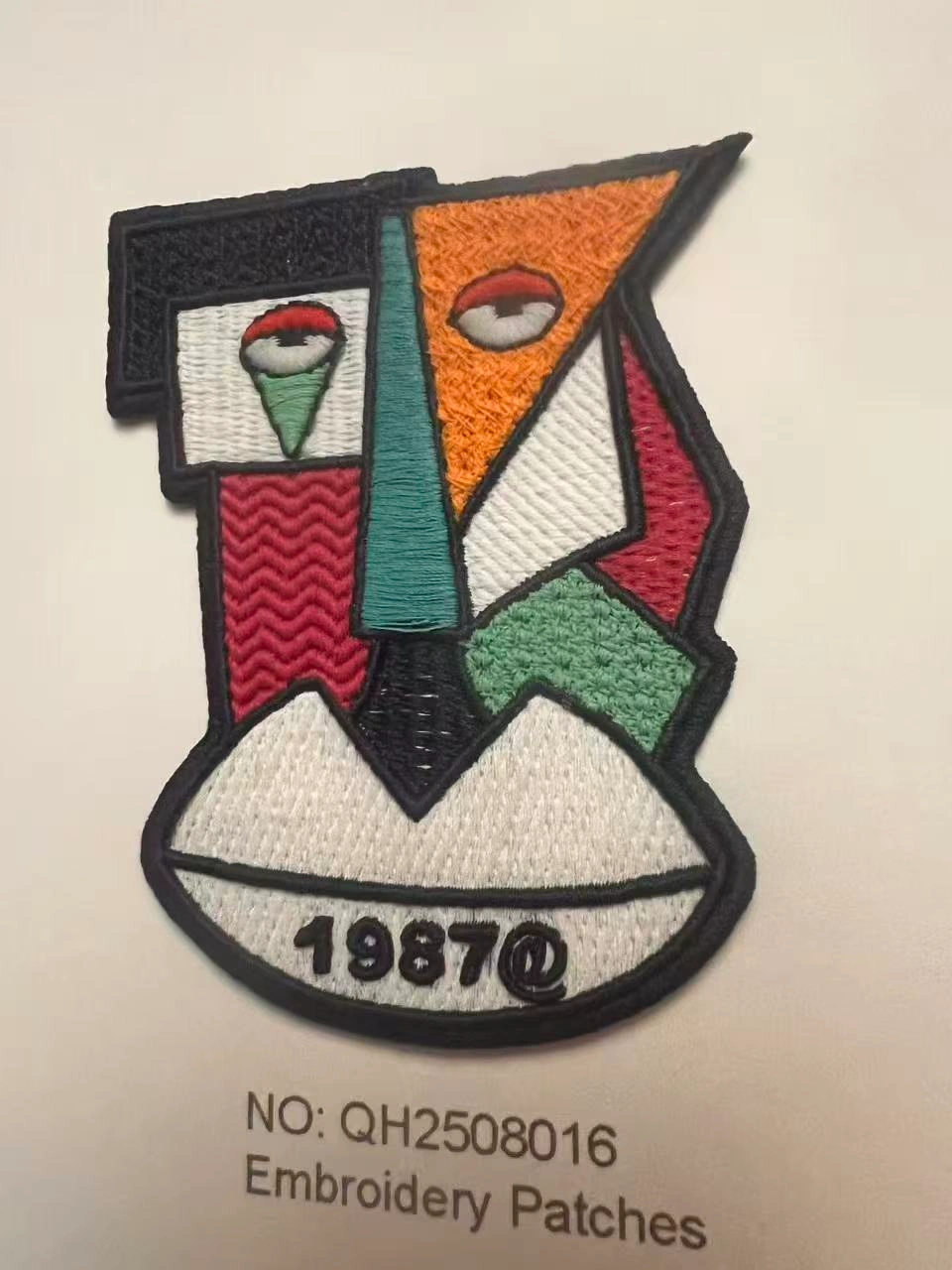
A multi-technique embroidered patch combines weaving, embroidery, printing, or heat transfer to improve detail and consistency. When dealing with small
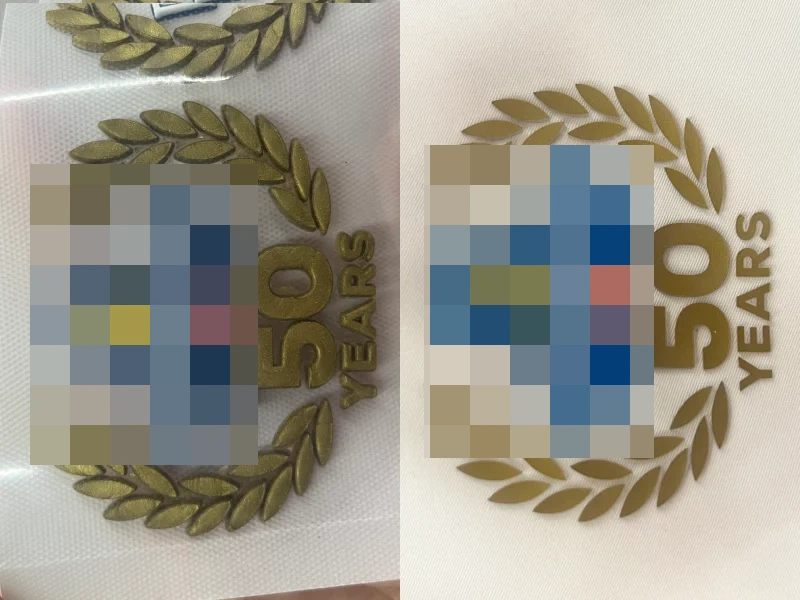
When producing silicone patches, many brands prefer gold-colored elements to create a premium and eye-catching design. However, when using mold
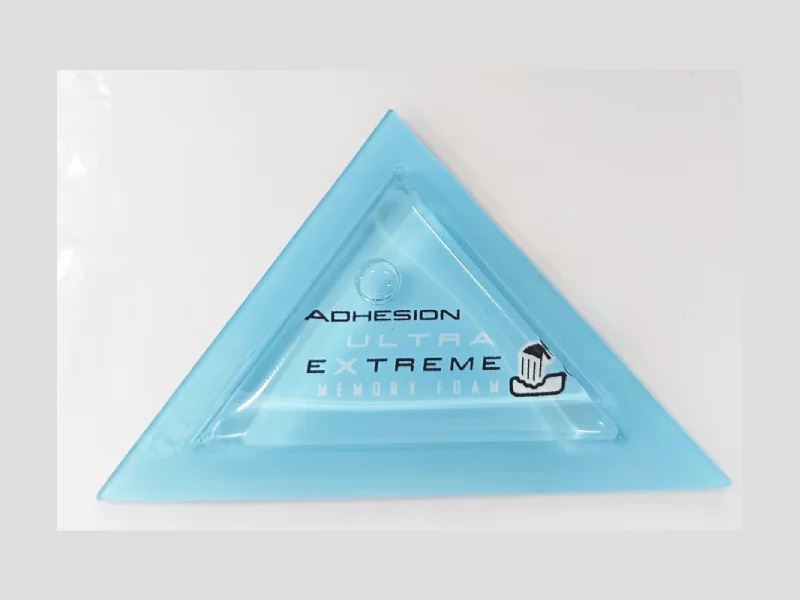
When apparel, bag, and outdoor brands select a TPU oil-filled patch, the most common concerns are usually the same: safety,

In the global apparel supply chain, brands are placing increasingly strict requirements on their suppliers regarding environmental standards, quality systems,

In the apparel and accessories industry, brands have long searched the world for lower production costs. Moving manufacturing to different

When designing embroidered patches, many brands focus mainly on colors and visual style. However, size limitations in computer embroidery are

A Common Question from Apparel Brands A customer once asked us a very practical question:“For injection-molded apparel accessories, what’s the