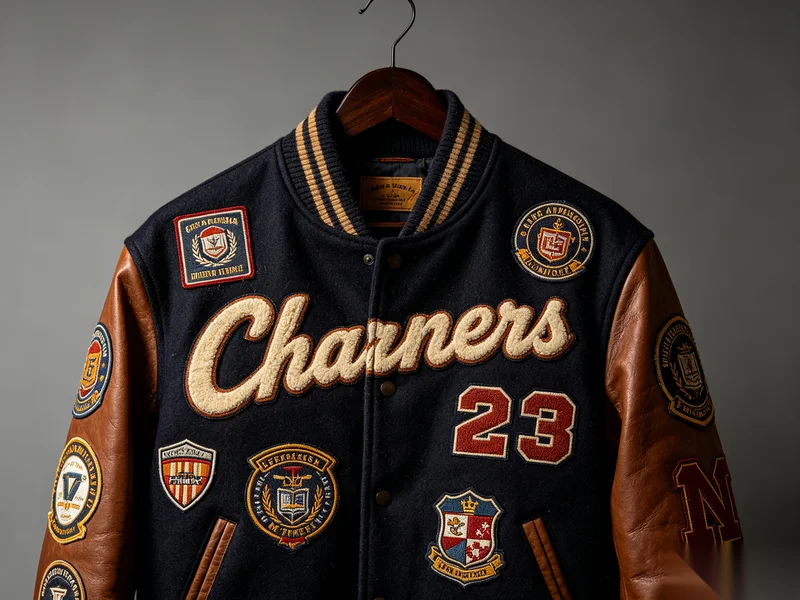
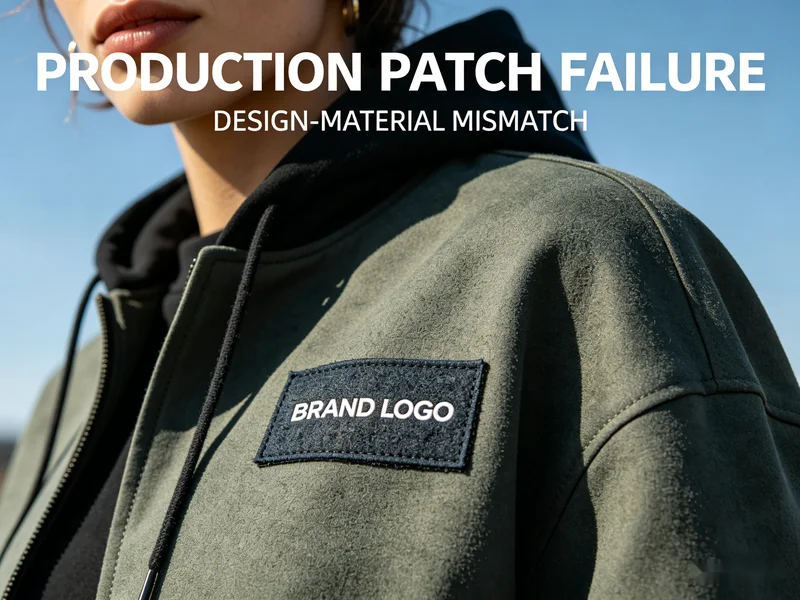
Most brand logo failures in production happen at the patch stage because design is not aligned with material and process capabilities. Choosing the wrong patch material or manufacturing method leads to color deviation, poor texture, and low-end appearance—even if the original design is strong.
Why Does a Good Brand Logo Look Cheap in Production?
Short Answer:
Because design files are not automatically transferable to physical materials—each patch type has technical limitations.
Many brands invest heavily in logo design, packaging, and visual identity. However, when it comes to production—especially patches and trims—the final result often falls short:
- Colors look different from the original design
- Texture feels incorrect
- The overall appearance looks منخفض quality
👉 The gap lies between design intent and manufacturing reality.

Why Design ≠ Final Result in Brand Logo Patches?
Short Answer:
Because every patch technique has limitations in detail, color, and finish.
Key Production Constraints
- Embroidery cannot reproduce ultra-fine lines
- Some materials cause color deviation
- Fabric-based patches cannot achieve glossy or metallic effects
👉 This means there is a hidden layer between design and production:
“realization logic” (design → material → process → final product)
How Does Fabric and Material Affect Brand Logo Quality?
Short Answer:
Material selection determines up to 70% of the final visual result.
Common Patch Materials & Their Brand Impact
| Material Type | Visual Effect | Brand Positioning |
|---|---|---|
| Woven Label | Fine, clean, durable | Premium / high-end |
| Silicone / PVC Patch | 3D, bold | Sports / outdoor |
| TPU Patch | Thin, modern | Tech / performance |
| Printed Label | Complex, colorful | Creative / graphic-heavy |
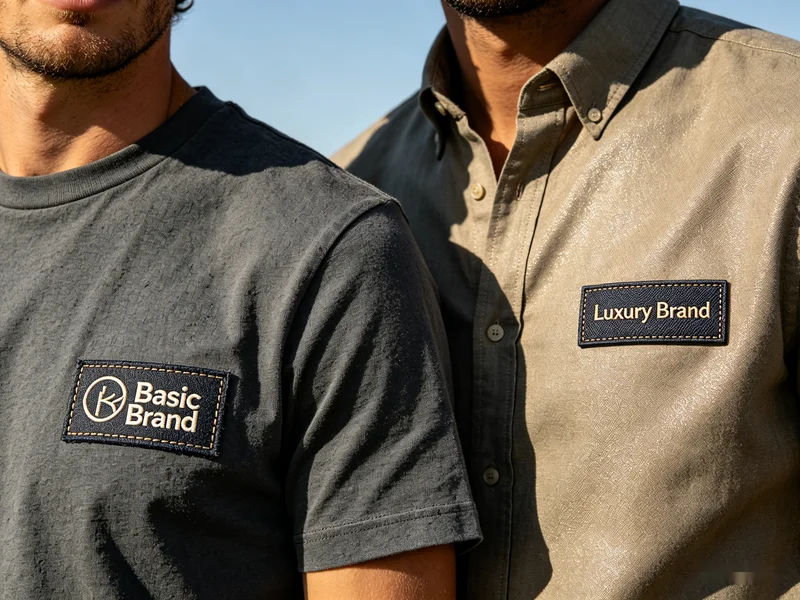
👉 The same brand logo, when applied to different materials, can create completely different brand perceptions.

What Is the Biggest Mistake in Brand Logo Patch Development?
Short Answer:
Choosing materials based on preference instead of suitability.
Real Industry Insight
In B2B production, the most common issue is:
❌ Selecting a material that cannot properly express the design
For example:
- Using embroidery for highly detailed logos
- Using fabric for glossy or high-contrast designs
- Using low-end materials for premium branding
👉 Result: design quality is lost during execution
How Does Manufacturing Capability Impact Brand Logo Results?
Short Answer:
Even with the right material, execution depends on the supplier’s technical expertise.
What a Professional Patch Manufacturer Should Do
- Optimize artwork for production feasibility
- Recommend the best material based on brand positioning
- Adjust structure, thickness, and technique
- Provide sampling and iterative improvements
👉 The difference is clear:
- A supplier = produces what you send
- A partner = improves what you need
Can the Same Brand Logo Look Completely Different?
Short Answer:
Yes—and this is one of the most overlooked risks.
Example Scenario
A brand uses a printed label for a logo → result looks flat and less premium
After optimization:
Switch to woven label → sharper detail, cleaner finish, improved durability
👉 Same design, different execution → completely different brand perception
How to Ensure Your Brand Logo Is Properly Executed?
Short Answer:
Integrate material and process decisions at the design stage—not after.
Best Practice Checklist
- ✔ Match design complexity with the right technique
- ✔ Choose materials based on brand positioning
- ✔ Validate color and texture through sampling
- ✔ Work with manufacturers who provide technical guidance
Why Patches Are Critical in Brand Logo Implementation?
Short Answer:
Because patches are the most direct physical representation of your brand on the product.
Professional Insight
In apparel and accessories:
- The patch = the brand identity in physical form
- It directly affects perceived quality
- It influences customer trust and positioning
👉 Poor patch execution can downgrade even a well-designed brand logo.
Conclusion
A strong brand logo is not just about good design—it’s about correct execution.
If patches are treated as a final step, the result is often compromised.
But when material and process are considered from the beginning, patches become a key driver of brand value.
👉 The difference between average and premium products often comes down to one thing:
how well the logo is realized in the final material.
About Author
——————————————————————————————————————————————

Heidi
Sales Manager
Hi, I’m Heidi, Sales Manager. Known for professionalism and efficiency, I am often recognized as the top sales performer. I believe expertise and dedication build lasting trust with clients.
——————————————————————————————————————————————