Cap patches are decorative or branded elements attached to hats and caps to display logos, designs, or messages. They are widely used in fashion, corporate branding, and promotional products, offering durability, customization, and a premium look that enhances brand visibility and product value.
What Are Cap Patches?
Cap patches are customized patches designed specifically for application on caps and hats. They can be made using various techniques such as embroidery, woven labels, leather, silicone, or printing.
These patches are typically attached to the front panel of caps, especially on styles like baseball caps and trucker hats. Their purpose is to create a strong visual focal point while reinforcing brand identity.
For B2B buyers, custom hat patches are an essential component in headwear manufacturing, helping brands differentiate their products in competitive markets.
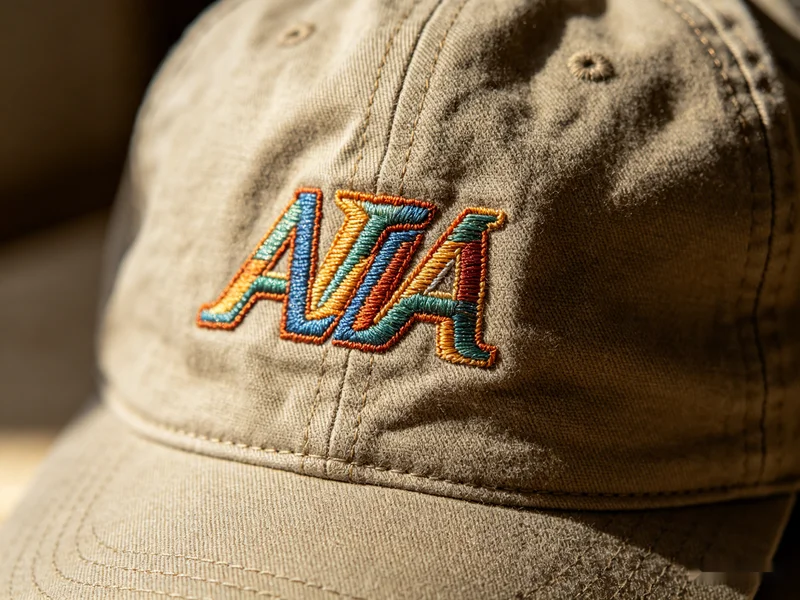
What Types of Cap Patches Are Available?
There are multiple types of patches for caps, each offering unique advantages depending on design requirements and target market.
Embroidered Cap Patches
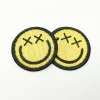
These are the most traditional option, featuring stitched designs with a textured and durable finish. Embroidered cap patches are ideal for classic branding and long-term use.
Woven Patches
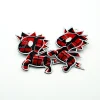
Woven patches provide finer detail and a smoother surface, making them suitable for intricate logos or small text.
Leather Patches
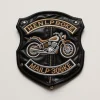
Leather patches offer a premium and rugged look, often used in outdoor and lifestyle brands.
Silicone or Rubber Patches
These patches provide a modern, three-dimensional effect and are highly resistant to water and wear.
Printed Patches
Printed patches allow for full-color designs and gradients, making them ideal for complex artwork.

Why Are Cap Patches Important for Branding?
Cap patches play a critical role in brand presentation, especially in industries where visual identity is key.
They create a focal point on the product, making logos more noticeable and memorable. Compared to direct embroidery on caps, patches offer more flexibility in design and material selection.
They also enhance perceived product value. A well-designed patch can make a cap appear more premium and professionally manufactured.
For businesses, custom hat patches provide a scalable way to maintain consistent branding across different product lines.

How Are Cap Patches Made and Applied?
The production of patches for caps depends on the chosen material and technique.
First, the design is prepared and optimized for the selected patch type. The patch is then produced using embroidery, weaving, molding, or printing processes.
After production, the patch is attached to the cap. Common attachment methods include:
- Stitching for maximum durability
- Heat pressing for efficiency
- Adhesive bonding for certain materials
For structured caps, stitching is often preferred to ensure long-term performance.
When Should Businesses Use Cap Patches?
Cap patches are suitable for a wide range of applications, making them a versatile choice for B2B buyers.
They are commonly used in corporate merchandise, where branded caps are distributed to employees or clients. In retail, they are a key feature in fashion and streetwear collections.
Promotional campaigns also benefit from cap patches, as they create wearable branding that increases exposure.
Industries such as sports, outdoor gear, and lifestyle brands frequently rely on embroidered cap patches to build strong visual identity.

Cap Patches vs Direct Embroidery on Caps
When deciding between patches and direct embroidery, businesses should consider flexibility and design requirements.
Cap patches offer more versatility, allowing for different materials, textures, and complex designs. They can also be produced separately and applied to various products.
Direct embroidery, on the other hand, is integrated into the cap itself and may be more cost-effective for simple designs.
However, for brands seeking a premium and distinctive look, cap patches are often the better choice.
How to Design Effective Cap Patches?
Design is a key factor in the success of custom hat patches.
Simple and bold designs tend to work best, especially for smaller cap surfaces. High contrast between the patch and the cap improves visibility.
The size and placement of the patch should be carefully considered to ensure balance and readability.
Material selection also plays an important role. For example, leather patches convey a premium feel, while embroidered patches offer a classic look.
Working with experienced manufacturers helps ensure that designs are optimized for production.
What Should B2B Buyers Consider Before Ordering?
Before placing an order, businesses should evaluate several important factors.
Order quantity affects pricing, with bulk orders offering better cost efficiency. Lead time is also critical, especially for seasonal or promotional products.
The choice of patch type should align with the brand’s positioning and target audience. Attachment methods should be selected based on durability requirements.
Quality control is essential to ensure consistency across all units, particularly for large-scale production.
FAQ
What are cap patches used for?
They are used for branding, decoration, and enhancing the visual appeal of caps and hats.
Which type of patch is best for caps?
It depends on the design. Embroidered patches are best for durability, while woven or printed patches are better for detailed designs.
Are cap patches durable?
Yes, especially when stitched onto the cap, they can withstand long-term use.
Can cap patches be customized?
Yes, they can be fully customized in terms of size, shape, material, and design.
What industries use cap patches the most?
Fashion, sports, corporate branding, and promotional products are the main industries.
Is stitching better than heat pressing for cap patches?
Stitching is generally more durable, especially for long-term or heavy-use applications.
Cap patches provide a versatile and effective solution for businesses looking to enhance headwear with strong branding elements. Their flexibility in design, material, and application makes them a valuable choice for companies aiming to create high-quality, visually impactful products at scale.
About Author
——————————————————————————————————————————————

Apollo
Senior E-commerce Manager
Apollo is an experienced e-commerce manager specializing in patches, apparel accessories, and digital marketing, helping global textile brands grow with proven online strategies.
——————————————————————————————————————————————