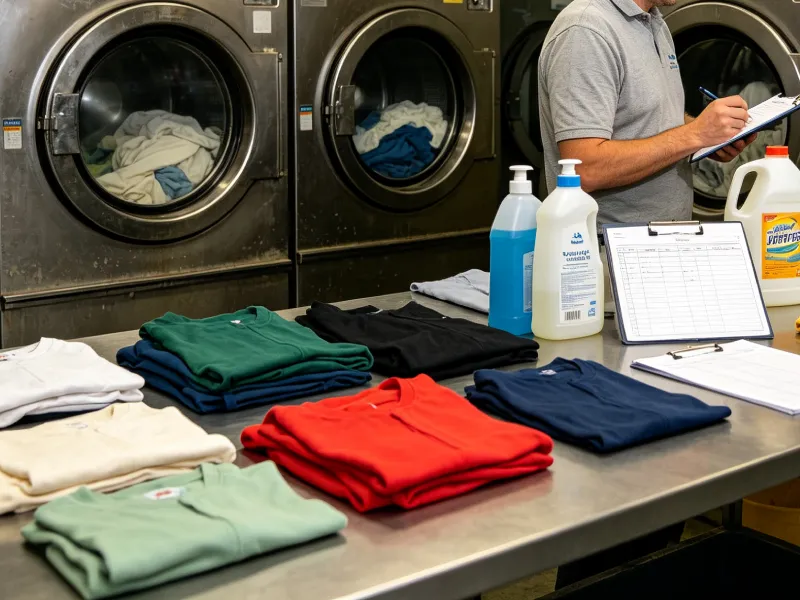
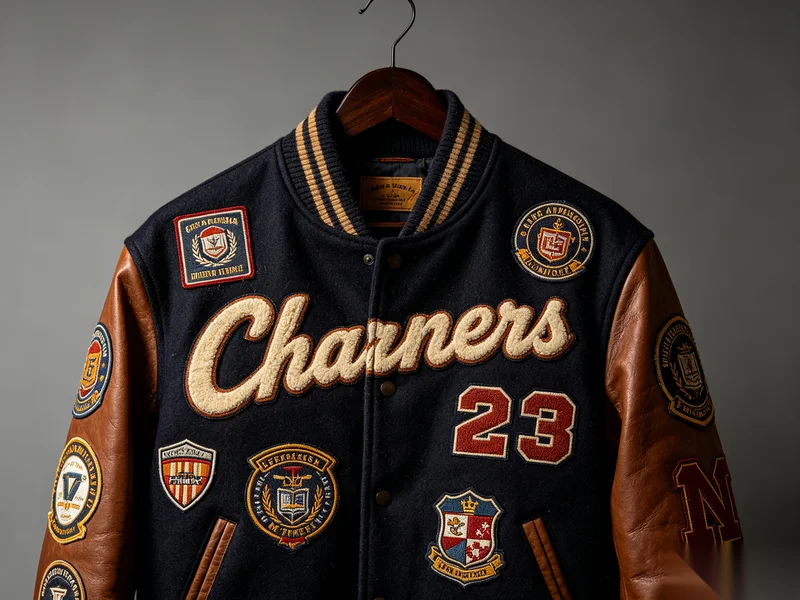
The best fabric for embroidery patches depends on your design complexity, brand positioning, and application. Felt is ideal for bold, vintage-style patches, polyester offers the best balance for detailed logos, and woven base fabric provides premium precision for high-end branding and fine text.
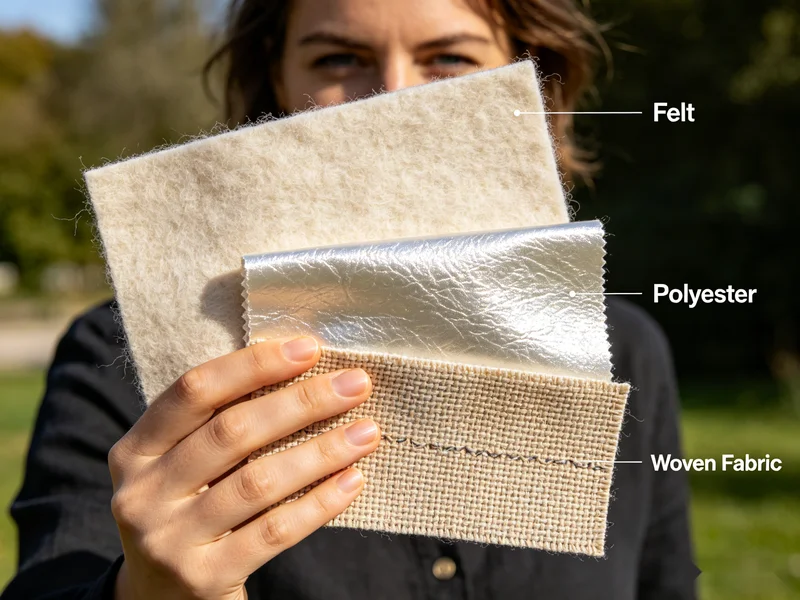
What Is the Best Fabric for Embroidery Patches?
Short Answer:
There is no single “best” fabric—felt, polyester, and woven base fabrics each serve different purposes depending on design requirements and product positioning.
Quick Comparison Table (B2B Reference)
| Fabric Type | Thickness | Detail Level | Texture | Cost | Best Use |
|---|---|---|---|---|---|
| Felt | Thick | Medium | Soft, fuzzy | Low | Vintage, bold designs |
| Polyester | Medium | High | Smooth | Medium | Logos, sportswear |
| Woven Base | Thin | Very High | Fine, clean | High | Premium branding |
Why Is Fabric Selection Important for Embroidery Patches?
Short Answer:
Because the base fabric directly affects embroidery clarity, durability, texture, and overall product quality.
In many projects, buyers focus only on embroidery techniques (stitch type, density, color), but the fabric base determines how well those techniques perform. A poor fabric choice can limit detail, distort shapes, or reduce product lifespan.
What Are the Characteristics of Felt for Embroidery Patches?
Short Answer:
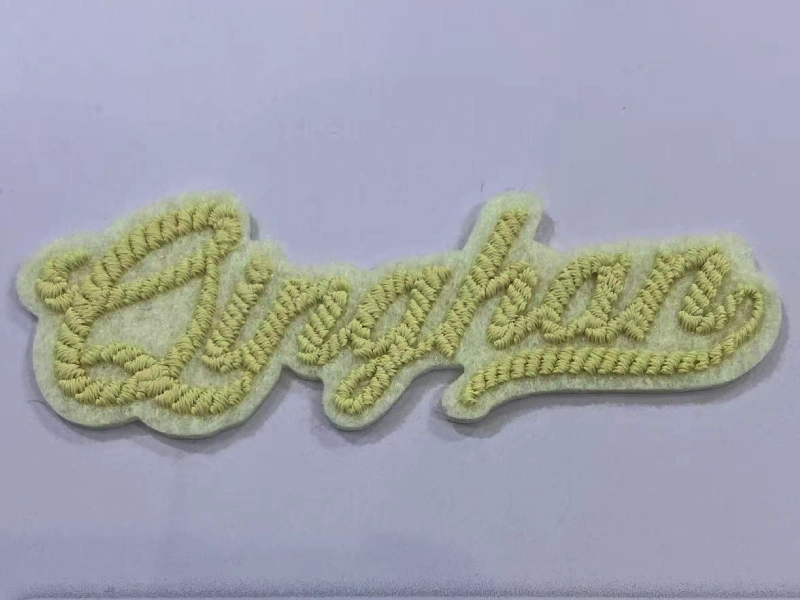
Felt is a thick, non-woven fabric best suited for bold, high-coverage embroidery with a soft and vintage appearance.
Key Features
- Non-woven structure with noticeable thickness
- Soft surface with slight fuzziness
- Strong support for dense stitching
Advantages
- Ideal for large-area embroidery
- Creates a strong 3D and full visual effect
- Classic and traditional aesthetic
- Cost-effective for bulk production
Limitations
- Not suitable for small text or fine details
- Fuzzy surface may reduce design sharpness
Typical Applications
- Vintage-style patches
- Large logo embroidery
- Traditional badge products
👉 Price Level: Low (high cost-performance ratio)
Is Polyester the Best Fabric for Embroidery Patches?
Short Answer:
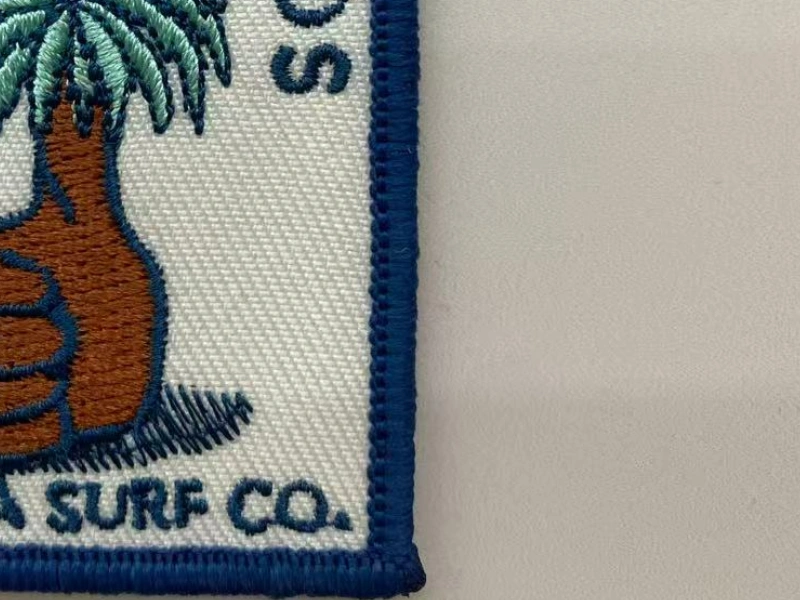
Yes, polyester is the most widely used and balanced option for most commercial embroidery patch applications.
Key Features
- Smooth and flat surface (often twill weave)
- Medium thickness with adjustable structure
- Stable material performance
Advantages
- Excellent for detailed designs and small text
- Clean and sharp embroidery edges
- Highly consistent in mass production
Limitations
- Slightly less premium feel compared to specialty fabrics
- Needle marks may appear if process is not optimized
Typical Applications
- Brand logo patches
- Sportswear and activewear
- Standard uniform patches
👉 Price Level: Medium (best balance of quality and cost)
When Should You Use Woven Base Fabric for Embroidery Patches?
Short Answer:
Use woven base fabric when you need extremely fine detail, small text, or premium brand presentation.

Key Features
- High-density woven structure
- Thin and smooth surface
- High-definition appearance
Advantages
- Perfect for intricate logos and tiny text
- Clean, refined, and premium look
- Can be combined with embroidery for multi-technique patches
Limitations
- Not suitable for heavy, full-coverage embroidery
- Lower structural support
- Higher production cost
Typical Applications
- High-end fashion brands
- Detailed logo patches
- Premium garment labels
👉 Price Level: High (premium solution)
How to Choose the Best Fabric for Embroidery Patches in B2B Projects?
Short Answer:
Match fabric to design complexity, embroidery coverage, and brand positioning.
Practical Selection Guide
- Choose Felt
→ For bold designs, high coverage, and vintage aesthetics - Choose Polyester
→ For most commercial uses requiring clarity, durability, and cost control - Choose Woven Base
→ For high-end branding, fine details, and premium products
Can You Combine Fabrics and Techniques for Better Results?
Short Answer:
Yes—combining fabric with embroidery and edge finishing delivers the best performance.
Professional Insight
In real production, the optimal solution is often:
Fabric Base + Embroidery Technique + Edge Finishing
For example:
- Woven base + partial embroidery → high detail + texture contrast
- Polyester + dense embroidery → durability + clarity
- Felt + bold stitching → strong visual impact
👉 This multi-technique approach is widely used by global brands to balance cost, quality, and design performance.
Conclusion
Choosing the best fabric for embroidery patches is a critical step in product development. Felt, polyester, and woven base fabrics each offer unique advantages depending on the application.
For B2B buyers and brands, the key is not selecting a single “best” option, but creating the right combination of material and technique to achieve consistent quality, strong branding, and scalable production.
About Author
——————————————————————————————————————————————

Jason
Sales Manager
With extensive industry knowledge and a responsible work ethic, I deliver professional guidance and reliable support for every client collaboration.
——————————————————————————————————————————————