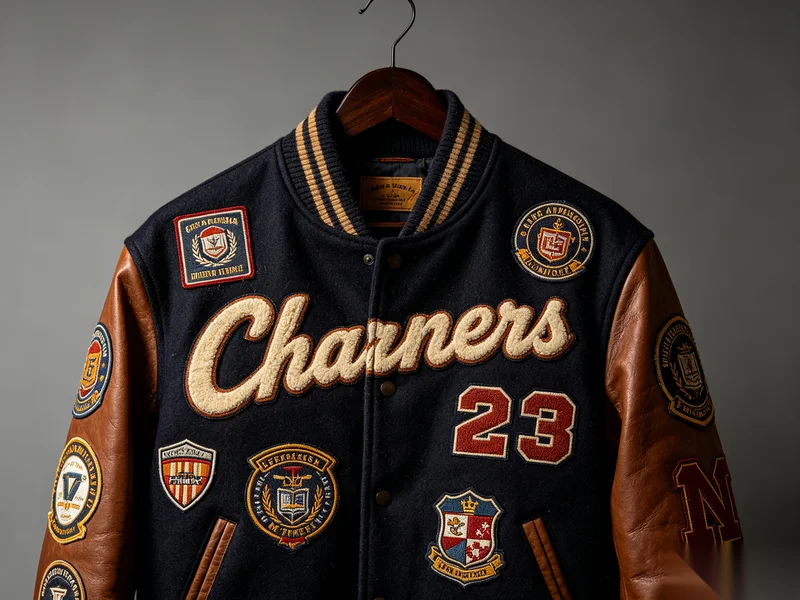
Custom woven fabric labels are textile labels created by weaving threads into designs rather than printing them. They offer superior durability, fine detail, and a premium look, making them ideal for clothing brands that require long-lasting, professional branding in large-scale production.
What Are Custom Woven Fabric Labels?
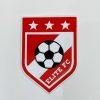
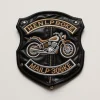
Custom woven fabric labels are labels made by interlacing threads to form text, logos, and designs directly into the fabric. Unlike printed labels, the design becomes part of the material itself.
These labels are widely used in apparel, accessories, and textile products. They are known for their durability and ability to maintain clarity even after repeated washing.
For B2B buyers, custom garment labels are a critical component of product identity, helping brands communicate quality and authenticity.

Why Choose Woven Labels Over Printed Labels?
Choosing woven clothing labels wholesale over printed alternatives offers several advantages.
Woven labels are more durable because the design is woven into the fabric rather than applied on top. This means they resist fading and wear over time.
They also provide a more premium look and feel, which is important for brand perception.
Additionally, damask woven labels allow for finer detail compared to traditional woven techniques, making them suitable for intricate logos and small text.
How Are Woven Fabric Labels Manufactured?
The production of custom woven fabric labels involves a precise weaving process.
First, the design is converted into a digital weaving file. This determines how threads of different colors will interlace to create the final design.
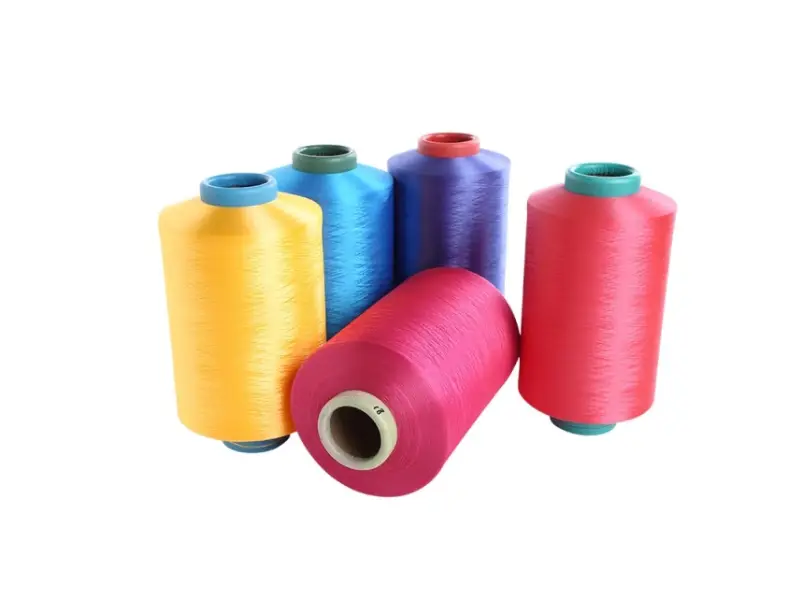
Next, specialized looms weave the label using high-quality threads such as polyester or cotton.
After weaving, labels are cut into shape and finished with different fold options, such as end fold, center fold, or straight cut.
Quality control ensures that all woven clothing labels wholesale meet consistency and durability standards.
What Types of Woven Labels Are Available?
There are several types of custom garment labels to meet different needs.
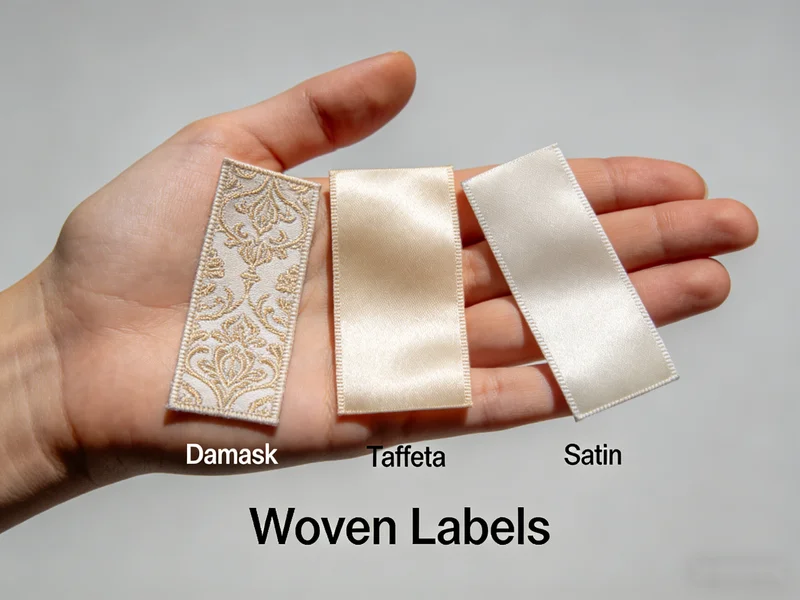
Damask woven labels are the most popular, offering high detail and a soft texture.
Taffeta labels are more affordable but less detailed, often used for care labels.
Satin woven labels provide a smooth and luxurious finish, commonly used in high-end apparel.
Each type can be customized in size, color, and folding style, allowing brands to match their specific requirements.
Where Are Custom Woven Labels Used?
Custom woven fabric labels are used across a wide range of industries.
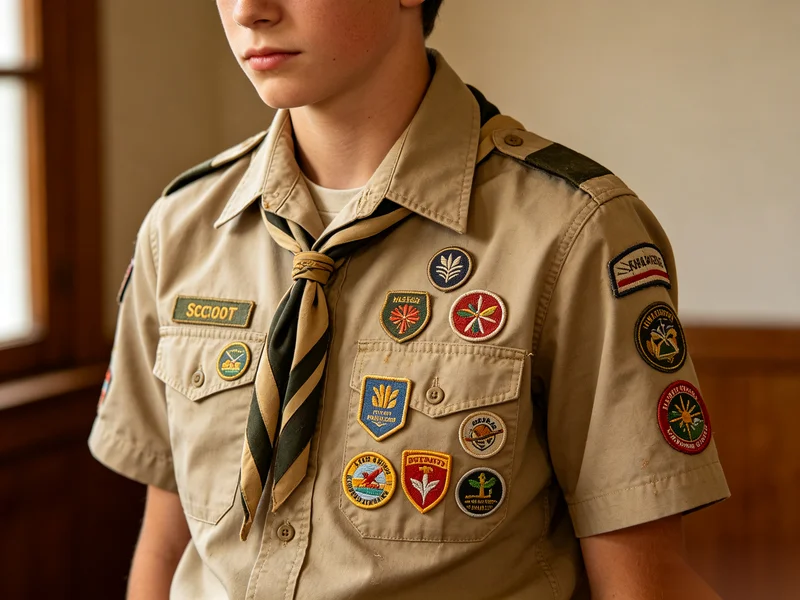
In fashion, they are sewn into garments to display brand names and logos.
Accessories such as bags, hats, and scarves also use woven labels for branding.
Home textiles like bedding and towels often include woven labels for identification.
For B2B buyers, these labels are essential for creating a consistent brand presence across product lines.
What Should Businesses Consider When Ordering Woven Labels?
Before ordering woven clothing labels wholesale, businesses should evaluate several factors.
Design complexity affects the choice of weaving technique. Highly detailed designs are best suited for damask weaving.
Material selection impacts both durability and comfort, especially for labels that touch the skin.
Label size and folding style should align with the garment design and placement.
Order quantity influences pricing, with bulk orders offering better cost efficiency.
Working with experienced manufacturers ensures consistent quality and accurate color reproduction.

How to Design Effective Woven Labels?
Designing damask woven labels requires a balance between detail and clarity.
Use clear and readable fonts, especially for small labels.
Limit the number of colors to maintain sharpness and reduce production complexity.
Ensure the logo is recognizable even at a small size.
Consider how the label will be folded and sewn into the garment.
An optimized design ensures that the final label enhances the overall product.
Why Woven Labels Matter More Than You Think
From a user perspective, woven labels are often overlooked—but they play a significant role in brand perception.
Customers interact with labels every time they wear a product. A high-quality label reinforces trust and professionalism.
For businesses, investing in custom garment labels is not just about compliance—it’s about creating a consistent and premium brand experience.
How to Ensure High-Quality Woven Label Production?
To achieve the best results with custom woven fabric labels, businesses should focus on quality control.
Provide clear and accurate artwork to ensure proper weaving.
Request samples before mass production to verify design and material quality.
Choose high-quality threads to improve durability and appearance.
Work with manufacturers experienced in woven clothing labels wholesale production.
These steps help ensure that every label meets brand standards.
FAQ
What are custom woven fabric labels used for?
They are used for branding and identification in clothing and textile products.
Are woven labels more durable than printed labels?
Yes, woven labels are more resistant to fading and wear.
What is a damask woven label?
It is a high-detail woven label made with fine threads for intricate designs.
Can woven labels be customized?
Yes, they can be customized in size, color, material, and folding style.
What industries use woven labels?
Fashion, accessories, and home textiles commonly use them.
How long does production take?
Typically 1–3 weeks depending on order size and complexity.
Custom woven fabric labels are a fundamental element of professional apparel branding. By combining durability, detail, and a premium appearance, they help businesses create strong brand identities and deliver high-quality products that stand out in competitive markets.
About Author
——————————————————————————————————————————————

Apollo
Senior E-commerce Manager
Apollo is an experienced e-commerce manager specializing in patches, apparel accessories, and digital marketing, helping global textile brands grow with proven online strategies.
——————————————————————————————————————————————