Reflective patches are safety components used in garments to enhance visibility in low-light conditions. The two main types—glass bead and microprismatic—differ in brightness, durability, and cost. Glass bead reflective patches offer soft, wide-angle reflection at a lower cost, while microprismatic reflective patches provide higher brightness, longer visibility distance, and superior durability for professional applications.
What Are the Main Types of Reflective Patches?
Short Answer:
There are two mainstream types of reflective patches used in apparel: glass bead reflective materials and microprismatic reflective materials.
Quick Comparison (Buyer-Oriented)
| Feature | Glass Bead Reflective | Microprismatic Reflective |
|---|---|---|
| Brightness | Medium (70–250 mcd) | Very High (600–1000+ mcd) |
| Visibility Distance | Short to Medium | Long (300m+) |
| Durability | متوسط | Excellent |
| Flexibility | Good | Good (modern versions) |
| Cost | Low | 2–4x higher |
| Best Use | Daily wear, basic safety | Professional, high-visibility garments |
What Is Glass Bead Reflective Material in Reflective Patches?
Short Answer:
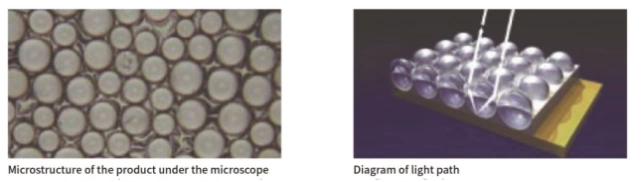
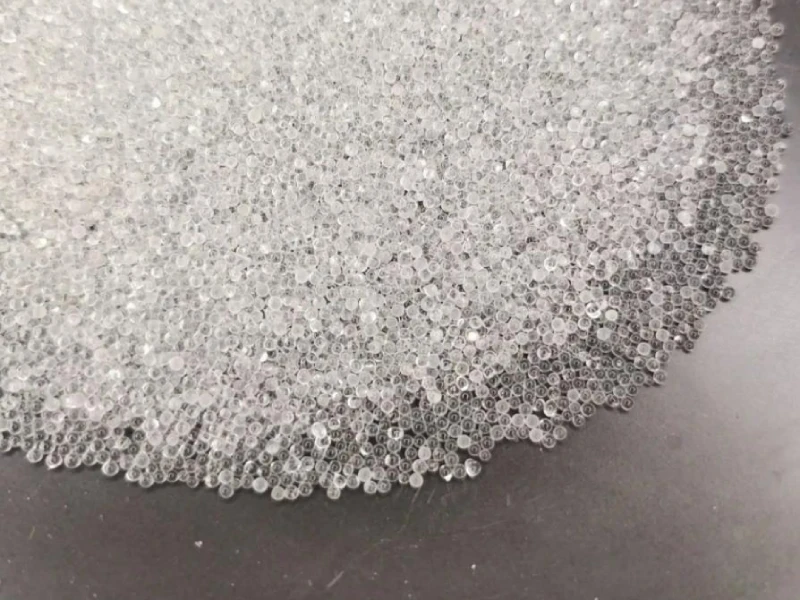
Glass bead reflective patches use tiny glass spheres to refract and reflect light back to the source, creating a soft and wide-angle reflective effect.
1. Core Principle
Glass beads (0.1–1.0mm diameter) work through refraction + retroreflection:
- Light enters the glass bead
- It bends and focuses
- Reflects off a metallic layer at the back
- Returns toward the original light source
👉 This structure acts like millions of micro “lenses + mirrors”.
2. Structure & Manufacturing
- Millions of transparent glass beads embedded in resin coating
- Backside coated with aluminum for enhanced reflection
- Common forms: reflective fabric, reflective tape
3. Performance Characteristics (Apparel Perspective)
Advantages
- Cost-effective and widely used
- Good wide-angle reflectivity (visible from different directions)
- Soft and flexible, suitable for garments and accessories
- Chemically stable (glass = SiO₂, resistant to acids and weather)
Limitations
- Lower brightness compared to advanced materials
- Reflection drops significantly at long distances
- متوسط wash and abrasion resistance (beads may fall off over time)
- Performance decreases in rain or when dirty
4. Typical Applications
- Casual reflective clothing
- Backpacks, hats, shoes
- Standard workwear
- Entry-level safety garments
What Is Microprismatic Reflective Material in Reflective Patches?
Short Answer:
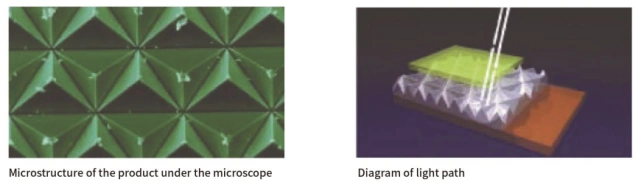
Microprismatic reflective patches use engineered prism structures to reflect light with high intensity and precision, offering superior brightness and durability.
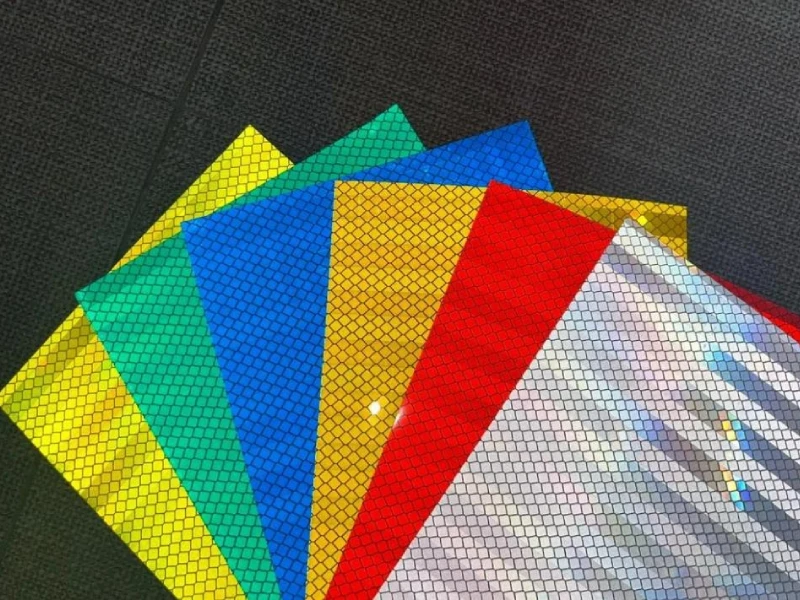
1. Core Principle
Microprismatic materials rely on total internal reflection using cube-corner prisms:
- Light enters micro prism array (50–500μm units)
- Reflects internally across three perpendicular surfaces
- Returns directly to the light source
👉 No metal coating required, ensuring long-term performance.
2. Structure & Manufacturing
- Precision-molded polymer prism arrays (PC, PMMA, PET)
- Integrated structure (no bead shedding)
- Available in high-intensity and diamond-grade levels
3. Performance Characteristics (Apparel Perspective)
Advantages
- Extremely high brightness (3–5x glass bead)
- Excellent long-distance visibility (300m+)
- Superior durability (washable, abrasion-resistant, UV-resistant)
- Modern versions offer improved softness and flexibility
Limitations
- Higher cost (2–4 times glass bead materials)
- Earlier versions had angle sensitivity (largely improved in new designs)
4. Typical Applications
- High-visibility safety garments
- Police, traffic, and emergency uniforms
- Professional outdoor apparel
- Cycling gear and performance wear
- Premium industrial workwear
How to Choose the Right Reflective Patches for Your Apparel?
Short Answer:
Choose based on budget, required visibility level, durability needs, and end-use environment.
Selection Guide for B2B Buyers
Choose Glass Bead Reflective Patches if:
- You need cost-effective solutions
- Products are for daily or casual use
- Soft and uniform reflection is preferred
- Standard durability is acceptable
Choose Microprismatic Reflective Patches if:
- High visibility and safety compliance are required
- Products are used in low-light or hazardous environments
- Long lifespan and wash resistance are critical
- Targeting premium or professional markets
Why Reflective Patches Are Critical in Modern Apparel Manufacturing?
Short Answer:
They enhance safety, increase product value, and meet regulatory requirements in many industries.
Industry Insight
For global brands and manufacturers, reflective patches are no longer optional—they are a functional and regulatory necessity in categories like:
- Workwear and PPE
- Outdoor performance apparel
- Transportation and logistics uniforms
Combining reflective materials with other processes (such as embroidery, printing, or heat transfer) allows manufacturers to create multi-functional patches that balance branding, safety, and durability.
Conclusion
Glass bead and microprismatic materials each play an important role in reflective patches. While glass bead offers affordability and flexibility, microprismatic technology delivers unmatched brightness, durability, and long-distance visibility.
For B2B apparel manufacturers and brands, selecting the right reflective patch solution depends on balancing cost, performance, and application requirements.
About Author
——————————————————————————————————————————————

Vicky
Sales Manager
Hi, I’m Vicky,.With extensive industry experience and a well-rounded skill set, I excel in both team collaboration and customer service, always maintaining professionalism and efficiency to ensure the best client experience.
——————————————————————————————————————————————