Bag tags are identification or branding labels attached to bags such as luggage, backpacks, or promotional items. They help businesses improve product recognition, enhance brand visibility, and provide practical identification solutions, making them a valuable accessory for travel, retail, and corporate applications.
What Are Bag Tags?
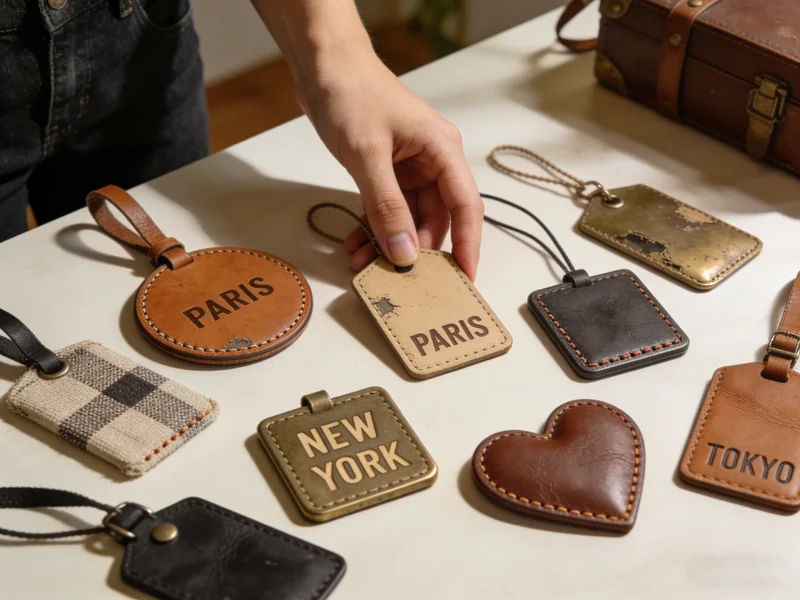
Bag tags are functional and decorative labels attached to bags for identification, branding, or informational purposes. They are commonly used on luggage, backpacks, travel bags, and retail products.
For businesses, custom bag tags serve as both a branding tool and a practical feature. They can display logos, contact details, or product information, helping users easily identify their belongings while promoting the brand.
These tags come in various forms, from simple printed labels to premium embossed or molded designs, depending on the target market and application.

Why Do Businesses Use Bag Tags?
Bag tags provide multiple benefits that make them essential for many industries.
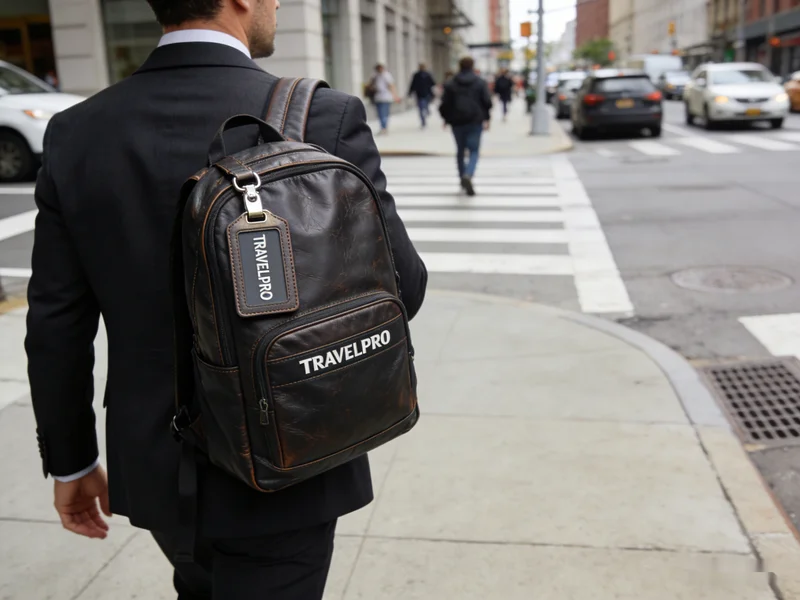
One of the key advantages is brand exposure. Since bags are used in public environments such as airports, offices, and daily commuting, branded bag tags act as mobile advertisements.
They also improve identification. In travel scenarios, luggage bag tags help users quickly locate their bags and reduce the risk of loss or confusion.
Additionally, bag tags enhance perceived product value. A well-designed tag can elevate the overall look of a product, especially in retail and promotional settings.
For B2B buyers, they offer a cost-effective way to combine functionality with branding.

What Types of Bag Tags Are Available?
There are several types of bag tags, each suited to different business needs.
Luggage tags are designed for travel and typically include space for personal information. They are built for durability and frequent handling.
Branding tags focus on logo display and are often used in retail products or promotional giveaways.
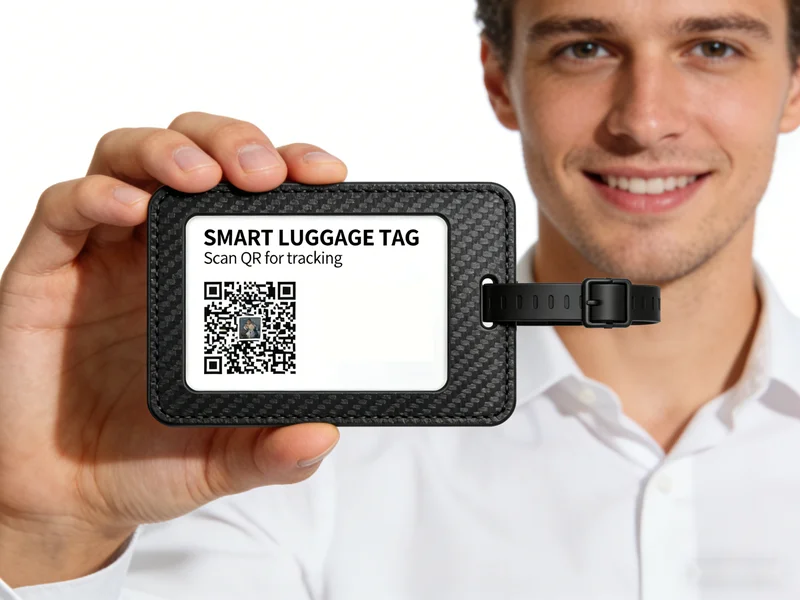
Smart or RFID tags are used in advanced applications such as logistics and tracking, offering additional functionality.
Decorative tags are commonly used in fashion products, where aesthetics and design play a key role.
Each type of custom bag tags can be customized in terms of size, shape, and material.
How Are Custom Bag Tags Manufactured?
The production process for branded bag tags depends on the material and design requirements.
It begins with design development, where the logo, text, and layout are finalized. Next, materials are selected based on durability, flexibility, and appearance.
Common manufacturing methods include:
- Injection molding for PVC or silicone tags
- Die-cutting for leather or fabric tags
- Printing, embossing, or debossing for branding details
After production, straps or loops are added to allow easy attachment to bags. Quality control ensures consistency across bulk orders.
When Should Businesses Use Bag Tags?
Bag tags are widely used in various industries and scenarios.
They are essential in the travel industry, where luggage bag tags provide identification and security for passengers.
Retail brands use them to enhance product presentation and reinforce branding.
They are also effective in promotional campaigns, where custom bag tags are distributed as practical giveaways that increase brand visibility.
In corporate environments, bag tags can be used for employee identification or event management.
What Materials Are Best for Bag Tags?
Material selection is an important factor in the performance and appearance of bag tags.
PVC and plastic are durable and cost-effective, making them suitable for large-scale production.
Leather offers a premium and sophisticated look, often used for high-end products.
Silicone is flexible and water-resistant, ideal for outdoor and travel applications.
Fabric tags are lightweight and customizable, often used for casual or fashion products.
The choice of material should align with the intended use and brand positioning.
How to Design Effective Bag Tags?
Design plays a crucial role in the success of branded bag tags.
A clear and recognizable logo is essential for branding. Simplicity helps ensure visibility and readability.
Color contrast improves identification, especially in crowded environments like airports.
The size and shape should match the type of bag and its usage. Larger tags are easier to spot, while smaller ones are more subtle.
Additional features such as writable areas, QR codes, or protective covers can enhance functionality.
What Should B2B Buyers Consider Before Ordering?
Before ordering custom bag tags, businesses should evaluate several key factors.
Order quantity affects cost, with bulk production offering better pricing.
Durability requirements should match the intended use, especially for travel or heavy-duty applications.
Attachment methods should be secure and easy to use.
Lead time and supplier reliability are important for meeting deadlines.
Consistency in quality ensures that all tags meet branding standards across large orders.
FAQ
What are bag tags used for?
They are used for identification, branding, and decoration on various types of bags.
Can bag tags be customized?
Yes, they can be fully customized in terms of size, shape, material, and design.
What is the best material for luggage bag tags?
Durable materials like PVC, silicone, or leather are commonly used for travel applications.
Are bag tags effective for promotions?
Yes, they are practical items that provide long-term brand exposure.
How long does production take?
Typically 1–3 weeks depending on design and order quantity.
Can bag tags include advanced features?
Yes, options such as QR codes or RFID technology can be integrated.
Bag tags are a versatile and practical solution for businesses looking to enhance branding and functionality. Whether used for travel, retail, or promotional purposes, custom bag tags provide a cost-effective way to increase brand visibility while delivering real value to end users.
About Author
——————————————————————————————————————————————

Apollo
Senior E-commerce Manager
Apollo is an experienced e-commerce manager specializing in patches, apparel accessories, and digital marketing, helping global textile brands grow with proven online strategies.
——————————————————————————————————————————————