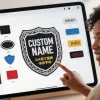
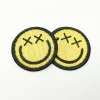
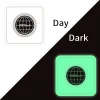
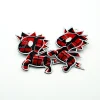
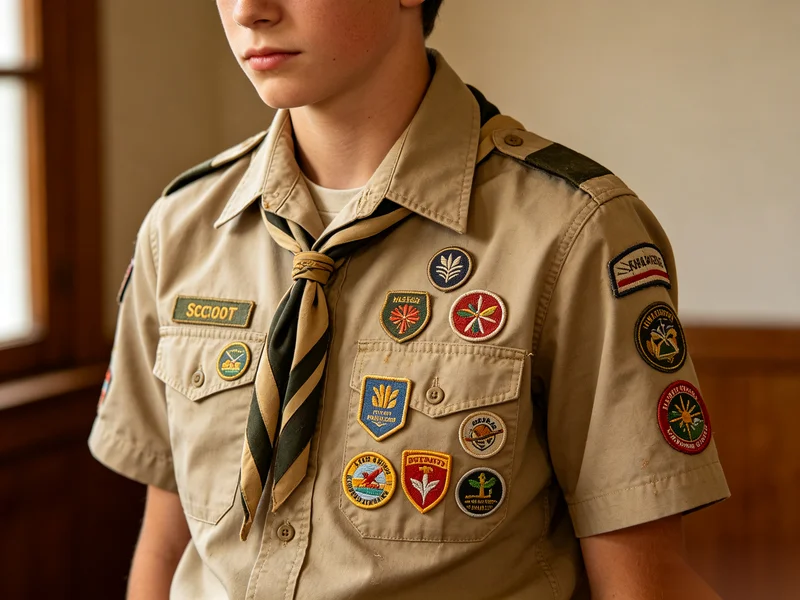
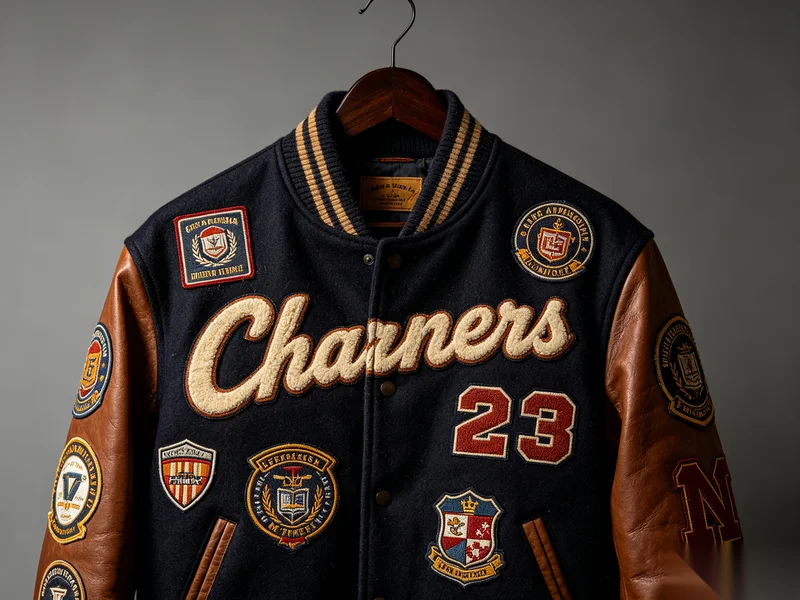
The best fabric selection for custom patches depends on your application, budget, and brand positioning. Felt is low-cost and dimensional, Lycra offers flexibility for performance wear, twill provides durability for workwear, and woven label fabric delivers the highest colorfastness and premium branding quality for long-term use.
What Are the Most Common Fabrics Used for Custom Patches?
Short Answer:
The four most common fabrics are felt, Lycra (spandex), twill, and woven label fabric—each offering different performance levels in durability, colorfastness, and application.
Quick Comparison Table (B2B Buyer Reference)
| Fabric Type | Cost | Durability | Colorfastness | Detail Capability | Best For |
|---|---|---|---|---|---|
| Felt | Low | Low–Medium | Low | Low | Crafts, decorative patches |
| Lycra | Medium | Medium | Medium | Medium | Sportswear patches |
| Twill | Medium | High | Medium–High | Good | Workwear, uniforms |
| Woven Label Fabric | High | Very High | Excellent | Very High | Premium branding |
What Is Felt Fabric in Custom Patches?
Short Answer:
Felt is a compressed fiber fabric with a soft texture, commonly used for low-cost and decorative patches.
Features
- Made from pressed fibers (polyester or wool)
- Loose structure with a fuzzy surface
Advantages
- Low cost, ideal for bulk production
- բնական thickness allows for dimensional or layered designs
Limitations
- Poor colorfastness, especially under friction
- Not suitable for detailed logos or premium branding
- Lower durability compared to woven or twill fabrics
Typical Applications
- Crafts and DIY patches
- Decorative accessories
- Low-end garment trims
Why Use Lycra Fabric for Custom Patches?
Short Answer:
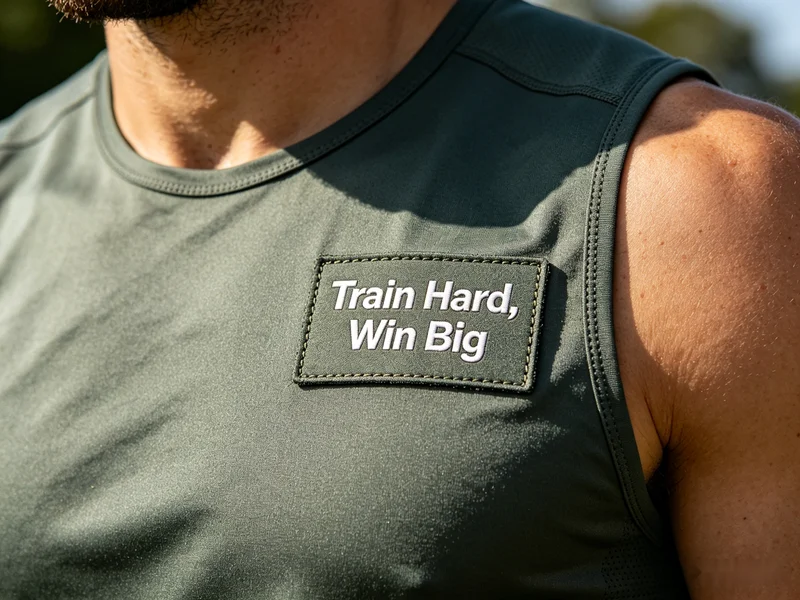
Lycra is ideal for stretchable garments where flexibility and comfort are essential.
Features
- High-elasticity fabric, usually blended with other fibers
- Smooth surface with strong stretch recovery
Advantages
- Excellent flexibility and comfort
- Suitable for performance and activewear
- Adapts well to body movement
Limitations
- Medium colorfastness depending on dyeing process
- Long-term stretching may affect color stability
- Not ideal for rigid or structured patch designs
Typical Applications
- Sportswear patches
- Compression garments
- Functional apparel branding
How Does Twill Fabric Perform in Custom Patches?
Short Answer:
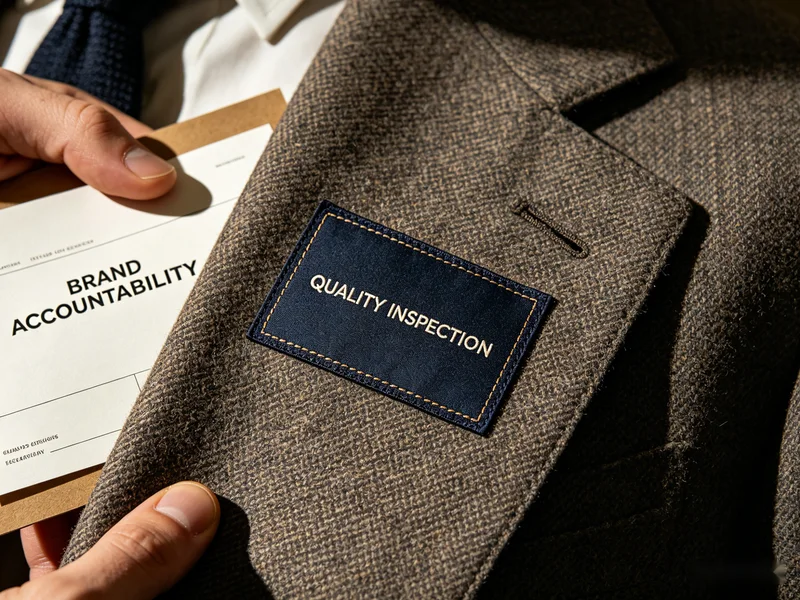
Twill is a durable and cost-effective fabric widely used for embroidered patches and workwear applications.
Features
- Distinct diagonal weave pattern (similar to denim)
- Typically cotton or polyester blends
Advantages
- High strength and abrasion resistance
- Balanced cost-performance ratio
- Good base for embroidery and printing
Limitations
- Medium to high colorfastness (better than cotton, lower than polyester)
- Dark colors may still fade over time
Typical Applications
- Workwear and uniforms
- Denim products
- Standard embroidered patch backing
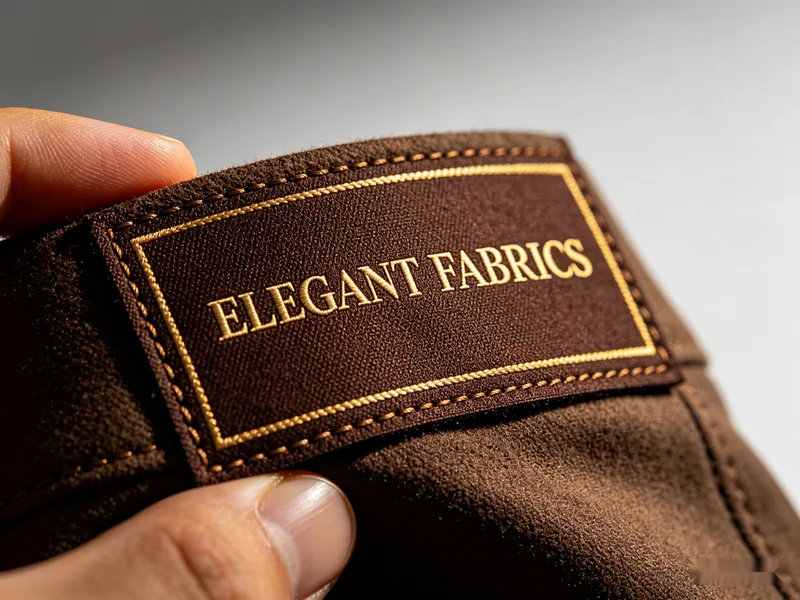
Why Is Woven Label Fabric the Best Choice for Premium Custom Patches?
Short Answer:
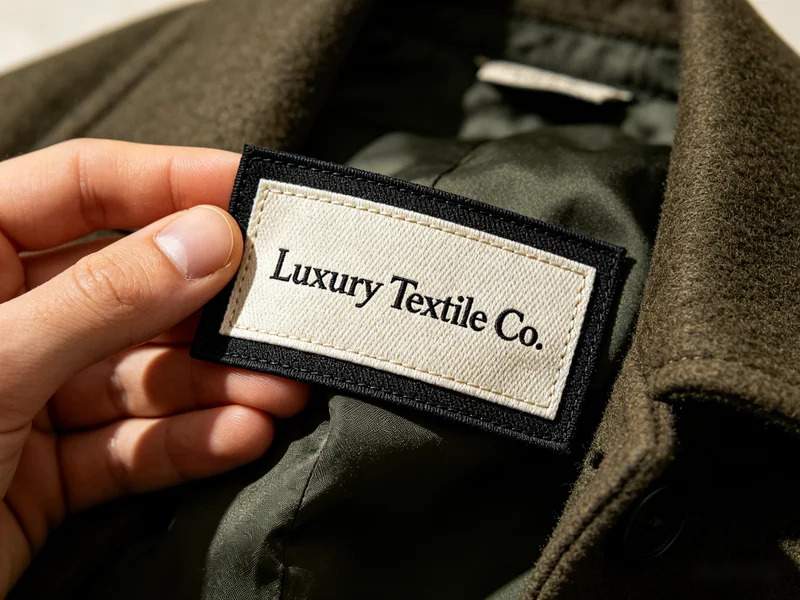
Because it offers the highest precision, durability, and colorfastness, making it ideal for brand-focused applications.
Features
- Patterns are woven directly using yarn (not printed)
- Typically made from polyester fibers
Advantages
- ⭐ Best colorfastness (color comes from dyed yarn)
- Resistant to washing, abrasion, and fading
- High-definition detail, perfect for logos and small text
- Professional and premium appearance
Limitations
- Higher cost compared to other fabrics
- More complex and longer production process
Typical Applications
- Brand labels and logo patches
- High-end apparel and sportswear
- Long lifecycle products requiring durability
How to Choose the Right Fabric Selection for Custom Patches?
Short Answer:
Match fabric type with product positioning, durability requirements, and branding needs.
B2B Selection Guide
- Choose Felt → for low-cost, decorative, or promotional patches
- Choose Lycra → for stretch garments and performance apparel
- Choose Twill → for durable, cost-effective workwear patches
- Choose Woven Label Fabric → for premium branding, fine details, and long-term use
Why Fabric Selection Matters in Custom Patch Manufacturing?
Short Answer:
Fabric directly impacts product durability, brand perception, and production consistency.
Professional Insight
For manufacturers and global brands, fabric selection for custom patches is not just a material decision—it affects:
- Logo clarity and brand identity
- Product lifespan and wash performance
- Customer perception of quality
- Compatibility with different patch techniques (embroidery, printing, heat transfer)
Combining the right fabric with the right technique (e.g., woven + embroidery, twill + print) enables multi-technique patch solutions that meet both aesthetic and functional requirements.
Conclusion
Each fabric type serves a different purpose in custom patch production. Felt and Lycra are suitable for specific functional or low-cost needs, while twill offers a strong balance of durability and affordability. For premium applications, woven label fabric remains the top choice due to its superior detail and long-lasting performance.
For B2B buyers, the key is aligning fabric selection with end-use, budget, and brand positioning to ensure scalable and consistent production quality.
About Author
——————————————————————————————————————————————

Heidi
Sales Manager
Hi, I’m Heidi, Sales Manager. Known for professionalism and efficiency, I am often recognized as the top sales performer. I believe expertise and dedication build lasting trust with clients.
——————————————————————————————————————————————