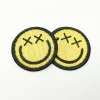
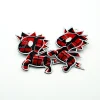
Heat transfer print is a printing method where designs are applied to materials using heat and pressure. It allows high-quality, detailed graphics to be transferred onto fabrics or surfaces, making it ideal for custom apparel, patches, and large-scale production in B2B manufacturing.
What Is Heat Transfer Print?
Heat transfer print is a widely used printing technique where a design is first printed onto a transfer medium and then applied to a substrate—such as fabric—using heat and pressure.
This method is highly versatile and supports complex designs, including gradients, detailed images, and multiple colors. Compared to traditional printing, custom heat transfer printing offers greater flexibility and precision.
For businesses, it is commonly used in apparel production, promotional products, and patch manufacturing.
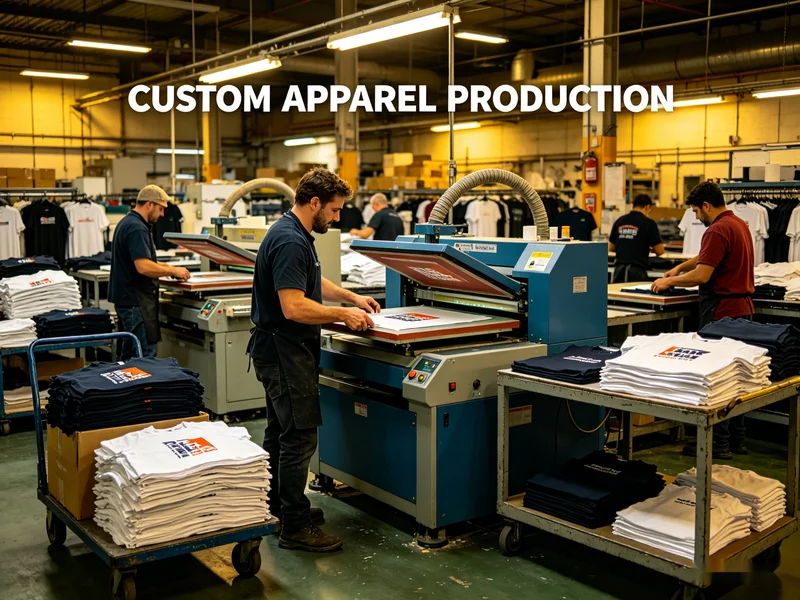
How Does the Heat Transfer Printing Process Work?
The heat transfer printing process involves several key steps.
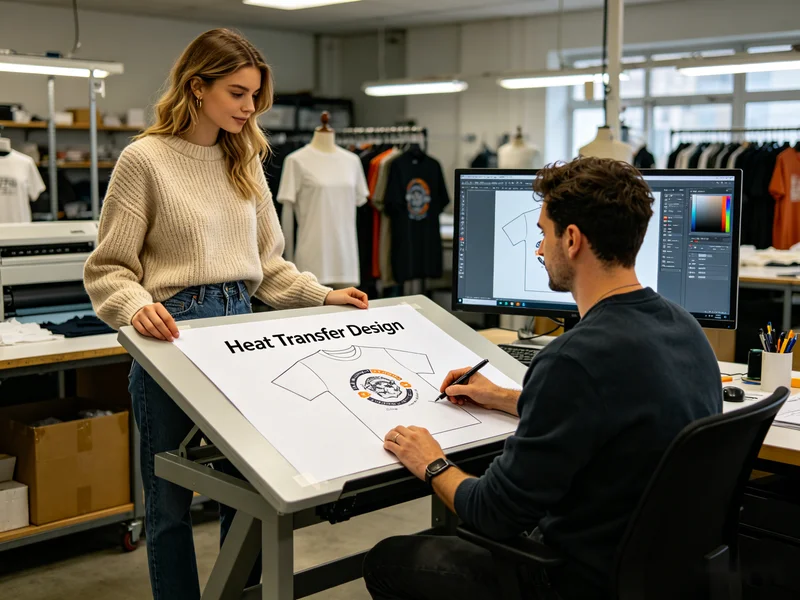
First, the design is created digitally and printed onto a special transfer paper or film using inks designed for heat activation.
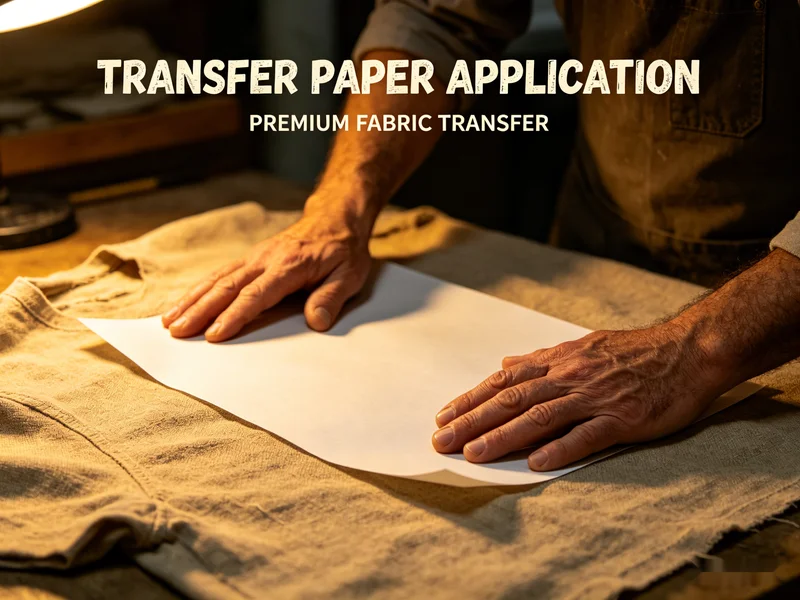
Next, the transfer is placed onto the target material, such as a garment or patch base.
A heat press machine is then used to apply controlled heat and pressure. This activates the adhesive or ink, transferring the design onto the surface.
After cooling, the transfer medium is removed, leaving the printed design securely bonded to the material.
This process ensures consistent and repeatable results, especially in bulk production.
Why Choose Heat Transfer Print for Business Applications?
For B2B buyers, heat press printing offers several advantages.
One of the main benefits is design flexibility. It allows for high-resolution images and intricate details that may not be possible with embroidery.
It is also cost-effective for small to medium production runs, as it does not require expensive setup like screen printing.
Speed is another advantage. The process is fast and suitable for on-demand production.
Additionally, it works well across various materials, making it a versatile option for different product categories.
What Materials Can Be Used with Heat Transfer Printing?
Custom heat transfer printing can be applied to a wide range of materials.
Fabrics such as cotton, polyester, and blends are the most common, especially in apparel manufacturing.
It can also be used on leather, synthetic materials, and certain plastics, depending on the transfer type.
In patch production, heat transfer printing is often used to create detailed designs on fabric bases before further processing.
Choosing the right material ensures optimal adhesion and durability.
Heat Transfer Print vs Other Printing Methods
When comparing heat transfer print with other methods, each has its strengths.
Screen printing is more cost-effective for very large runs but less flexible for complex designs.
Embroidery provides a textured and premium look but is not suitable for detailed images or gradients.
Digital printing allows for high detail but may not offer the same durability as heat transfer in some cases.
For many applications, heat transfer printing offers the best balance between quality, flexibility, and cost.
When Should Businesses Use Heat Transfer Printing?
Heat transfer printing process is ideal for various business scenarios.
It is commonly used in custom apparel production, especially for short runs or personalized items.
Promotional products benefit from its ability to quickly produce branded items.
Patch manufacturers use it to create detailed designs that are later cut and finished.
It is also suitable for seasonal or limited-edition collections where flexibility is important.
What Should B2B Buyers Consider Before Ordering?
Before choosing heat press printing, businesses should evaluate several factors.
Design complexity is important, as highly detailed designs benefit most from this method.
Material compatibility should be checked to ensure proper adhesion.
Durability requirements vary depending on the product’s intended use.
Order quantity affects cost efficiency, with this method being ideal for small to medium runs.
Working with an experienced supplier ensures consistent quality and reliable production.
How to Ensure High-Quality Heat Transfer Prints?
To achieve the best results with custom heat transfer printing, proper process control is essential.
Using high-quality transfer materials ensures better color and durability.
Accurate temperature, pressure, and timing settings are critical for consistent results.
Testing samples before full production helps identify potential issues.
Quality control checks should include color accuracy, adhesion strength, and overall finish.
These steps help maintain high standards in B2B production.
FAQ
What is heat transfer print used for?
It is used for applying designs to fabrics, apparel, and patches using heat and pressure.
Is heat transfer printing durable?
Yes, when applied correctly, it offers strong adhesion and long-lasting results.
Can heat transfer printing handle complex designs?
Yes, it is ideal for detailed graphics, gradients, and multi-color designs.
What materials are best for heat transfer printing?
Cotton, polyester, and blended fabrics work best.
Is heat transfer printing cost-effective?
It is cost-effective for small to medium production runs.
How long does production take?
Typically 1–2 weeks depending on order size and customization.
Heat transfer print is a versatile and efficient solution for modern manufacturing needs. By combining high-quality output with flexible production capabilities, it enables businesses to create customized, detailed, and scalable products that meet the demands of today’s competitive market.
About Author
——————————————————————————————————————————————

Apollo
Senior E-commerce Manager
Apollo is an experienced e-commerce manager specializing in patches, apparel accessories, and digital marketing, helping global textile brands grow with proven online strategies.
——————————————————————————————————————————————