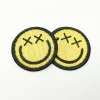
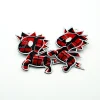
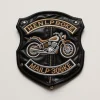
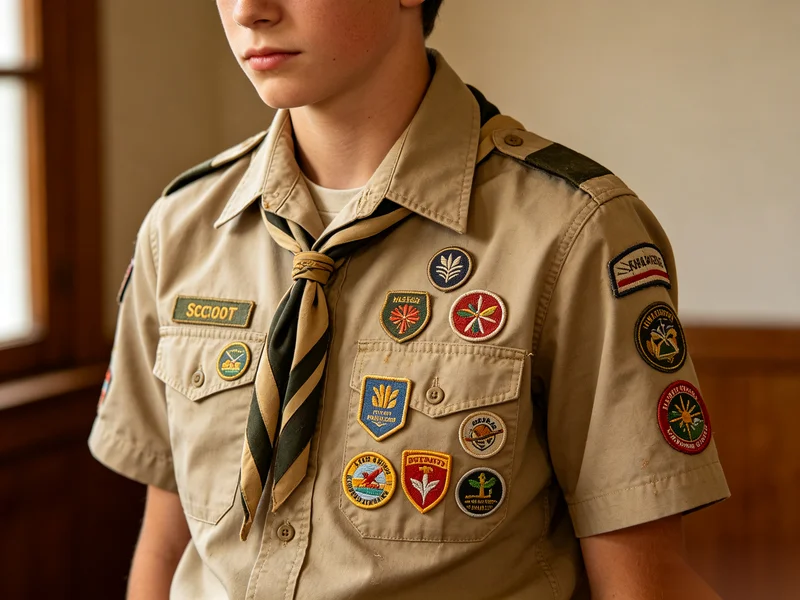
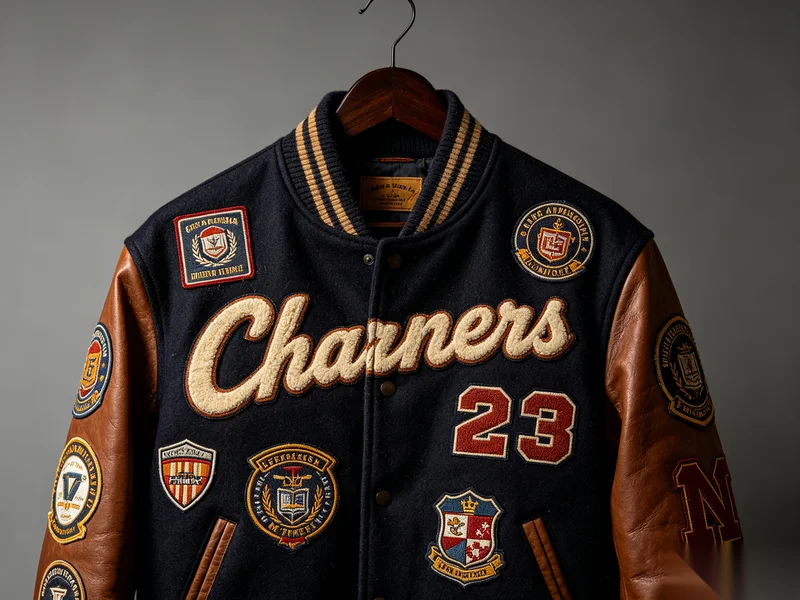
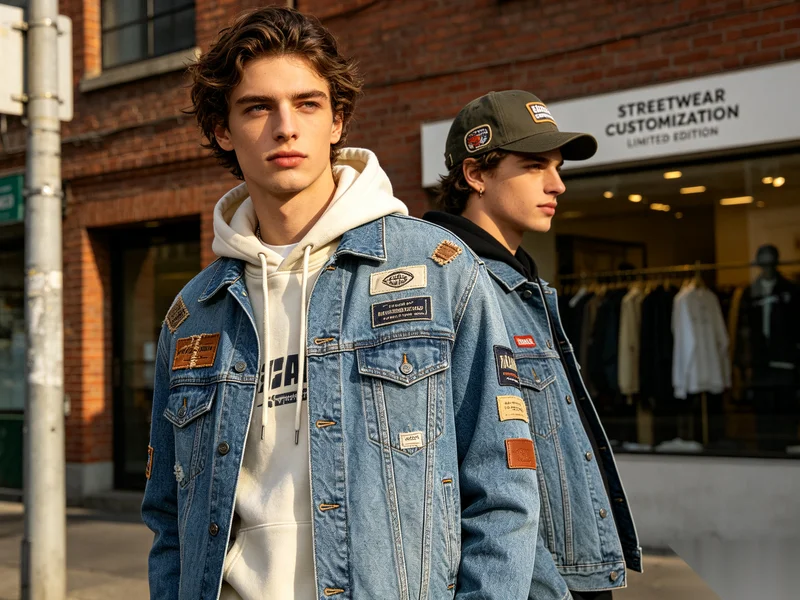
Double shuttle weaving is recommended when woven labels require a heavier texture, stronger structure, and more pronounced visual depth. By using thicker warp and weft yarns with higher weaving density, this technique enhances logo presence and premium perception, especially for denim, workwear, and heritage-style garments.
What Is Double Shuttle Weaving in Woven Labels?
Double shuttle weaving refers to a woven label technique that uses:
- Thicker yarns
- Higher yarn density
- Heavier overall fabric weight
Compared to standard woven labels, double shuttle weaving produces a denser, more dimensional label with increased tactile weight and visual impact.
This technique is not about increasing size—it is about increasing substance.
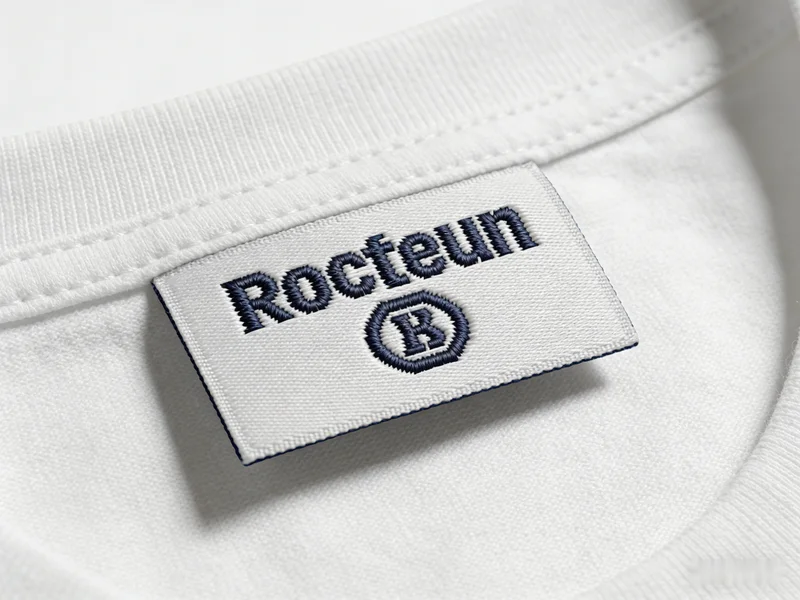
Why Do Brands Choose Double Shuttle Weaving?
Short Answer
Because some brands need their labels to feel as strong as their identity.
Detailed Explanation
In many apparel categories, labels are not just information carriers—they are part of the brand story. Double shuttle weaving is chosen when:
- A flat, lightweight label feels visually weak
- The brand positioning requires heritage, durability, or authenticity
- The label must visually anchor the garment
By increasing yarn thickness and weaving weight, the label gains:
- More depth
- More contrast
- A stronger presence on the garment
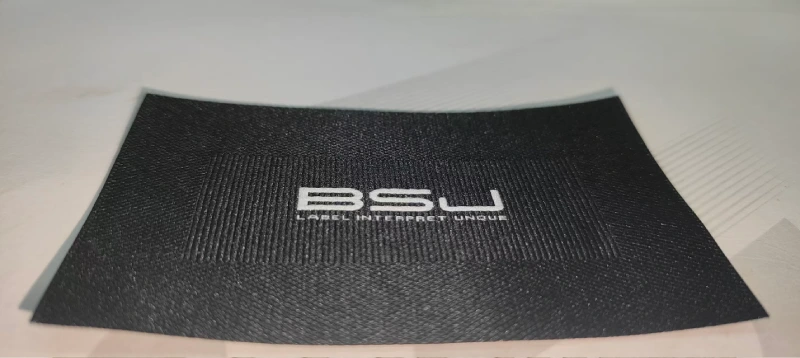
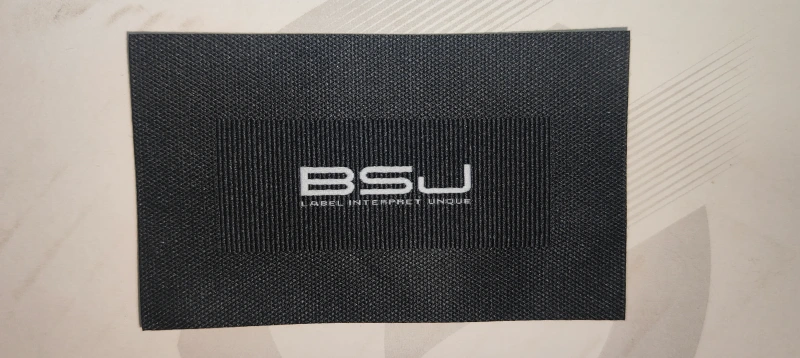
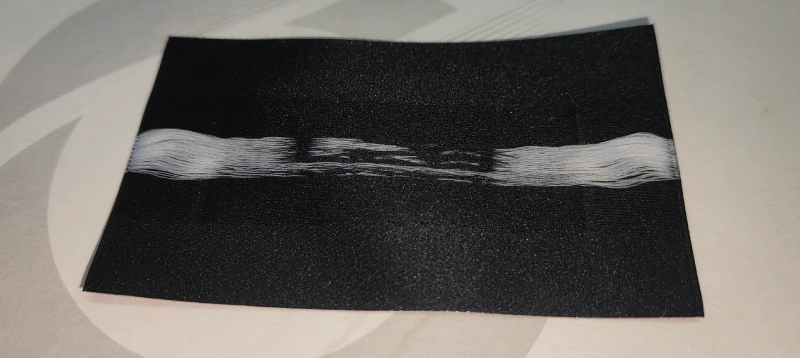
Which Types of Brands Benefit Most from Double Shuttle Weaving?
Double shuttle weaving is particularly suitable for:
1. Denim Brands
Heavy fabrics pair naturally with heavier labels. A lightweight woven label often feels mismatched on denim.
2. Workwear & Utility Apparel
Garments designed for durability should carry labels that visually reinforce strength and function.
3. Vintage / Heritage Styles
Double shuttle weaving enhances retro aesthetics and craftsmanship-driven design.
4. Outdoor & Military-Inspired Fashion
These styles benefit from labels that look rugged, structured, and long-lasting.
5. American, Japanese, and Military Aesthetic Brands
Markets that value texture, detail, and material honesty often prefer heavier woven labels.
Does a Woven Label Have to Be Fully Double Shuttle?
No—and this is a critical design insight.
Many brands apply double shuttle weaving only to specific areas, such as:
- Logo outlines
- Brand names
- Key symbols or icons
Why Partial Double Shuttle Weaving Works
- Highlights the logo more effectively
- Adds depth without increasing overall stiffness
- Controls cost and comfort
This selective application creates visual hierarchy, guiding attention exactly where the brand wants it.
What Are the Trade-Offs of Double Shuttle Weaving?
While double shuttle weaving offers strong visual and tactile advantages, it is not suitable for every garment type.
Key Limitation: Backside Thickness
Because of thicker yarns:
- The backside of the label becomes denser
- Yarn floats are more substantial
Not Recommended For
- Underwear
- Activewear
- Lightweight fabrics
- Garments worn directly against sensitive skin
In these cases, comfort outweighs visual weight.
How to Decide: Double Shuttle or Standard Weaving?
Ask These Questions
- Is the garment fabric heavy or structured?
- Does the brand emphasize durability or heritage?
- Is the label exposed and highly visible?
- Will the label touch bare skin for long periods?
If the first three are “yes” and the last is “no,” double shuttle weaving is likely the right choice.
FAQ: Double Shuttle Weaving for Woven Labels
Q: Is double shuttle weaving stronger than standard weaving?
Yes. The higher yarn density increases structural strength and wear resistance.
Q: Does double shuttle weaving always increase cost?
Typically yes, due to heavier yarn usage and longer weaving time—but the visual return often justifies it for premium brands.
Q: Can double shuttle weaving be combined with other techniques?
Yes. It can be combined with damask weaving, satin finishes, or selective density control.
Conclusion: Use Weight with Purpose
Double shuttle weaving is not about making a label “thicker for the sake of thickness.”
It is about matching material language to brand identity.
When used correctly—especially in denim, workwear, and heritage apparel—it transforms a woven label from a functional detail into a brand-defining element.
Choosing double shuttle weaving means choosing intentional weight, depth, and presence—and knowing exactly when those qualities matter most.
About Author
——————————————————————————————————————————————

Vicky
Sales Manager
Hi, I’m Vicky,.With extensive industry experience and a well-rounded skill set, I excel in both team collaboration and customer service, always maintaining professionalism and efficiency to ensure the best client experience.
——————————————————————————————————————————————