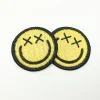
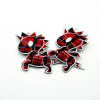
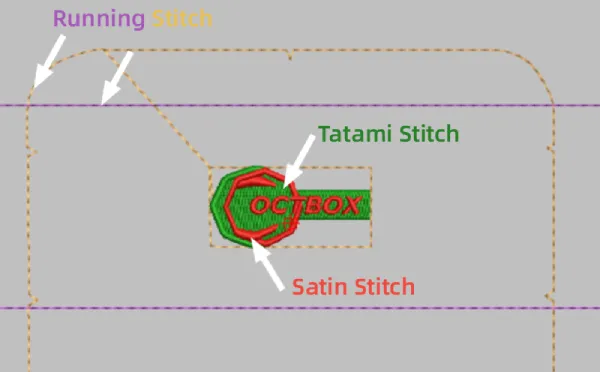
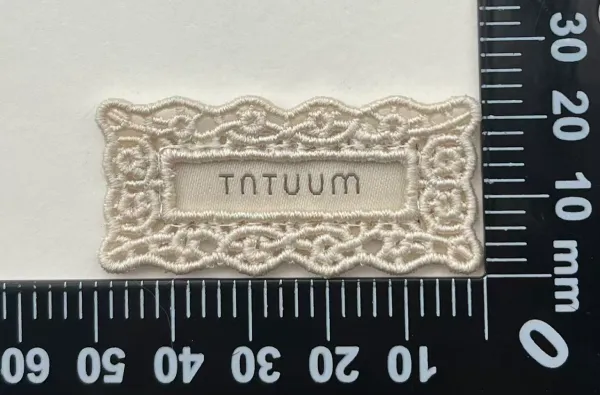
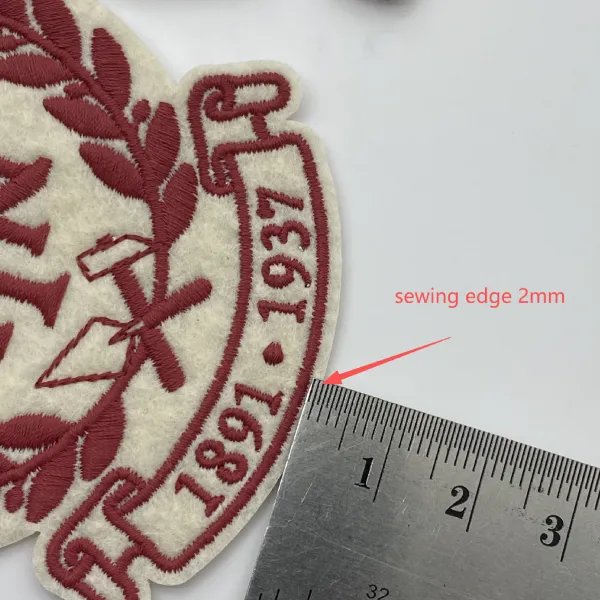
Two custom patches can look almost identical but have very different prices because of differences in material, manufacturing process, mold requirements, design complexity, and durability. The best option is not always the cheapest or most expensive. It is the one that matches your product positioning, budget, and intended use.
What Determines the Price of Custom Patches?
When comparing patches price quotes, buyers should look beyond appearance. A small difference in material or production method can affect the final cost, feel, durability, and visual quality of a patch.
Here are the main factors to compare:
| Cost Factor | What to Check | Why It Matters |
|---|---|---|
| Material | PVC, silicone, TPU, embroidery thread, or transfer film | Materials have different costs and performance characteristics |
| Manufacturing process | Molding, embroidery, printing, or heat transfer | Each process requires different equipment and production steps |
| Design complexity | Fine lines, small text, gradients, and multiple colors | Complex designs may require more setup or specialized production |
| Mold and setup costs | Whether a mold, screen, or digitized embroidery file is needed | Initial costs may be spread across the order quantity |
| Size and thickness | Overall dimensions and material volume | Larger or thicker patches generally use more material |
| Order quantity | Sample order versus bulk production | Fixed setup costs are distributed across more pieces in larger orders |
| Quality requirements | Color consistency, edge finish, adhesion, and durability | Tighter specifications may require additional process control and testing |
Understanding these factors helps buyers compare quotations fairly rather than choosing a supplier based on unit price alone.
1. Silicone vs. PVC vs. TPU: Similar Appearance, Different Materials
Silicone, PVC, and TPU are often used to create dimensional logos and flexible branding elements. Although their finished products may look similar in a catalog photo, they differ in material properties, production requirements, and overall appearance.
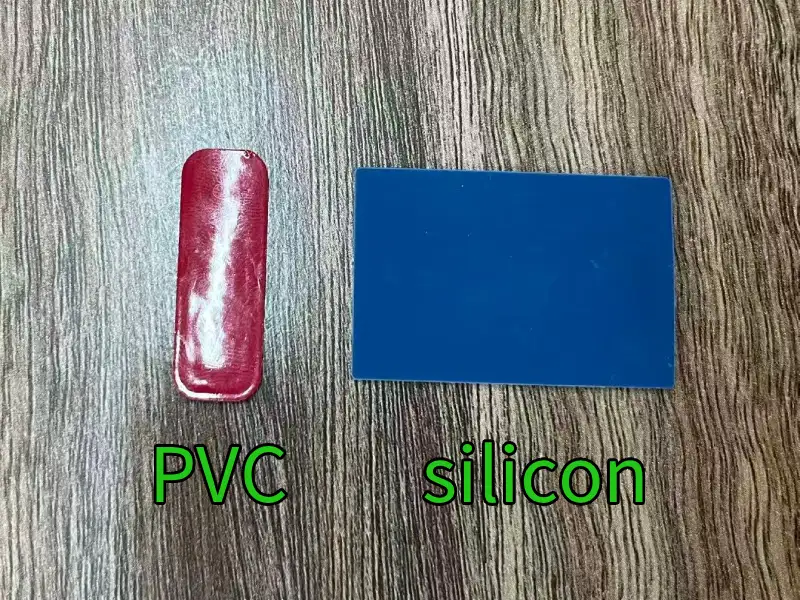
PVC Patches: A Practical Option for Cost-Conscious Projects
PVC patches are commonly used for outdoor gear, bags, uniforms, accessories, and products that need a molded, dimensional logo.
Depending on the formulation and design, PVC can offer good flexibility, color consistency, and resistance to everyday wear. It is often a cost-effective choice for brands that want a raised logo without the higher material or specification costs associated with some alternatives.
However, PVC formulations vary. Flexibility, low-temperature performance, and long-term aging depend on the material composition and manufacturing quality. Buyers should not assume that every PVC patch will become brittle or develop surface residue over time, but they should confirm that the selected formulation suits the intended environment.
Best suited for: Projects where dimensional appearance, color options, and cost control are important.

Silicone Patches: Soft Touch and Flexible Performance
Silicone patches are valued for their soft feel, flexibility, and ability to maintain performance across a broad temperature range when properly formulated. They are used in sportswear, outdoor apparel, accessories, and premium product branding.
Their production typically requires a dedicated mold, so tooling costs can make small orders less economical. For larger production runs, however, those initial costs can be distributed across more pieces.
Silicone is not automatically the best choice for every product. The required softness, thickness, bonding method, and garment compatibility should all be evaluated before production.
Best suited for: Sportswear, performance apparel, and brands seeking a soft-touch, dimensional finish.

TPU Patches: Lightweight and Detail-Oriented
Thermoplastic polyurethane (TPU) is used for flexible branding components where lightweight construction and precise visual details are important. Depending on the material grade and production method, TPU can support thin profiles, sharp edges, and clean logo details.
This makes it attractive for technical apparel, athleisure, performance gear, and contemporary brands that want a sleek, modern appearance.
The final result depends on the specific TPU formulation, thickness, finishing process, and application method. Buyers should confirm that the material and bonding system are compatible with the garment fabric and care requirements.
Best suited for: Lightweight apparel, technical designs, and logos that require a clean, precise finish.

How Should You Compare Their Prices?
| Feature | PVC | Silicone | TPU |
|---|---|---|---|
| Typical cost positioning | Often more economical | Can involve higher material and tooling costs | Depends on grade and process |
| Appearance | Molded, dimensional | Soft, dimensional | Often thin and precise |
| Flexibility and feel | Varies by formulation | Commonly soft and flexible | Varies by formulation and thickness |
| Fine-detail potential | Depends on mold and design | Depends on mold and design | Can support sharp details with suitable processing |
| Initial tooling | Usually required for molded designs | Usually required | Depends on the production method |
| Common applications | Bags, uniforms, outdoor accessories | Sportswear, performance apparel | Technical apparel, athleisure, lightweight branding |
There is no universal price ranking that applies to every order. Size, thickness, mold complexity, quantity, material grade, and finishing requirements can all change the quotation.
For the same logo, PVC may be the practical budget choice, silicone may deliver a softer tactile experience, and TPU may be better for a slim, technical look. The right decision depends on what the brand wants the customer to see and feel.
2. Embroidery vs. Printing: Two Ways to Brand a Garment
When a brand wants to add a logo to a garment, embroidery and printing can both be effective. The better option depends on the artwork, fabric, washing requirements, and desired appearance.
Printed Logos: Color Freedom and Complex Artwork
Printing is often suitable for artwork with multiple colors, gradients, photographic elements, or broad areas of color. Depending on the printing technology, it can reproduce visual details that are difficult or impractical to achieve with embroidery.
However, durability varies significantly by printing method, ink system, substrate, and application conditions. Some printed graphics may crack, fade, or peel after repeated washing if the process is unsuitable or poorly controlled. Properly selected and applied printing systems can also provide excellent wash performance.
Before approving production, buyers should ask about the recommended care instructions and whether wash testing is available for the intended garment.
Best suited for: Multicolor artwork, gradients, detailed graphics, and designs that need a smooth surface.
Embroidery: Texture and a Traditional Premium Look
Embroidery uses thread to create a logo with visible texture and a tactile finish. It is widely used for uniforms, polo shirts, caps, jackets, and other products where a stitched appearance supports the brand identity.
Embroidery can be durable when the thread, stitch density, backing, and garment fabric are properly matched. It also allows air to pass through the surrounding fabric, although dense embroidery itself can make a local area heavier and less breathable.
The main limitation is design complexity. Very small lettering, extremely fine lines, and smooth color gradients may not reproduce accurately in thread. Artwork often needs to be simplified to maintain readability and avoid excessive density.
Best suited for: Logos that benefit from texture, visible stitching, and a classic embroidered appearance.
High-Density Embroidery vs. Standard Flat Embroidery
Not all embroidery delivers the same look or cost.
Standard flat embroidery is generally suitable for everyday logos and designs that need a stitched finish without excessive thickness. High-density embroidery uses more closely packed stitches in selected areas to create a fuller, more defined appearance.
High-density work can require more thread, machine time, and careful digitizing. It may also feel heavier or stiffer, especially on lightweight fabrics. Standard flat embroidery is often a more economical choice, but it may not deliver the same raised or filled-in effect.
| Requirement | Standard Flat Embroidery | High-Density Embroidery |
|---|---|---|
| Appearance | Traditional stitched texture | Fuller, more substantial coverage |
| Thread usage | Depends on artwork and stitch density | Often higher in dense areas |
| Production time | Usually lower for comparable designs | May be longer |
| Fabric suitability | Broad, subject to design and backing | Requires attention to fabric weight and stiffness |
| Best application | Everyday logos and uniforms | Prominent logos and designs requiring fuller coverage |
The key is to match the stitch structure to the design and garment rather than selecting the densest embroidery available.
3. Why Order Quantity and Setup Costs Affect Patches Price
Material and workmanship are only part of the quotation. Order quantity can also have a major effect on unit price.
Some production methods require fixed costs before manufacturing begins. These may include mold development, embroidery digitizing, artwork preparation, color matching, or sample approval.
Consider a molded patch that requires a dedicated mold. The mold cost is incurred whether the order contains a small number of pieces or a large production run. When the order quantity increases, the setup cost is spread across more units.
This is why the unit price for a small sample order may be significantly higher than the unit price for a bulk order, even when the patch design is identical.
When comparing supplier quotes, ask for clarification on:
- Whether mold, digitizing, or setup charges are included.
- Whether sample fees are separate from bulk production.
- Whether the quoted price includes backing, adhesive, or other finishing options.
- Whether packaging and shipping are included.
- Whether the quotation is based on the exact same size, material, thickness, and quantity.
A lower unit price is not necessarily a better deal if important production costs or specifications are excluded.
4. How to Choose the Right Patch for Your Product
Before requesting a quotation, clarify three things: the product’s market positioning, the garment or accessory material, and the conditions in which the logo will be used.
Start With Product Positioning
A premium outdoor brand may prioritize flexibility, durability, and a tactile finish. A promotional product may place more emphasis on cost efficiency and color consistency. A technical sportswear brand may prefer a lightweight logo that fits the garment’s streamlined design.
The material should support the product’s intended value rather than simply follow the lowest quotation.
Check the Base Material
The same logo may need a different application method on a cotton T-shirt, stretch sportswear, a padded jacket, or a coated bag.
For example, a heat-transfer logo that works well on one fabric may not bond reliably to another. Thick embroidery may also distort lightweight or stretchy fabric if the design and backing are not properly specified.
Always confirm the compatibility of the patch, adhesive, application temperature, pressure, and base material where relevant.
Consider Washing and Environmental Conditions
Garments intended for frequent washing, outdoor use, or exposure to temperature changes need materials and processes that suit those conditions.
Ask suppliers about relevant testing, including wash durability, adhesion, flexibility, and abrasion resistance where appropriate. If the product has specific performance requirements, define the test conditions before placing a bulk order.
Evaluate the Finished Look, Not Just the Sample Price
A patch should work with the overall garment design. Its thickness, surface finish, weight, edge quality, and attachment method can influence how the finished product looks and feels.
A useful approach is to request a sample on the intended fabric whenever possible. A loose patch sample may look excellent on its own but perform differently once attached to the actual product.
5. How to Get an Accurate Custom Patch Quote
To receive a meaningful quotation, provide the supplier with as much production information as possible.
A useful request should include:
- Artwork: A vector file or high-resolution logo with clear color references.
- Dimensions: The finished width and height.
- Material or process preference: For example, PVC, silicone, TPU, embroidery, printing, or heat transfer.
- Application method: Sewing, heat pressing, adhesive backing, hook-and-loop backing, or another attachment method.
- Base product: The type of garment, bag, hat, or accessory.
- Order quantity: Sample quantity and expected bulk quantity.
- Performance requirements: Washing frequency, stretch, outdoor exposure, or other relevant conditions.
- Finishing and packaging: Edge treatment, backing, individual packaging, and any special requirements.
If you are unsure which process is best, provide the artwork, intended application, target price range, and product requirements. A qualified manufacturer can compare suitable options instead of quoting a material that may not meet your needs.
Frequently Asked Questions About Patches Price
Why do two similar patches have different prices?
They may use different materials, molds, thicknesses, backing systems, or production methods. Differences in order quantity, design complexity, quality requirements, and finishing can also affect the final price.
Are silicone patches always more expensive than PVC patches?
Not always. Silicone may involve higher material or tooling costs in some applications, but the final quotation depends on size, thickness, design, quantity, and production specifications. Compare quotes using the same requirements.
Are TPU patches worth the extra cost?
TPU may be worth considering when lightweight construction, precise details, or a particular technical appearance is important. Whether it offers good value depends on the garment, design, performance requirements, and total production cost.
Are embroidered patches more expensive than printed patches?
It depends on the artwork, size, stitch density, printing technology, and order quantity. Complex embroidery can require more machine time, while some printing methods involve their own setup and finishing costs. A like-for-like comparison is essential.
Does ordering more patches reduce the unit price?
Often, yes. Fixed costs such as mold development and artwork setup can be distributed across a larger quantity. However, the actual discount depends on the production method, material usage, and manufacturing capacity.
What information should I provide to get an accurate patch quotation?
Provide the artwork, dimensions, quantity, preferred material or process, attachment method, base fabric, and any durability requirements. If you do not know which material to choose, explain the intended application and target budget so the manufacturer can recommend suitable options.
Final Thoughts: Choose the Right Value, Not Just the Lowest Price
When comparing patches price quotes, the cheapest option is not always the most economical choice, and the most expensive option is not automatically the best.
PVC, silicone, TPU, embroidery, and printing each serve different purposes. The right choice depends on the brand’s positioning, the material of the finished product, the desired appearance, the production quantity, and the conditions the logo must withstand.
At QingHan, the goal of material and process selection is to find a practical balance between budget, appearance, and performance. By defining your requirements before production, you can compare quotations more accurately, avoid unsuitable specifications, and choose a branding solution that works with the finished garment—not just on the sample table.
About Author
——————————————————————————————————————————————

Laurie
Sales Manager
Hi, I’m Laurie, Sales Manager. I am detail-oriented and highly responsible, focusing on understanding clients’ real needs and delivering reliable solutions while building long-term, trusted partnerships.
——————————————————————————————————————————————