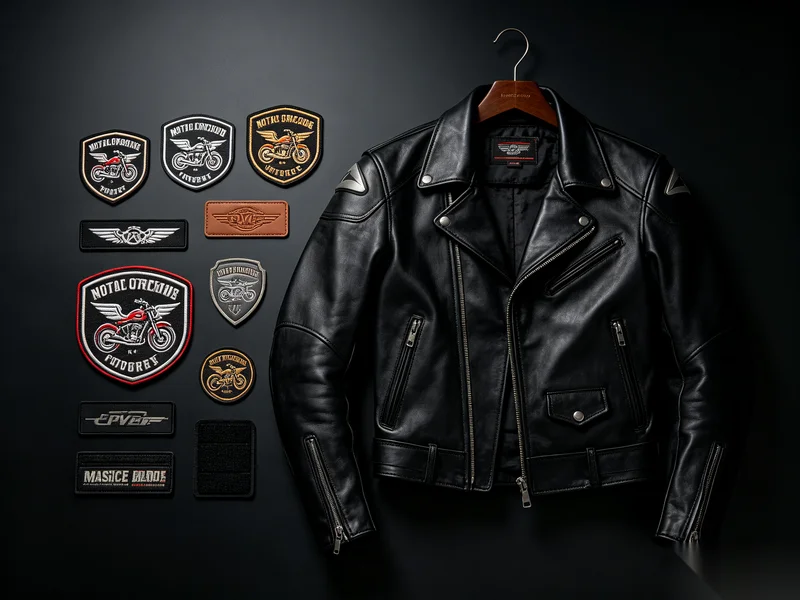
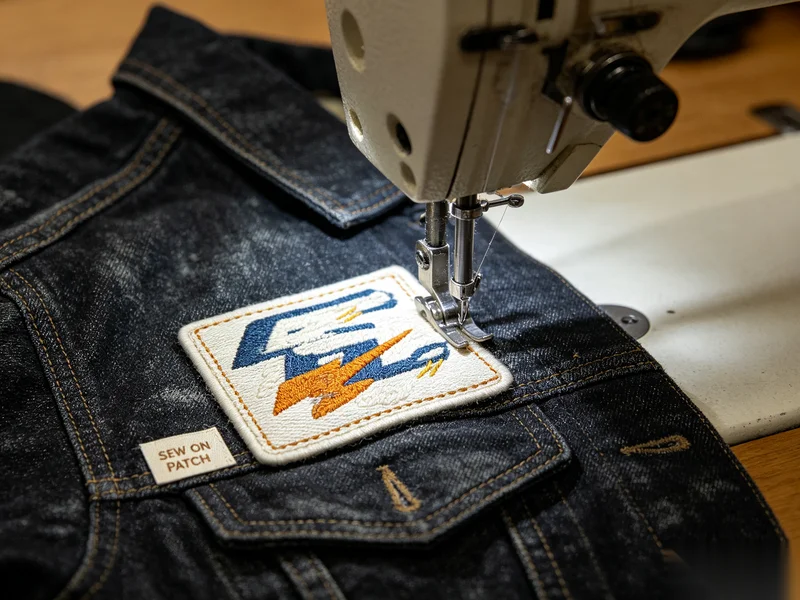
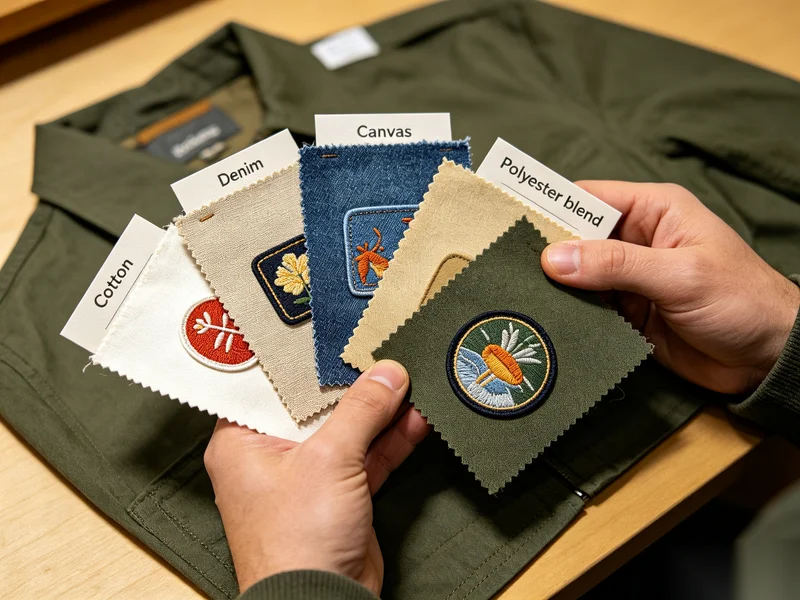
A Reflective Heat Transfer Label is a functional heat-applied decoration that works through the principles of light refraction and retroreflection, producing high-visibility reflective effects in low-light or nighttime conditions.
By combining decorative value with safety enhancement, reflective heat transfer labels significantly improve wearer visibility while maintaining a modern, technical aesthetic. For this reason, they are widely used in:
- Outdoor apparel (jackets, workwear, protective clothing)
- Children’s clothing
- Sports equipment (backpacks, footwear, cycling apparel)
- Traffic safety and warning products
The most critical advantage of reflective heat transfer labels is:
👉 Low-light visibility
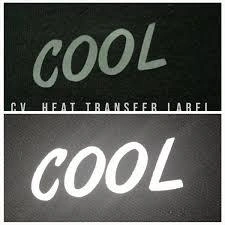
I. Heat Press Application Parameters
Correct heat press settings are essential to ensure durability, adhesion, and reflective performance.
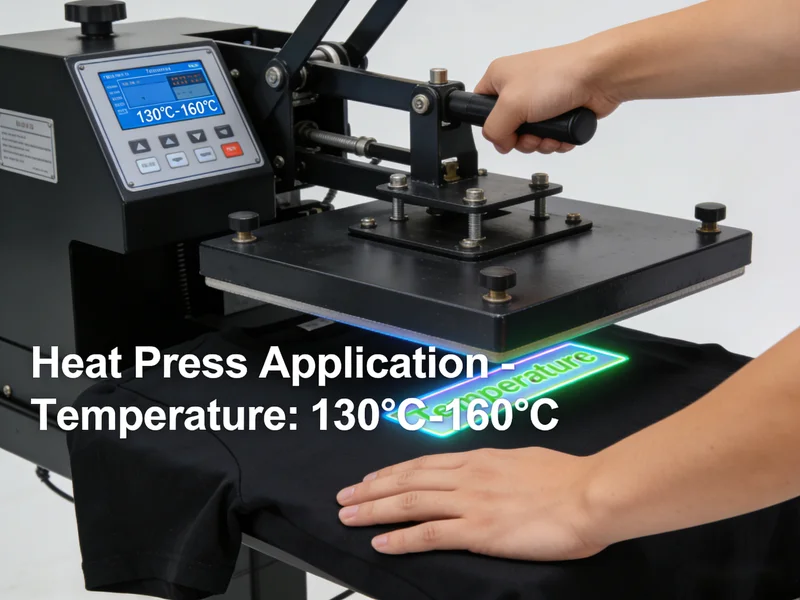
1. Temperature
- Recommended range: 130°C – 160°C
- Final temperature should be adjusted according to the heat resistance of the fabric
- Direct heat press · Cold peel
⚠️ Too low:
The adhesive does not fully melt, resulting in weak bonding.
⚠️ Too high:
May damage the fabric or deform the reflective layer structure.
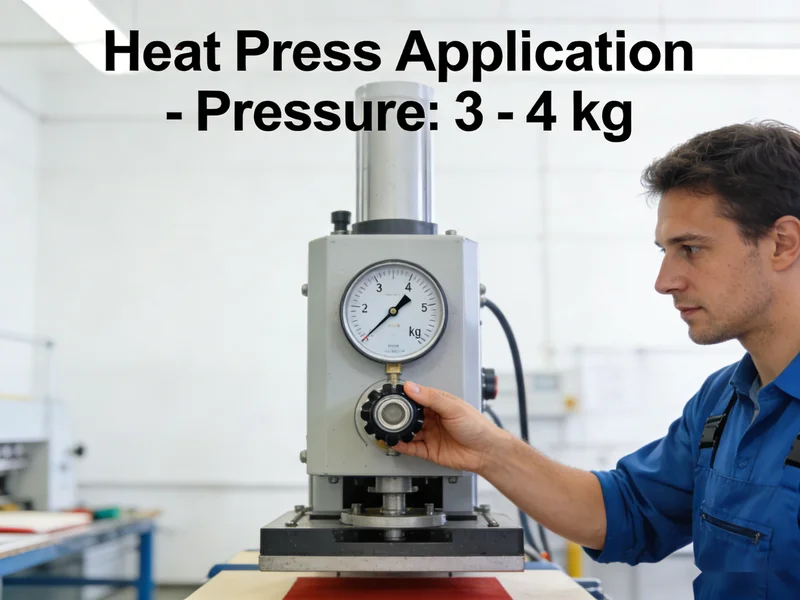
2. Pressure
- Recommended pressure: 3 – 4 kg
- Pressure must be even and stable, adjusted based on fabric type
Pressure control is especially critical:
- Insufficient pressure: adhesive does not fully activate, label may peel
- Excessive pressure: damages the internal prism or glass bead structure
Example:
For high-brightness reflective labels, pressure exceeding 0.6 MPa may reduce reflectivity by up to 50%.
3. Time
- Recommended time: 15 – 20 seconds
- Must be adjusted according to fabric characteristics
⚠️ Do not extend time arbitrarily:
Excessive heat exposure causes adhesive aging and brittleness.
⚠️ Do not shorten time excessively:
Incomplete curing may lead to shifting or peeling after application.
II. Critical Precautions (Very Important)
1. Clean the Surface Before Transfer
Before heat application, wipe the transfer area with 75% alcohol to remove:
- Oil residue
- Dust
- Loose fibers
Why this matters:
- Contaminants cause “false adhesion”
- Reflective layers may lift from contaminated areas
- Dirt blocks reflective materials, reducing visibility
2. Heat Resistance Testing (Strongly Recommended)
For materials with unknown heat tolerance (e.g. coated fabrics, thin plastics):
- Test on a corner area first
- Use a small reflective label sample
Confirm that:
- The fabric does not deform
- Coatings do not peel
Example:
Some synthetic fabrics shrink above 150°C, which can stretch the reflective layer and cause uneven reflectivity.
3. Prohibited Applications
❌ Do not use household irons or steam irons directly on reflective labels
❌ Performance is not guaranteed after the following treatments:
- Dry cleaning
- Dyeing
- Bleaching
- Enzyme wash
- Stone wash
- Any washing process with chemical additives
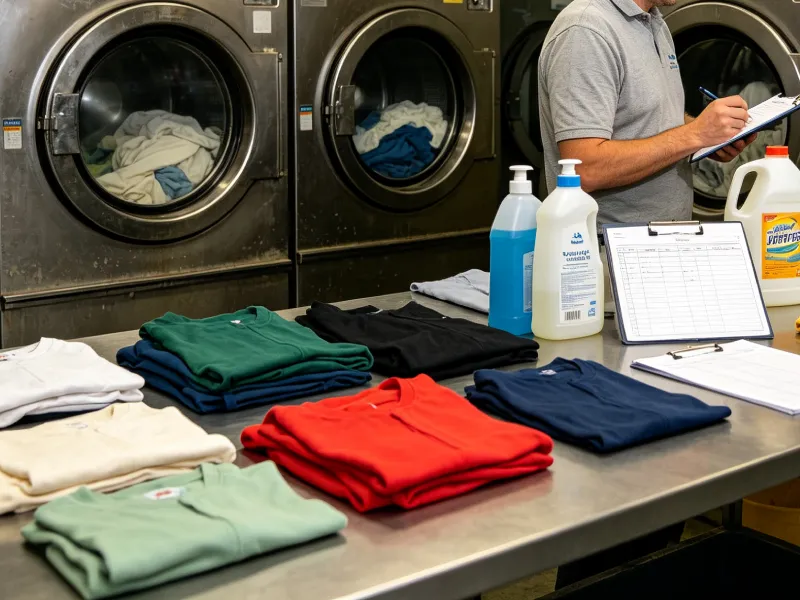
III. Washing & Aftercare Guidelines
1. Water Temperature
- ≤ 30°C (cold or cool water)
- Never soak in hot water (>40°C)
High temperatures may cause:
- Adhesive softening
- Separation of reflective layer from fabric
- Melting of protective coatings on glass beads, reducing reflectivity
2. Detergent Selection
✔ Use neutral detergents only (e.g. baby detergent)
❌ Do not use:
- Strong alkaline detergents (soap, powder detergent)
- Bleach
- Organic solvents (alcohol, gasoline, etc.)
3. Washing Method
Recommended:
- Hand wash
- Gentle machine wash
Avoid:
- Vigorous rubbing on reflective areas
- Direct abrasion of the reflective surface
For machine washing:
- Turn garments inside out
- Avoid contact with zippers, buttons, or hard accessories
4. Drying
✔ Air dry naturally in a cool, ventilated area
❌ Do not tumble dry
❌ Do not expose to direct sunlight
Reasons:
- UV exposure accelerates aging of reflective materials
- Reflectivity gradually declines under UV radiation
- Tumble drying equals “secondary heat pressing,” which can crush reflective structures
IV. Storage Guidelines
1. Storage Environment
- Temperature: 15 – 25°C
- Humidity: 40% – 60%
Avoid:
- High temperatures (>30°C): adhesive softening, blocking
- High humidity (>70%): moisture absorption, white spots on reflective layer
2. Storage Method
- Store flat
- Stack height ≤ 15 cm
- Do not fold or compress
Keep away from:
- Heat sources (radiators, hot water bags)
- Sharp objects (scissors, needles)
- Organic solvents
3. Shelf Life
- Unopened:
Up to 6 months under standard storage conditions - Opened:
Reseal in airtight packaging and remove excess air
Recommended use within 1 month
Prolonged exposure to air may cause oxidation of the reflective layer, resulting in gradual loss of reflectivity.
Conclusion
Proper application, washing, and storage are essential to maintaining the performance, durability, and safety value of a Reflective Heat Transfer Label. When handled correctly, reflective labels deliver long-term visibility, brand value, and wearer protection—especially in functional and safety-focused apparel.
About Author
——————————————————————————————————————————————

Amy
Sales Manager
Hi, I’m Amy, Sales Manager. With a detail-oriented and friendly approach, I listen carefully to clients’ needs and deliver attentive service, ensuring they find the best solutions with ease.
——————————————————————————————————————————————