A Real Story from an Italian Brand
The longer we work in the garment accessories industry, the clearer one truth becomes:
Genuine leather is one of the most “characterful” materials in the world.
This story comes from one of our long-term Italian partners, Jordi.
A “Normal” Leather Patch Order—At First Glance
Jordi is a brand that places exceptional value on texture, material authenticity, and detail control. Their design language is minimalist, but their standards for materials are uncompromising.
For a new seasonal collection, they ordered a batch of genuine leather patches from us.
- Design confirmed
- Size confirmed
- Samples approved
Everything progressed smoothly—until final inspection.
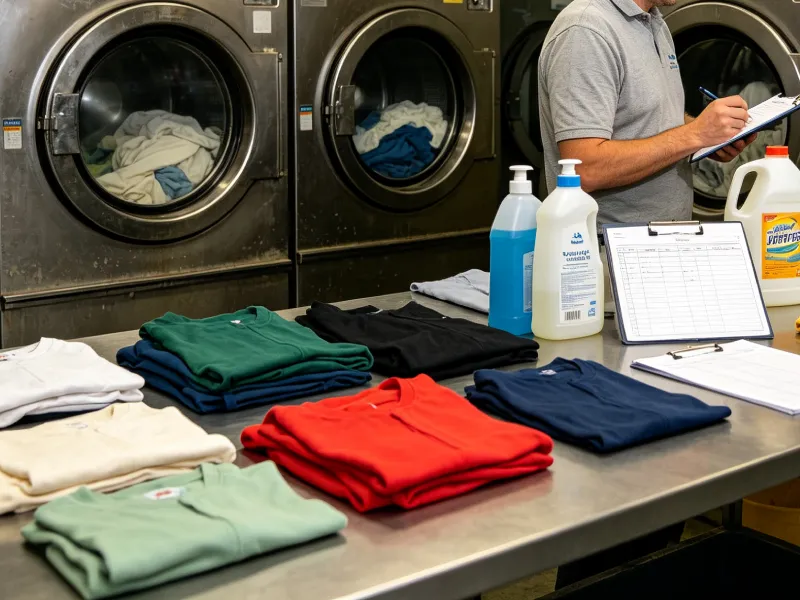
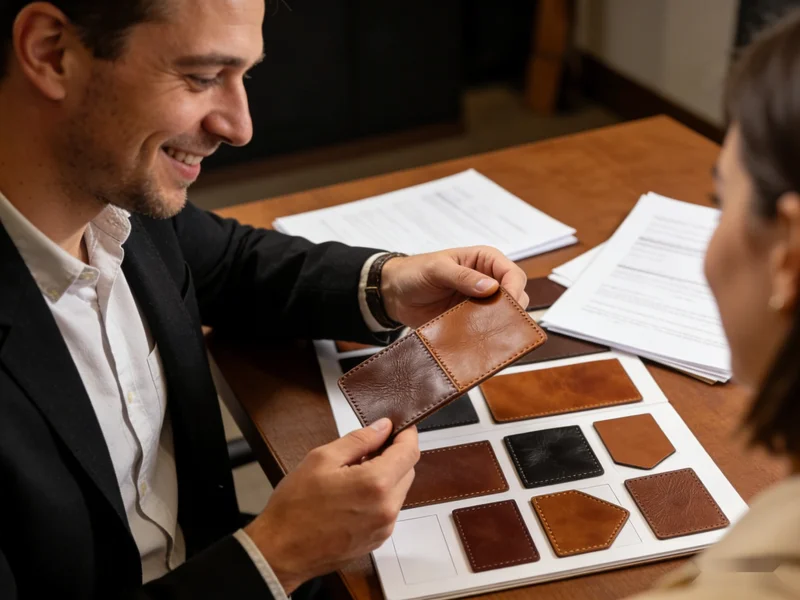
When we laid the finished leather patches flat on the inspection table, a subtle issue became visible:
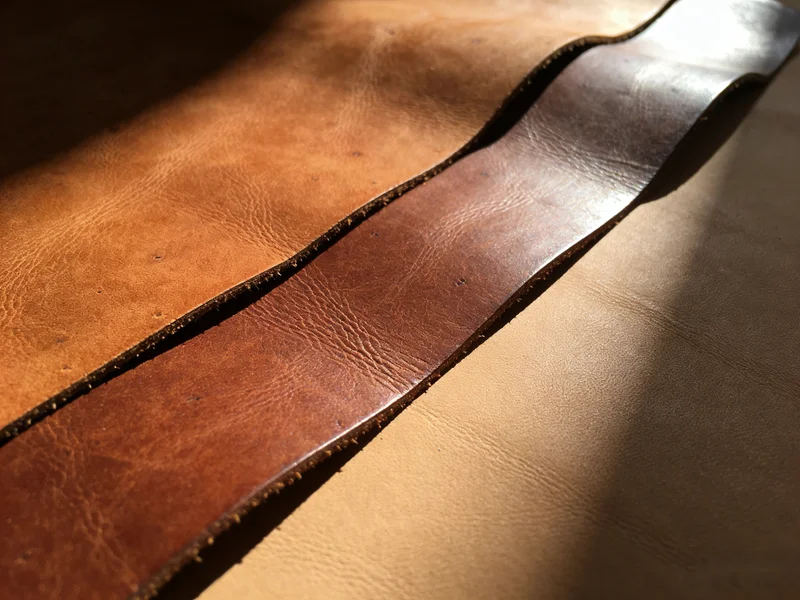
👉 Slight but noticeable color differences within the same patch design.
(As shown in the image)
This was not dirt, contamination, or dye failure.
It was a natural variation in shade, with small differences in depth and warm–cool tone that could be seen by the naked eye.

Where Does Color Inconsistency in Leather Patches Come From?
We immediately reviewed the entire process. The conclusion was clear:
This was not caused by a single mistake, but by the combined effect of natural leather properties and processing methods.
1️⃣ Natural Color Variation Is Inherent to Genuine Leather
Unlike PU or microfiber leather, genuine leather comes from different parts of an animal hide:
- Back, belly, and edge areas absorb dye differently
- Fiber density varies across the hide
- Even within the same hide, cutting can reveal natural tonal gradients
👉 This is an unavoidable characteristic of natural leather, not a production defect.
2️⃣ Vegetable-Tanned & Semi-Vegetable Leather Is More Color-Sensitive
The leather selected by the client focused on a natural, authentic finish, rather than heavy surface coatings:
- Thin surface treatment
- Visible grain and pores
- Higher sensitivity to light, humidity, and temperature
This type of leather feels premium—but it is also more “honest,” preserving every subtle difference.
3️⃣ Heat & Embossing Processes Can Amplify Color Differences
These leather patches used heat embossing for text and logos. During production, we observed:
- Heat and pressure alter local fiber structure
- Changes in light reflection and absorption occur
- The same base color appears darker or lighter after embossing
As a result, color differences became more noticeable after finishing, even if raw leather looked similar.
4️⃣ Mixed Leather Batches: An Often Overlooked Risk
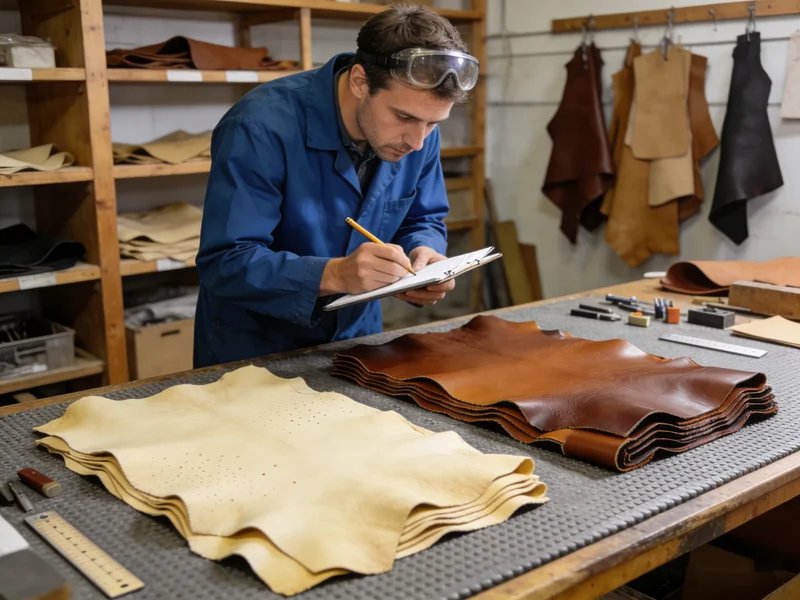
To meet delivery timelines, production involved:
- Same color tone
- Different leather batches
While raw hides looked similar at first glance, differences became amplified after cutting and processing.
This is a key risk point that many factories—including ourselves—must manage more strictly.
What Did We Learn from This Case?
We did not avoid the issue when discussing it with Jordi. Instead, we explained the true nature of genuine leather patches in detail.
Jordi’s response was calm and professional:
“We understand this is a natural property of leather, but we hope future production can keep variations within a more controlled range.”
✅ Improvements We Implemented After This Project
Based on this experience, we made several internal upgrades:
- Use one hide or one leather batch per order whenever possible
- Clearly communicate acceptable color tolerance for leather patches
- Provide color-variation reference samples during sampling
- For premium brands, proactively recommend:
- Darker colors for higher consistency
- Light surface finishing to reduce visible variation
The “Imperfection” of Leather Is Also Its Value
This project reminded us of an essential truth:
The beauty of genuine leather lies not in perfect uniformity,
but in its authenticity, warmth, and natural life.
For brands like Jordi’s, the goal is not industrial replication—but material expression.
And as a leather patch supplier, our responsibility is clear:
👉 Explain early. Communicate clearly.
Turn uncontrollable factors into predictable expectations.
📌 If you’re developing leather patches, leather labels, or leather trims and are concerned about color consistency, we’re happy to discuss solutions at the project planning stage—before production begins.
We believe it’s always better to clarify risks upfront, rather than explain them after delivery.
About Author
——————————————————————————————————————————————

Vicky
Sales Manager
Hi, I’m Vicky,.With extensive industry experience and a well-rounded skill set, I excel in both team collaboration and customer service, always maintaining professionalism and efficiency to ensure the best client experience.
——————————————————————————————————————————————