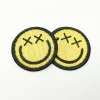
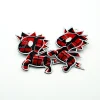
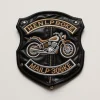
Clothing patches sew on are durable fabric patches designed to be permanently attached to garments through stitching. They are widely used by apparel brands, uniform suppliers, clubs, and organizations because they provide strong attachment, professional appearance, and flexible customization options for logos, artwork, and identification designs.
| Key Point | Quick Answer |
|---|---|
| What are clothing patches sew on? | Fabric patches attached to clothing by sewing for long-lasting use and durability. |
| Who uses them? | Fashion brands, workwear companies, schools, sports teams, motorcycle clubs, and organizations. |
| Why choose sew-on patches? | They offer stronger attachment and better durability than temporary application methods. |
| Popular customization types | Embroidered patches, woven patches, chenille patches, and specialty fabric patches. |
Why Are Clothing Patches Sew On Popular for Apparel Brands and Businesses?
Customized apparel continues to be an effective way for businesses to build brand recognition and create unique products. Among different patch attachment methods, clothing patches sew on remain one of the most reliable solutions because they provide excellent durability and a professional finish.
Unlike iron-on patches or adhesive-backed patches, sew-on patches are physically secured to fabric using thread. This makes them suitable for products that experience frequent washing, outdoor use, or heavy wear.
For B2B buyers, sew-on patches offer important advantages. Clothing manufacturers can add durable branding elements to garments, uniform suppliers can provide long-lasting identification solutions, and fashion companies can create premium products with customized designs.
From embroidered logos on work jackets to decorative patches on streetwear collections, sew-on clothing patches provide businesses with a flexible way to improve product value and customer experience.
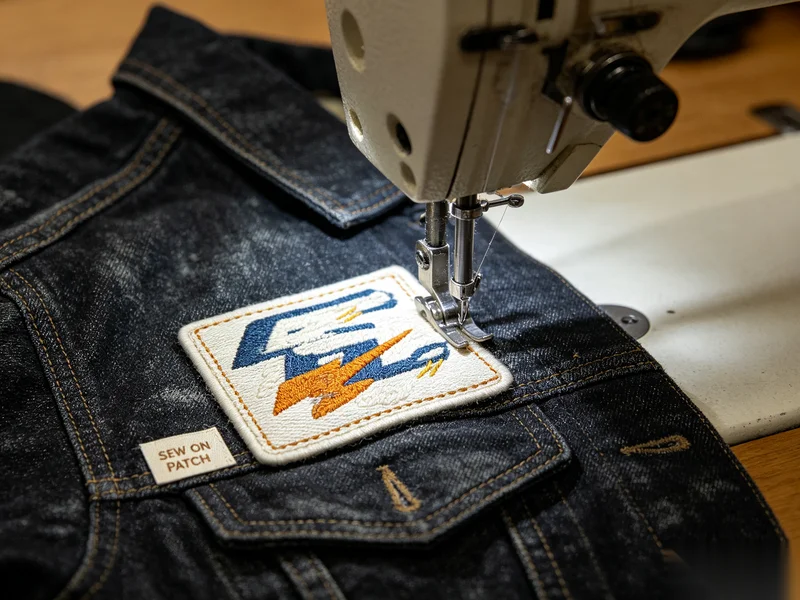
How Do Clothing Patches Sew On Work?
Sew-on patches are attached by stitching the edges of the patch directly onto fabric. This creates a strong connection between the patch and the garment.
The basic process includes:
- Selecting the correct patch design and material
- Positioning the patch on the garment
- Stitching around the patch edges
- Securing the thread for durability
- Inspecting the final appearance
Because the patch is physically connected to the garment, sew-on application is often preferred for products requiring long-term performance.
What Are the Advantages of Sew On Clothing Patches?
Businesses choose sew-on patches because they provide several benefits compared with other customization methods.
Strong and Long-Lasting Attachment
The biggest advantage of sew on clothing patches is durability.
Sewn patches can withstand:
- Frequent washing
- Outdoor environments
- Regular friction
- Long-term use
This makes them ideal for:
- Work uniforms
- Motorcycle jackets
- Outdoor clothing
- Sports apparel
- Military-style products
Professional Appearance
A properly attached patch creates a clean and premium appearance.
Professional stitching helps maintain:
- Smooth edges
- Secure placement
- Consistent quality
- Enhanced garment design
For brands selling premium apparel, the finishing quality of a sew-on patch can significantly influence customer perception.
Suitable for Many Fabric Types
Unlike heat application methods, sew-on patches are compatible with a wider range of materials.
They can be applied to:
- Denim
- Leather
- Canvas
- Cotton
- Jackets
- Bags
- Heavy fabrics
This versatility makes them valuable for different industries.
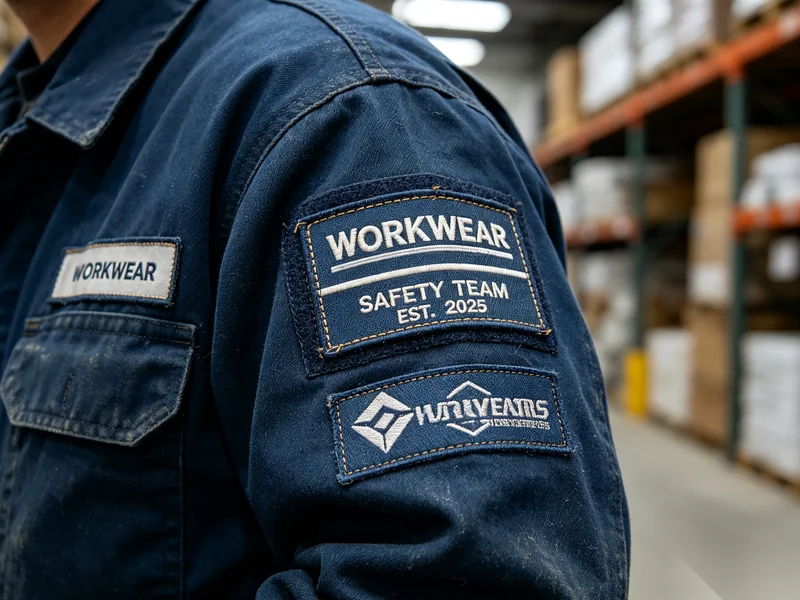
What Types of Sew On Clothing Patches Can Businesses Customize?
Professional manufacturers offer various patch styles to meet different product requirements.
Embroidered Sew On Patches
Embroidered sew-on patches are among the most popular choices for businesses.
They feature raised thread designs that create a classic and textured appearance.
Common applications include:
- Brand logos
- Uniform badges
- Motorcycle patches
- Sports team designs
- Fashion decorations
Advantages include:
- Premium visual effect
- Strong durability
- Wide color selection
- Traditional craftsmanship appearance
Woven Sew On Patches
Woven patches use thinner threads to create smoother surfaces and finer details.
They are suitable for:
- Small text
- Detailed logos
- Fashion labels
- Complex artwork
Compared with embroidery, woven patches can reproduce smaller details more clearly.
Chenille Sew On Patches
Chenille patches are commonly used for varsity and school-style apparel.
They provide:
- Soft texture
- Three-dimensional appearance
- Vintage fashion appeal
Applications include:
- Letter patches
- Sports jackets
- College apparel
- Fashion collections
PVC and Specialty Sew On Patches
Some businesses choose PVC or specialty materials for unique applications.
Benefits include:
- Modern appearance
- Weather resistance
- Easy cleaning
- Strong durability
They are often used for outdoor products and performance apparel.
How Are Custom Sew On Clothing Patches Manufactured?
Producing high-quality sew-on patches requires professional design and manufacturing processes.
Step 1: Design Preparation
The process begins with reviewing customer artwork.
Manufacturers analyze:
- Logo details
- Patch dimensions
- Color requirements
- Fabric selection
- Border style
A professional design review ensures the final patch maintains clarity and quality.
Step 2: Patch Production
Depending on the design, manufacturers use different production techniques.
Common processes include:
- Embroidery
- Weaving
- Cutting
- Border finishing
- Backing preparation
Each step affects the final appearance and durability.
Step 3: Quality Inspection
Before delivery, professional suppliers check:
- Stitching consistency
- Edge quality
- Color accuracy
- Shape precision
- Overall appearance
For wholesale customers, strict quality control ensures every batch meets production requirements.
Why Should Brands Choose Custom Sew On Patches?
For apparel companies, custom sew-on patches provide more than decoration. They create opportunities for branding, product development, and customer engagement.
Build Strong Brand Identity
A customized patch allows businesses to display:
- Company logos
- Brand symbols
- Product collections
- Special messages
Because patches are highly visible, they help customers recognize and remember a brand.
Create Premium Apparel Products
Many fashion brands use embroidered sew on patches to increase the perceived value of clothing.
Applications include:
- Jackets
- Jeans
- Hoodies
- Hats
- Bags
A well-designed patch can make a standard product appear more exclusive.
Support Long-Term Product Use
For products expected to experience heavy usage, sew-on patches provide better reliability.
Industries such as workwear, outdoor equipment, and motorcycle apparel often prefer sewn attachment because it reduces replacement frequency.
How Are Sew On Clothing Patches Used in Different Industries?
Sew-on patches are widely used across multiple business sectors.
Fashion and Streetwear Brands
Fashion companies use custom sew on patches to create unique collections.
Popular applications include:
- Denim jackets
- Streetwear clothing
- Limited edition products
- Personalized fashion items
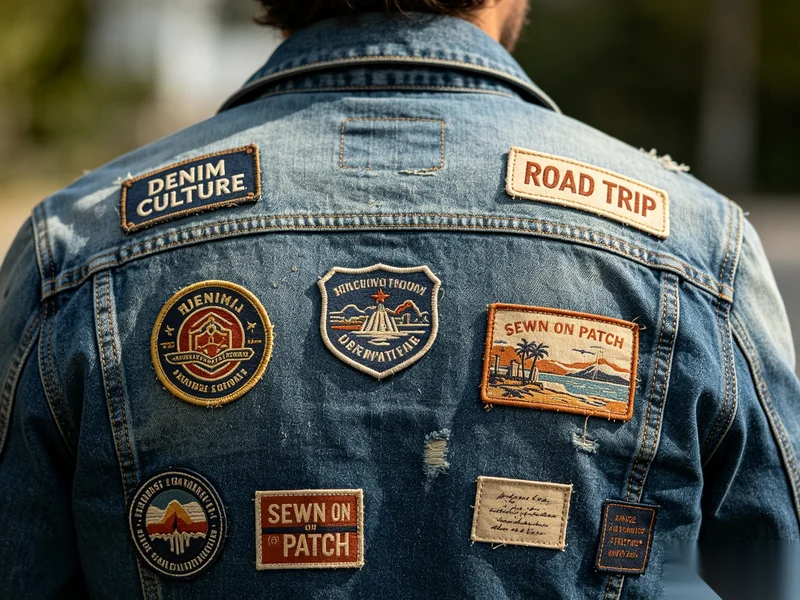
Workwear and Uniform Suppliers
Uniform manufacturers use patches for:
- Company identification
- Employee names
- Department labels
- Safety information
Sewn patches provide a professional and durable solution for workplace clothing.
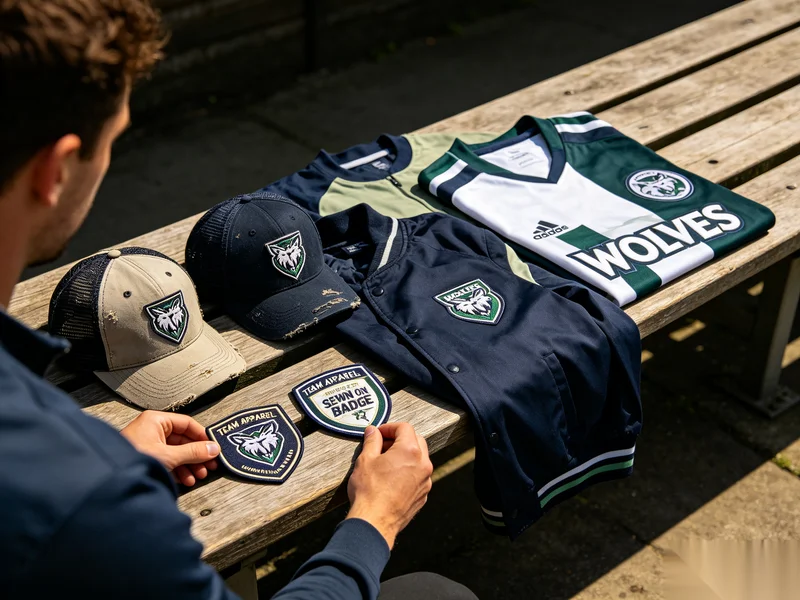
Sports Teams and Organizations
Sports groups use patches for:
- Team logos
- Championship awards
- Member identification
- Sponsor branding
They help strengthen team identity and create memorable apparel.
Motorcycle and Outdoor Industries
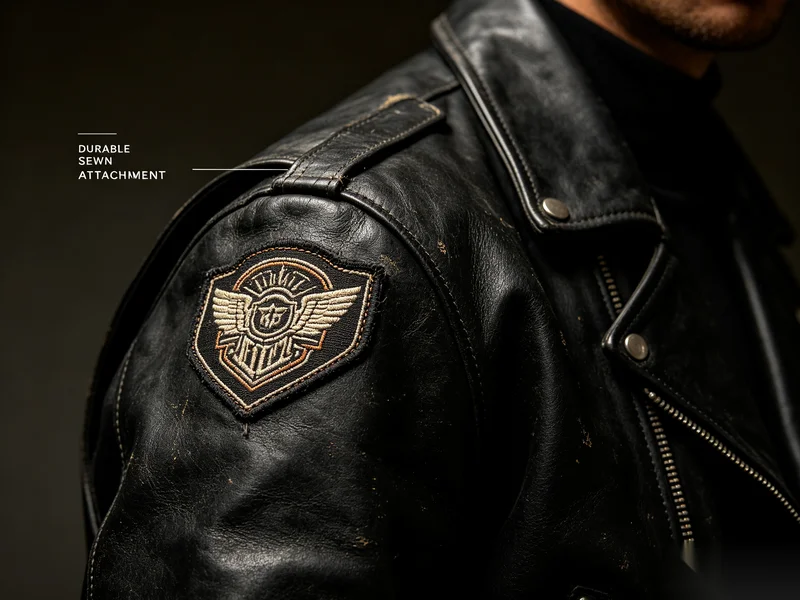
Motorcycle brands and outdoor companies often choose sew-on patches because their products require durability.
Common applications include:
- Riding jackets
- Outdoor gear
- Adventure clothing
- Club apparel
How Can Businesses Choose a Reliable Sew On Patch Manufacturer?
Choosing the right supplier is essential for maintaining product quality and production efficiency.
Evaluate Manufacturing Experience
A professional manufacturer should have experience with:
- Embroidery production
- Woven patch technology
- Custom shapes
- Different fabrics
- Bulk manufacturing
Experienced suppliers can recommend suitable solutions based on product requirements.
Check Customization Options
Businesses should look for suppliers offering:
- Multiple patch materials
- Various sizes and shapes
- Different border options
- Artwork support
- Wholesale services
Flexible customization allows brands to create unique products.
Consider Wholesale Production Capability
For large orders, production reliability is critical.
A suitable manufacturer should provide:
- Stable quality control
- Consistent output
- Competitive pricing
- Reliable delivery schedules
Working with an experienced supplier helps businesses maintain smooth operations.
Can Clothing Patches Sew On Be Better Than Iron On Patches?
Yes, in many applications sew-on patches provide better durability than iron-on alternatives.
Iron-on patches are convenient for quick application, but sewn patches offer stronger attachment and better performance under demanding conditions.
For products such as uniforms, motorcycle jackets, outdoor clothing, and frequently washed garments, sew-on patches are often the preferred choice.
FAQ About Clothing Patches Sew On
What are clothing patches sew on used for?
Clothing patches sew on are used for branding, decoration, identification, and personalization on garments, uniforms, jackets, bags, and accessories.
Are sew-on patches more durable than iron-on patches?
Yes. Sew-on patches generally provide stronger attachment because they are physically stitched to the fabric.
Can businesses customize sew-on patches with logos?
Yes. Manufacturers can create custom sew-on patches featuring logos, text, artwork, and unique designs.
What fabrics can sew-on patches be attached to?
Sew-on patches can be attached to many materials, including denim, cotton, leather, canvas, and heavy fabrics.
Can companies order custom sew-on patches wholesale?
Yes. Professional patch manufacturers provide bulk customization services for brands, retailers, and organizations.
How should sew-on patches be attached?
The patch should be positioned correctly and stitched securely around the edges using strong thread for long-term durability.
Conclusion
Clothing patches sew on provide businesses with a durable, professional, and versatile customization solution for apparel and accessories. Their strong attachment, flexible design options, and premium appearance make them suitable for fashion brands, uniform suppliers, sports organizations, and motorcycle companies.
For B2B buyers, choosing an experienced patch manufacturer ensures reliable quality, accurate customization, and efficient wholesale production. As demand for personalized apparel continues to grow, custom sew-on patches remain an effective way to strengthen branding and create distinctive products.
About Author
——————————————————————————————————————————————

Apollo
Senior E-commerce Manager
Apollo is an experienced e-commerce manager specializing in patches, apparel accessories, and digital marketing, helping global textile brands grow with proven online strategies.
——————————————————————————————————————————————