When producing patches via mold dispensing, liquid PVC offers better fluidity than liquid silicone. For designs with dense, discontinuous micro-details and deep structures, PVC can fill molds more precisely without modifying artwork, making it a more reliable choice for complex multi-layer patches.
What Are Patches via Mold Dispensing?
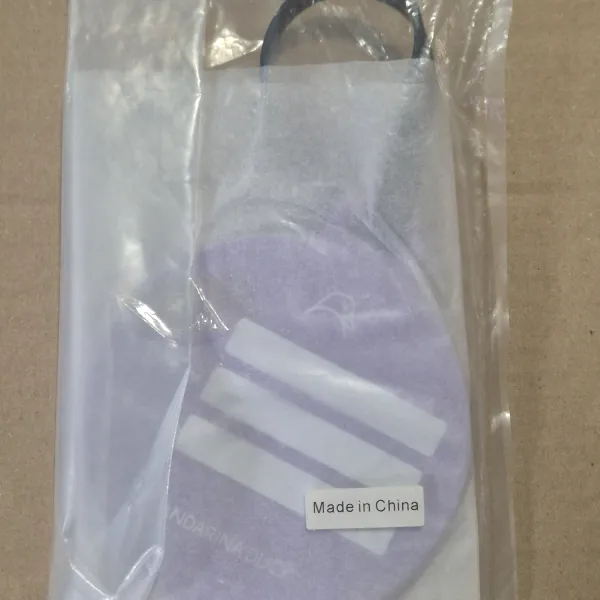
Patches via mold dispensing are produced by injecting liquid materials—such as PVC or silicone—into a custom mold. After curing, the material forms a 2D or 3D patch with defined layers, colors, and textures.
This process is commonly used for:
- Tactical and military patches
- Airsoft gear patches
- Outdoor equipment branding
- Hook-and-loop (Velcro) patches
Material selection directly impacts detail accuracy, production feasibility, and final performance.
Customer Background: An Engineering-Led Airsoft Project
This customer was an engineer working in a 3D printing company.
The patches were designed for Airsoft rifle slings, attached with Velcro.
From the beginning, the customer preferred silicone, mainly due to its:
- Soft touch
- High elasticity
- Cold resistance
However, the real challenge emerged after reviewing the 3D CAD files.
Why Was This Mold Dispensing Patch So Challenging?
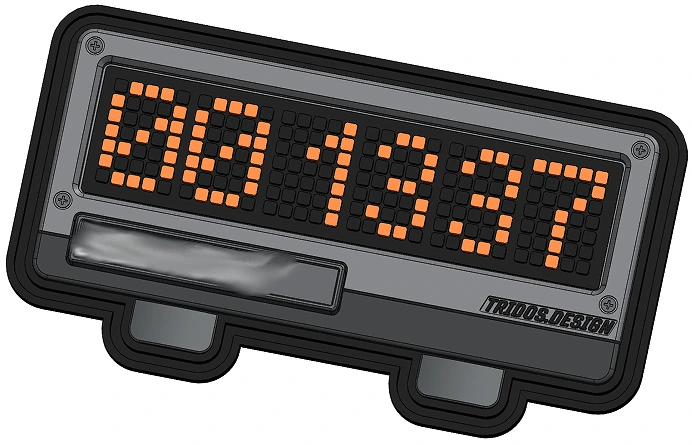
1. Extreme Thickness and Layer Complexity
- Total thickness: 5 mm
- Structure: 3 stacked layers
- Colors: 5 colors
Compared with standard molded patches, this design was significantly thicker and more complex.

2. Discontinuous Dispensing Areas (Major Difficulty)
The most critical issue was the center number design:
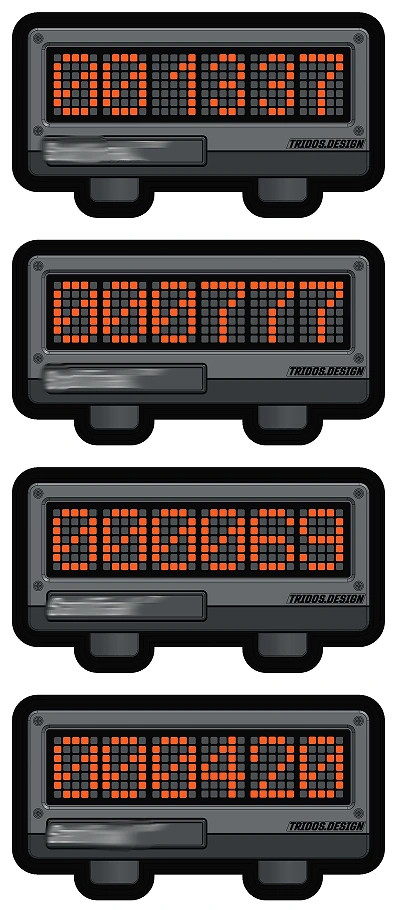
- Each number was composed of tiny individual dots
- 210 micro dots per patch
- 4 versions, only the dot layout differed
- All versions shared one single mold
- Dots were isolated, not connected
- Each dot had surrounding grooves
This meant:
- Every dot had to be dispensed individually
- No material overflow allowed
- High risk of incomplete filling
From a production perspective, this was already challenging—but still manageable.
Why Silicone Failed in This Design
The Key Limitation: Fluidity
Liquid silicone has lower natural fluidity compared to PVC.
In this case:
- Micro dots were too small and isolated
- Silicone could not flow evenly into each cavity
- Incomplete filling and surface defects were likely
To proceed with silicone, the original 3D design would need to be modified.
Two Solutions We Offered the Customer
Rather than rejecting the project, we presented two realistic options, explaining risks clearly.
Option 1: Continue with Silicone (With Design Compromises)
If silicone was mandatory:
- Dark gray and light gray layers had to be merged into one color
- The top white lettering could not be raised
- Original design fidelity would be reduced
This option preserved silicone’s material advantages but required sacrificing design intent.
Option 2: Switch to PVC (No Design Changes Needed)
By using PVC, we could:
- Maintain the original 3D file 1:1
- Accurately fill all 210 micro dots
- Preserve full layer height and color separation
This was possible because the fluidity of liquid PVC is better than that of liquid silicone, especially for:
- Fine cavities
- Discontinuous dispensing areas
- Deep, narrow grooves
Material Transparency: Explaining PVC vs Silicone Risks
Before final confirmation, we clearly explained material differences:
PVC Characteristics
- Excellent fluidity for mold dispensing
- Suitable for complex micro-detail designs
- Risk of cracking at extreme cold (around -15°C)
Silicone Characteristics
- Superior cold resistance
- Softer, food-grade potential
- Lower fluidity limits micro-detail accuracy
After evaluating usage conditions, the customer confirmed:
- No exposure to extreme cold
- No food-contact or skin-contact requirements
Final Decision: PVC for Engineering Accuracy
The customer chose PVC.
Why?
- No need to modify the CAD file
- Maximum design fidelity
- Better production stability
For an engineer-led project, precision and structural accuracy outweighed material softness.
What Can Brands Learn from This Case?
Key Takeaways
- Material choice should follow design complexity—not preference
- Fluidity is critical in patches via mold dispensing
- Silicone is not always the best solution for micro-structured designs
- Early engineering evaluation prevents costly redesigns
- The best solution is often the one with fewer hidden risks
FAQ: Patches via Mold Dispensing
Q: Can silicone always replace PVC in molded patches?
No. Silicone struggles with highly detailed, discontinuous micro cavities.
Q: Is PVC always better than silicone?
Not always. PVC excels in fluidity, while silicone performs better in elasticity and cold resistance.
Q: Should CAD files be reviewed before material selection?
Absolutely. Engineering review is essential to avoid production failure.
Conclusion: Fluidity Determines Feasibility
In patches via mold dispensing, success depends not just on materials—but on how those materials behave inside the mold.
In this case, PVC’s superior fluidity made an otherwise impossible design fully achievable, without compromising the customer’s original engineering vision.
That is the difference between simply manufacturing a patch—and engineering a solution.
About Author
——————————————————————————————————————————————

Laurie
Sales Manager
Hi, I’m Laurie, Sales Manager. I am detail-oriented and highly responsible, focusing on understanding clients’ real needs and delivering reliable solutions while building long-term, trusted partnerships.
——————————————————————————————————————————————