Embroidery trim is a decorative textile embellishment created with embroidered patterns on a narrow fabric base. Widely used in apparel, home textiles, accessories, and fashion design, embroidery trim adds texture, visual appeal, and premium detailing while enhancing the overall value of a product.
What Is Embroidery Trim?
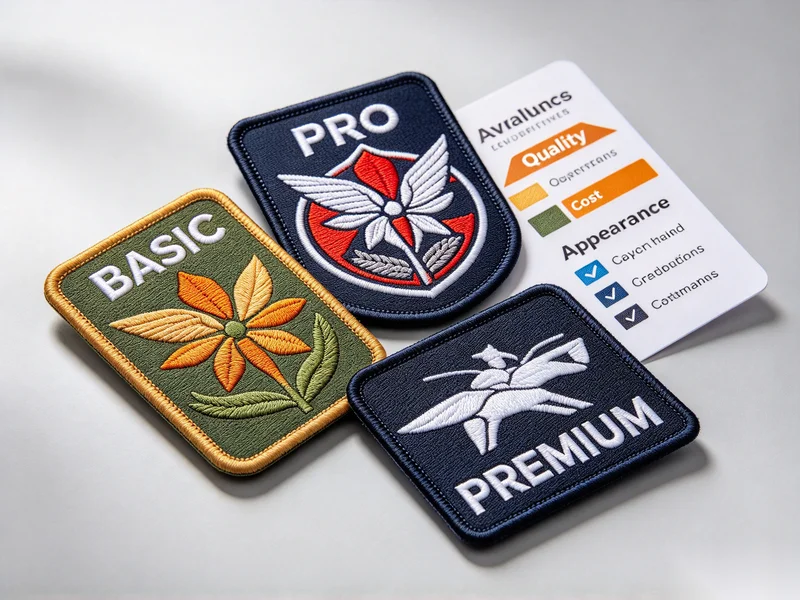
Embroidery trim refers to decorative strips of fabric that feature embroidered designs, patterns, logos, or motifs. Unlike embroidered patches that are applied as standalone pieces, embroidery trims are produced in continuous lengths and are typically sewn directly onto garments, bags, home textiles, or accessories.
Depending on the design, embroidery trim can serve both decorative and functional purposes. It can enhance the appearance of a garment, reinforce brand identity, or create distinctive design details that help products stand out in the marketplace.
Today, custom embroidery trim is commonly used across fashion, sportswear, uniforms, children’s clothing, bridal wear, and interior decoration products.
How Is Embroidery Trim Made?
The production of embroidered decorative trim involves several manufacturing stages.
Design Development
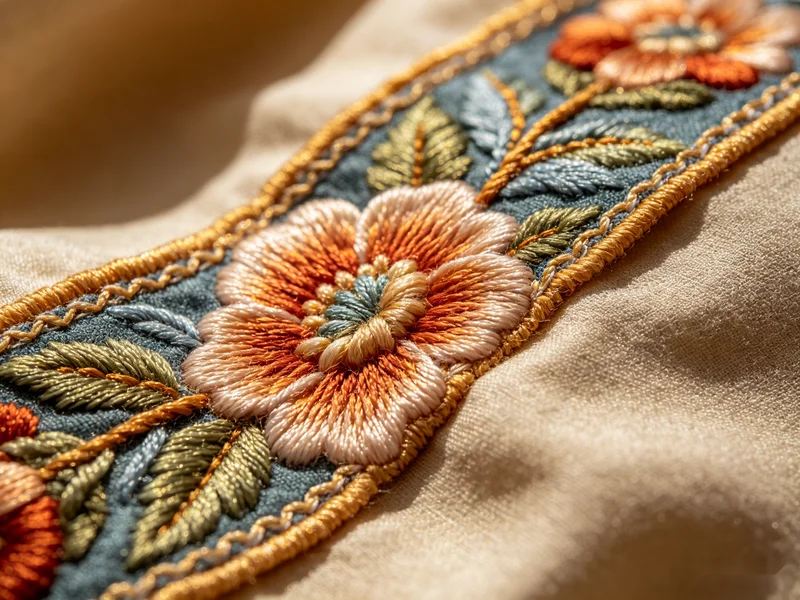
The embroidery artwork is digitized and programmed for embroidery machines. Designers create patterns ranging from simple geometric borders to complex floral motifs and branded logos.
Base Material Selection
Various materials can be used as the foundation for embroidery trim, including:
- Cotton
- Polyester
- Organza
- Mesh fabric
- Satin ribbon
- Lace fabric
The choice of material affects both the appearance and performance of the final trim.
Embroidery Production
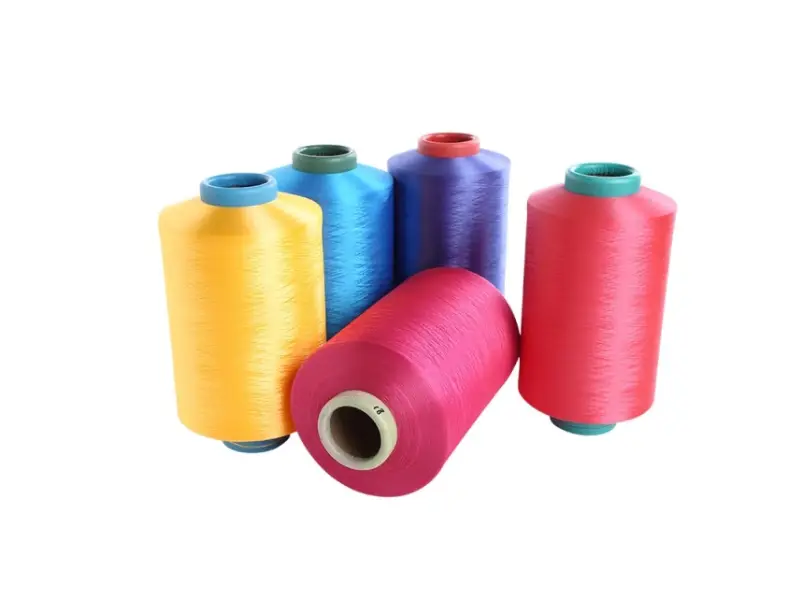
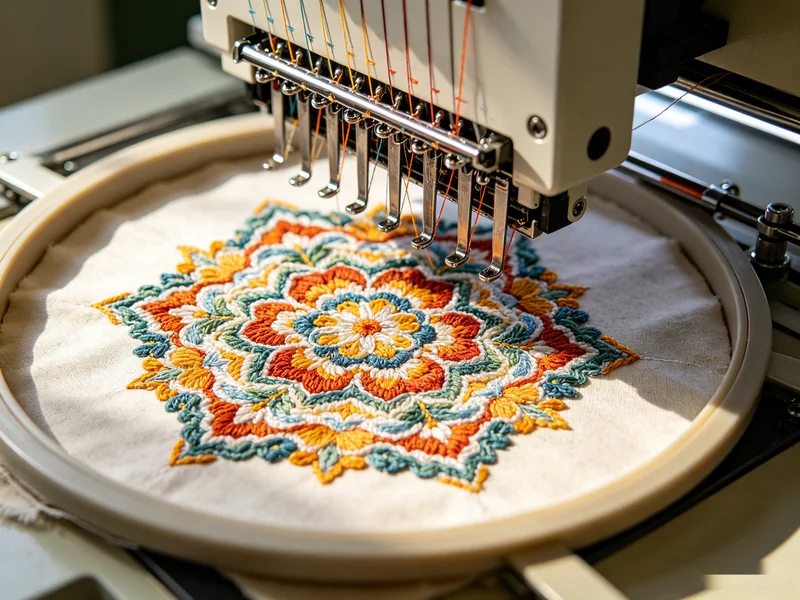
Computerized embroidery machines stitch the design onto the base material using colored threads.
Depending on the design requirements, manufacturers may use:
- Flat embroidery
- Satin stitch embroidery
- 3D embroidery
- Multi-color embroidery
Cutting and Finishing
After embroidery is completed, the trim is cut, cleaned, and finished to ensure a professional appearance and consistent quality.
What Are the Different Types of Embroidery Trim?
Embroidered Lace Trim
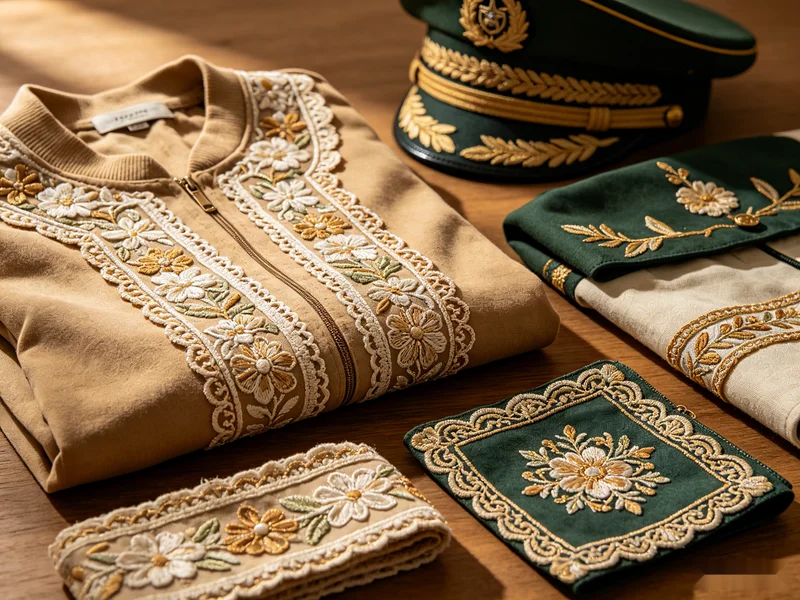
Embroidered lace trim combines delicate embroidery with lace materials to create elegant decorative borders.
Common applications include:
- Bridal gowns
- Lingerie
- Women’s fashion
- Home décor textiles
Floral Embroidery Trim
Floral designs remain one of the most popular embroidery trim styles, particularly in fashion and decorative textile markets.
Geometric Embroidery Trim
These trims feature structured patterns and are often used in modern apparel and accessories.
Logo Embroidery Trim
Brands increasingly use embroidery trim to incorporate logos, brand names, or custom graphics into garments and accessories.
Ethnic and Traditional Embroidery Trim
Many fashion designers use culturally inspired embroidery trims to create distinctive collections with unique visual identities.
Why Is Embroidery Trim Popular in Fashion Design?
One reason custom embroidery trim remains highly popular is its ability to instantly enhance product appearance without significantly increasing manufacturing complexity.
Adds Premium Visual Appeal
Embroidery introduces texture and depth that printed decorations cannot easily replicate.
Supports Brand Differentiation
Custom trims help brands create recognizable products that stand out from competitors.
Flexible Design Possibilities
Embroidery trims can be customized in:
- Colors
- Widths
- Patterns
- Materials
- Stitch styles
Enhances Perceived Product Value
Consumers often associate embroidered details with craftsmanship and premium quality.
For fashion brands, embroidery trim can significantly improve the visual impact of garments while supporting higher retail positioning.
Where Is Embroidery Trim Commonly Used?
Fashion Apparel
Dresses, blouses, jackets, skirts, and children’s clothing frequently incorporate embroidery trim as decorative accents.
Sportswear
Premium sportswear brands use embroidery trim to add branding and visual distinction.
Uniforms
Corporate and hospitality uniforms often use embroidery trim to enhance appearance and reinforce brand identity.
Home Textiles
Curtains, cushions, bedding, and table linens commonly feature embroidered decorative trim.
Accessories
Bags, hats, scarves, and footwear frequently use embroidery trims to create unique design elements.
Embroidery Trim vs Printed Trim
Both embroidery trim and printed trim are used for decoration, but they offer different advantages.
| Feature | Embroidery Trim | Printed Trim |
|---|---|---|
| Texture | Rich and dimensional | Flat |
| Durability | High | Moderate |
| Premium Appearance | Excellent | Good |
| Customization | High | High |
| Production Cost | Higher | Lower |
Brands seeking a premium appearance often choose embroidery trim because of its superior texture and perceived value.
How to Design Effective Custom Embroidery Trim
When creating custom embroidery trim, several design factors should be considered.
Match the Product Style
The trim design should complement the garment or product rather than overpower it.
Select Appropriate Width
Wider trims create stronger visual impact, while narrower trims offer subtle detailing.
Use Consistent Brand Colors
Maintaining color consistency strengthens brand recognition.
Consider Fabric Compatibility
The trim material should be compatible with the fabric to ensure durability and visual harmony.
Balance Detail and Production Efficiency
Extremely complex embroidery designs may increase production costs and lead times.

What Should B2B Buyers Consider When Sourcing Embroidery Trim?
Businesses purchasing embroidered decorative trim should evaluate suppliers carefully.
Manufacturing Experience
Experienced manufacturers can provide better design support and quality control.
Material Selection
A supplier should offer multiple fabric and thread options.
Customization Capability
Look for flexibility in:
- Width
- Color
- Pattern
- Material
- Packaging
Quality Assurance
Consistent embroidery quality is essential, especially for large production orders.
Production Capacity
Suppliers should be able to support both sample development and bulk production.
Selecting the right partner helps ensure reliable product quality and efficient project execution.
FAQ
What is embroidery trim?
Embroidery trim is a decorative textile strip featuring embroidered patterns, designs, or logos used on garments, accessories, and home textiles.
What is the difference between embroidery trim and embroidery patches?
Embroidery trim is produced in continuous lengths and sewn as decorative borders, while patches are standalone pieces attached individually.
What materials are used for embroidery trim?
Common materials include cotton, polyester, satin, lace, organza, and mesh fabrics.
Where is embroidered lace trim commonly used?
It is frequently used in bridal wear, lingerie, women’s fashion, and decorative home textiles.
Can embroidery trim be customized?
Yes. Width, pattern, color, fabric, and embroidery style can all be customized.
Why do fashion brands use custom embroidery trim?
Because it enhances visual appeal, adds perceived value, and helps products stand out in competitive markets.
Conclusion
Embroidery trim is a versatile and highly effective decorative element that adds texture, elegance, and branding opportunities to apparel and textile products. Whether used as custom embroidery trim, embroidered decorative trim, or embroidered lace trim, it helps elevate product appearance while enhancing perceived quality. For fashion brands, uniform manufacturers, and textile producers, embroidery trim remains a timeless design solution that combines functionality with premium visual appeal.
About Author
——————————————————————————————————————————————

Apollo
Senior E-commerce Manager
Apollo is an experienced e-commerce manager specializing in patches, apparel accessories, and digital marketing, helping global textile brands grow with proven online strategies.
——————————————————————————————————————————————