Satin Patches are patches made from satin fabric, known for its smooth texture and elegant sheen. Compared with traditional twill patches, satin patches offer a more premium appearance, making them ideal for fashion apparel, luxury garments, lingerie, sportswear, and high-end branding applications.
What Are Satin Patches?
Satin Patches are decorative or branding patches made using satin fabric as the primary material. Satin is a woven fabric characterized by its glossy surface and soft hand feel, which creates a sophisticated and luxurious appearance.
Unlike standard embroidered patches made with twill backing, satin fabric patches focus on visual elegance and premium branding. The smooth surface of satin reflects light beautifully, helping logos and graphics stand out on garments and accessories.
Satin patches are commonly used on:
- Fashion apparel
- Luxury clothing
- Lingerie
- Sleepwear
- Sportswear
- Boutique accessories
- Promotional products
For brands seeking a refined look, satin patches provide an attractive alternative to traditional patch materials.
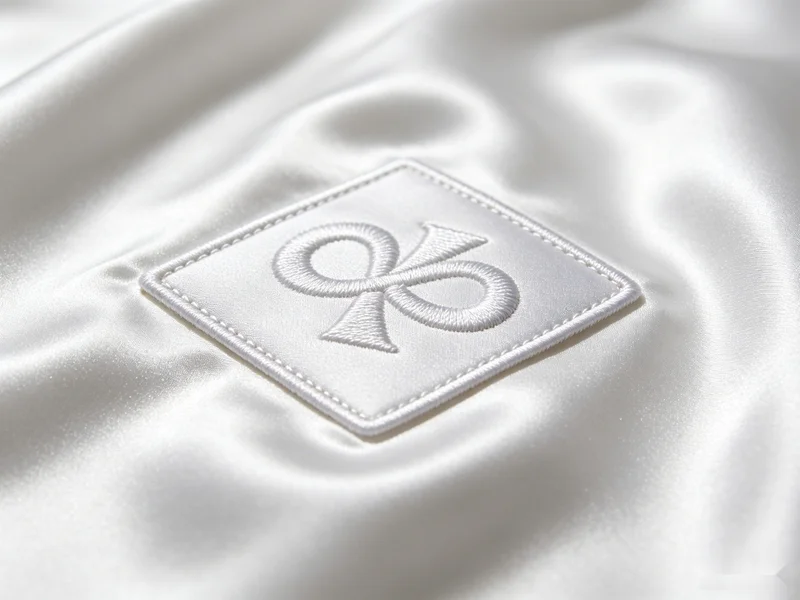
Why Are Satin Patches Popular in the Fashion Industry?
Fashion brands continuously search for ways to enhance product presentation and perceived value. One reason custom satin patches have gained popularity is their ability to instantly elevate the appearance of a garment.
Premium Visual Appeal
The subtle shine of satin creates a more luxurious impression than standard woven or twill fabrics.
Soft and Comfortable Feel
Satin fabric feels smooth against the skin, making it particularly suitable for garments where comfort is important.
Enhanced Brand Presentation
A satin patch can transform a simple logo into a premium branding element, helping products stand out in a competitive market.
Excellent Color Performance
Colors often appear richer and more vibrant on satin surfaces, allowing brands to create eye-catching designs.
These advantages make satin a preferred material for high-end and fashion-focused collections.
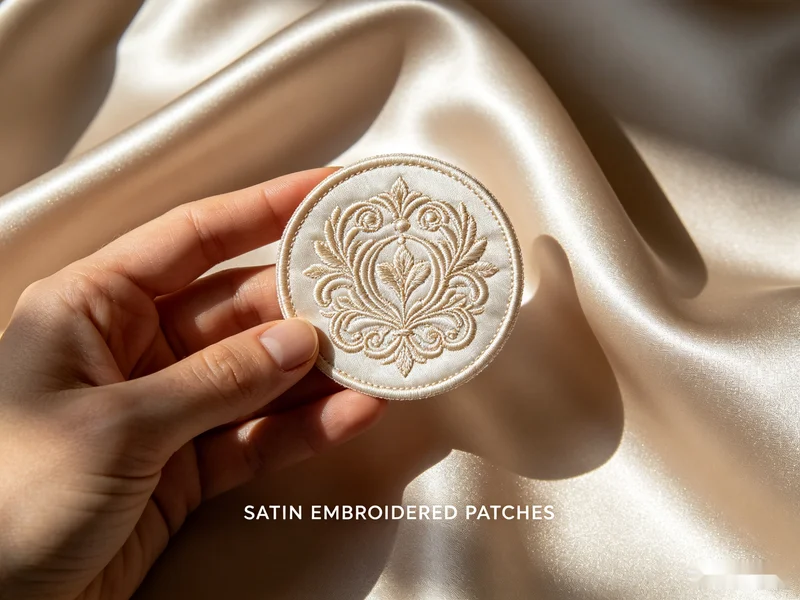
How Are Satin Patches Manufactured?
The production process for satin logo patches varies depending on the design and intended application.
Fabric Selection
Manufacturers select satin fabrics based on:
- Thickness
- Gloss level
- Color requirements
- Durability expectations
Artwork Preparation
The logo or artwork is converted into a production-ready format suitable for embroidery, printing, or appliqué techniques.
Decoration Process
Several production methods can be used:
- Embroidery
- Screen printing
- Heat transfer printing
- Woven label integration
- Appliqué embroidery
Cutting and Edge Finishing
After decoration, patches are cut into custom shapes and finished using suitable border techniques.
Backing Application
Common backing options include:
- Sew-on backing
- Iron-on backing
- Adhesive backing
- Velcro backing
The final result is a premium patch that combines attractive aesthetics with practical functionality.
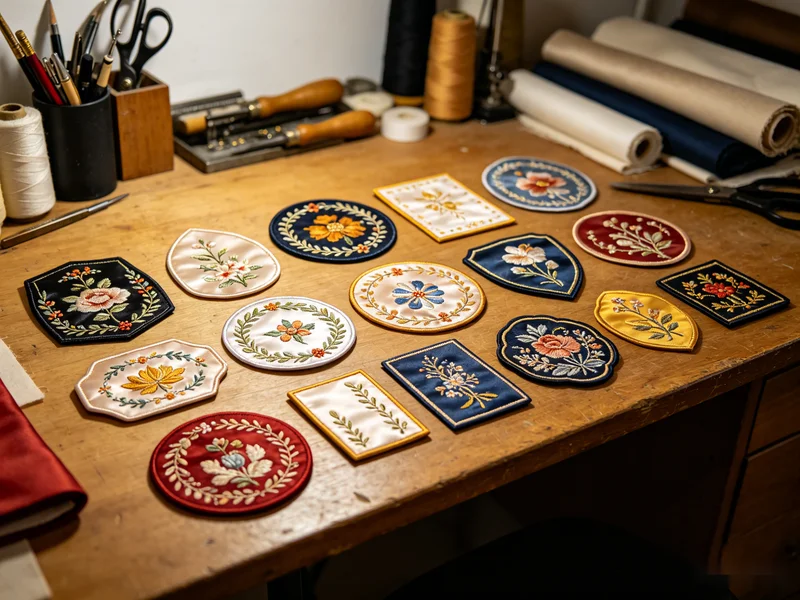
What Types of Satin Patches Are Available?
Satin Embroidered Patches
These patches combine embroidery stitching with a satin fabric background.
Benefits include:
- Rich texture
- Enhanced visual depth
- Premium brand presentation
Printed Satin Patches
Printing directly onto satin allows detailed artwork and full-color graphics.
This method is ideal for:
- Complex logos
- Fine text
- Multi-color designs
Satin Appliqué Patches
Appliqué patches use satin fabric pieces stitched onto garments.
Common applications include:
- Fashion jackets
- Sportswear
- Varsity apparel
Satin Logo Labels
Many premium apparel brands use satin patches as external logo labels to reinforce luxury positioning.
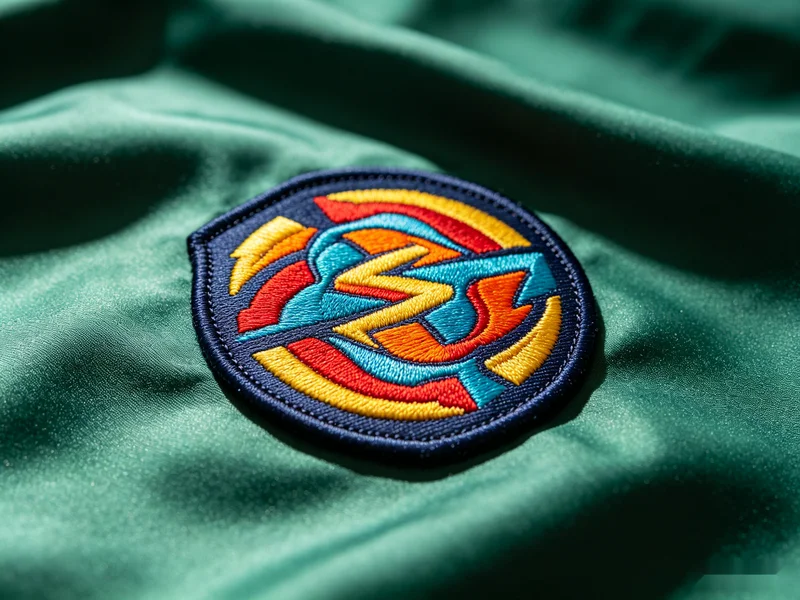
What Industries Commonly Use Satin Patches?
Fashion Brands
Luxury and designer brands often use satin patches to create sophisticated branding elements.
Lingerie and Sleepwear
The smooth and soft nature of satin complements intimate apparel products.
Sportswear
Premium sportswear collections frequently incorporate satin patches for limited editions and special product launches.
Children’s Apparel
Satin patches can add a soft decorative touch while maintaining comfort.
Promotional Merchandise
High-end promotional products often use satin patches to create a more upscale brand image.
Satin Patches vs Twill Patches
When comparing satin fabric patches with traditional twill patches, each material offers unique advantages.
| Feature | Satin Patches | Twill Patches |
|---|---|---|
| Appearance | Glossy and luxurious | Matte and professional |
| Texture | Smooth and soft | Durable and structured |
| Color Vibrancy | Excellent | Good |
| Fashion Appeal | High | Medium |
| Durability | Medium to High | High |
| Uniform Applications | Limited | Excellent |
Brands should select the material that best matches their target market and product positioning.
How to Design Effective Satin Logo Patches
Design plays a critical role in maximizing the impact of satin logo patches.
Keep Artwork Clean
Simple and recognizable logos often perform best on satin surfaces.
Use Strong Contrast
High contrast improves readability and logo visibility.
Consider Fabric Reflection
The glossy nature of satin can affect how colors appear under different lighting conditions.
Match Patch Size to Product
The patch should be proportionate to the garment or accessory while maintaining brand visibility.
Choose Appropriate Decoration Techniques
Embroidery works well for bold logos, while printing is often better for intricate artwork.
What Should B2B Buyers Look for in a Satin Patch Supplier?
When sourcing custom satin patches, businesses should evaluate suppliers based on several factors.
Fabric Quality
Premium satin fabric ensures a consistent appearance and comfortable feel.
Manufacturing Experience
Working with experienced manufacturers helps avoid issues such as puckering, distortion, or inconsistent finishing.
Customization Options
Look for suppliers offering:
- Multiple patch sizes
- Custom shapes
- Various backing choices
- Different border styles
Quality Control
Strict quality standards are essential for luxury-oriented products.
Production Capacity
A reliable supplier should support both small custom orders and large-scale manufacturing projects.
FAQ
What are Satin Patches?
Satin Patches are patches made using satin fabric, known for its smooth texture and elegant sheen.
What are the advantages of satin fabric patches?
They offer a premium appearance, vibrant colors, soft texture, and strong branding appeal.
Can satin patches be embroidered?
Yes. Satin embroidered patches are commonly used in fashion and premium apparel applications.
Are satin patches suitable for uniforms?
They can be used for premium uniforms, but twill patches are generally preferred for heavy-duty workwear.
What industries use satin logo patches?
Fashion, lingerie, sleepwear, sportswear, children’s apparel, and promotional merchandise industries commonly use them.
What backing options are available for satin patches?
Sew-on, iron-on, adhesive, and Velcro backing are the most common options.
Conclusion
Satin Patches are an excellent choice for brands seeking a more sophisticated and premium branding solution. Their smooth texture, elegant appearance, and versatility make them particularly suitable for fashion apparel, luxury garments, lingerie, and boutique accessories. Whether produced as custom satin patches, embroidered logos, or printed branding elements, satin patches help elevate product presentation and enhance perceived value. For businesses looking to create a high-end image, satin logo patches offer a distinctive and visually appealing alternative to traditional patch materials.
About Author
——————————————————————————————————————————————

Apollo
Senior E-commerce Manager
Apollo is an experienced e-commerce manager specializing in patches, apparel accessories, and digital marketing, helping global textile brands grow with proven online strategies.
——————————————————————————————————————————————