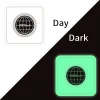
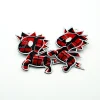
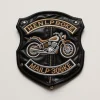
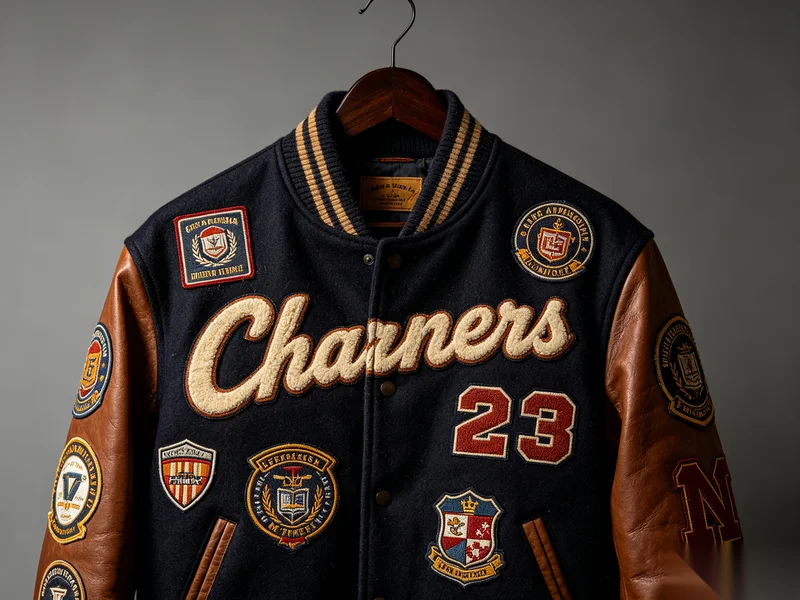
A patch band is a decorative or functional band made from connected patches or embroidered elements, commonly used on sleeves, hems, collars, or accessories. Apparel brands and uniform suppliers use patch bands to add identity, visual rhythm, and modular design value to garments.
What Does “Patch Band” Mean in Apparel Design?
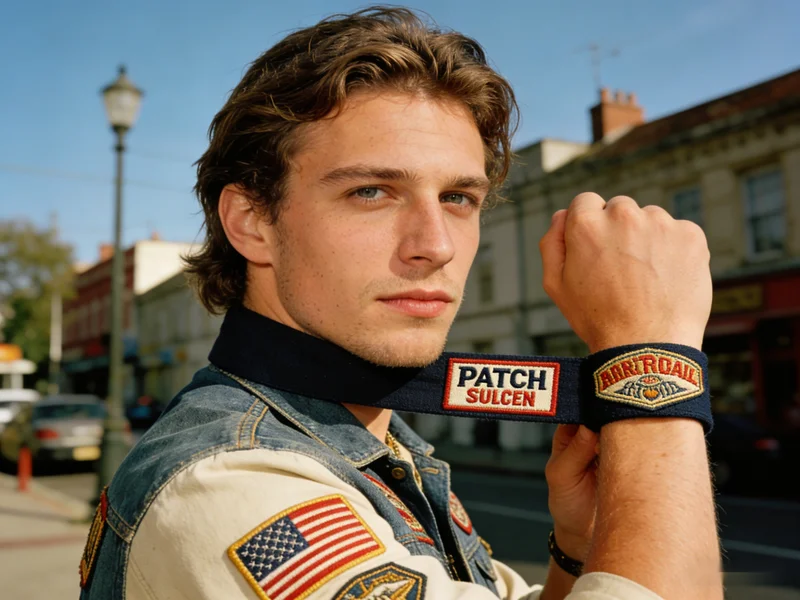
In apparel and textile manufacturing, a patch band refers to a continuous or segmented strip composed of patches, embroidery units, or repeated motifs arranged in a band-like layout. Rather than a single standalone patch, a patch band creates a visual flow across a garment area.
Patch bands are especially popular in:
- sports and team apparel
- streetwear collections
- uniforms and workwear
- heritage or retro-inspired designs
For B2B buyers, patch bands offer a way to scale visual branding without redesigning entire garments.
Why Are Patch Bands Gaining Popularity in Modern Apparel?
Patch bands sit between minimal branding and full-surface decoration. This balance is exactly why many brands are adopting them.
Key reasons include:
- strong visual identity without overwhelming the garment
- modular design that can be reused across styles
- clear placement logic for production consistency
- easy adaptation for different collections or seasons
From a design perspective, patch bands provide structure. From a production perspective, they offer efficiency.
Common Applications of Patch Bands
Sleeve Patch Bands
One of the most popular uses. Patch bands run along:
- upper sleeves
- cuffs
- forearms
Often used in sportswear, varsity jackets, and hoodies.
Hem & Waist Patch Bands
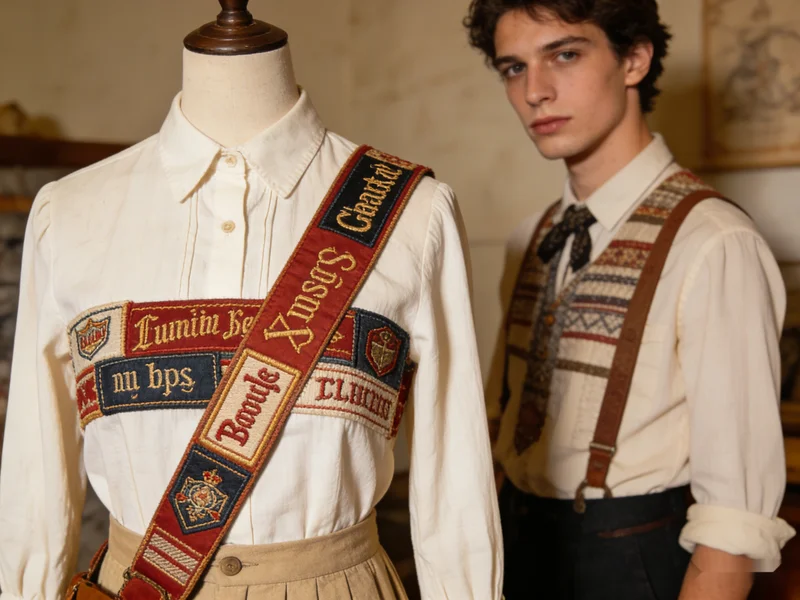
Applied near the bottom edge of:
- jackets
- sweatshirts
- knitwear
This placement adds subtle branding while maintaining clean front and back panels.
Shoulder & Yoke Patch Bands
Patch bands placed across the shoulder line or back yoke are common in:
- workwear
- uniforms
- tactical or utility apparel
They emphasize structure and authority.
Hat & Accessory Patch Bands
Used on:
- caps
- beanies
- bags
Patch bands wrap around the item, creating a 360-degree visual effect.
Popular Design Styles for Patch Bands
1. Repeating Logo Patch Bands
Small logos repeated at equal spacing.
Best for brand recognition without oversized graphics.
2. Letter-Based Patch Bands
Individual letters forming:
- brand names
- slogans
- team names
This approach allows flexibility and reordering.
3. Symbol or Icon Patch Bands
Using icons, mascots, or symbols instead of text.
Works well for lifestyle and streetwear brands.
4. Heritage or Retro Patch Bands
Inspired by:
- vintage sportswear
- military insignia
- classic work uniforms
These designs appeal strongly to heritage-focused brands.
5. Mixed Patch & Embroidery Bands
Combining flat embroidery with raised patch elements for depth and contrast.
How Patch Bands Add Value for B2B Apparel Buyers
Consistency Across Product Lines
Patch bands can be reused across:
- jackets
- hoodies
- pants
- accessories
This creates a unified visual system.
Scalable Customization
Brands can customize:
- patch count
- spacing
- band length
Without changing the core design concept.
Cost Control at Scale
Compared to full-garment embroidery or printing, patch bands often:
- reduce stitch density
- simplify artwork adaptation
- improve production predictability
Design Tips for Creating Effective Patch Bands
Keep a Clear Rhythm
Even spacing and consistent sizing create a professional look.
Design for Movement
Patch bands should follow the garment’s natural lines, especially on sleeves and hems.
Limit Visual Noise
Simple icons or letters work better than overly detailed artwork when repeated.
Plan for Garment Sizes
Patch band length should scale cleanly across size ranges.
Think in Systems, Not Singles
Patch bands work best when designed as part of a broader branding system.
Patch Band vs Single Large Patch
| Aspect | Patch Band | Single Patch |
|---|---|---|
| Visual impact | Distributed, rhythmic | Centralized |
| Branding style | Subtle, repeatable | Bold, statement |
| Scalability | High | Medium |
| Design flexibility | Strong | Limited |
Many brands use both depending on garment placement.
Industries That Commonly Use Patch Bands
- sports teams and clubs
- streetwear brands
- school and varsity programs
- workwear manufacturers
- promotional apparel suppliers
Patch bands are especially effective where identity and uniformity matter.
Creative Use Cases for Patch Bands
Team Travel Apparel
Patch bands reinforce team identity without affecting comfort.
Limited Edition Drops
Changing patch band colors or layouts creates easy seasonal variation.
Uniform Differentiation
Departments or roles can be identified through patch band variations.
Brand Storytelling
Icons or symbols arranged in a band can visually narrate brand values.
FAQ: Patch Band Design & Usage
Q: Can patch bands be customized for different garments?
Yes. Length, spacing, and layout can be adjusted per garment type.
Q: Are patch bands suitable for lightweight apparel?
They work best on mid- to heavy-weight fabrics where structure is stable.
Q: Can patch bands replace traditional logos?
In many designs, yes. They function as a repeated logo system.
Q: Are patch bands mainly decorative?
They are decorative, but also support branding consistency and recognition.
Design Trends Involving Patch Bands
- minimalist repeating logos
- retro varsity-inspired bands
- tonal patch bands for subtle branding
- mixed icon-and-letter sequences
- sleeve-focused identity systems
These trends reflect a move toward modular branding in apparel.
Conclusion
A patch band is more than a decorative strip—it is a flexible design system that helps apparel brands express identity, maintain consistency, and scale designs efficiently. For B2B buyers, patch bands offer a smart balance between creativity and production practicality.
When designed thoughtfully, patch bands can become a signature element across entire apparel collections, strengthening brand recognition without overwhelming the garment.
About Author
——————————————————————————————————————————————

Apollo
Senior E-commerce Manager
Apollo is an experienced e-commerce manager specializing in patches, apparel accessories, and digital marketing, helping global textile brands grow with proven online strategies.
——————————————————————————————————————————————