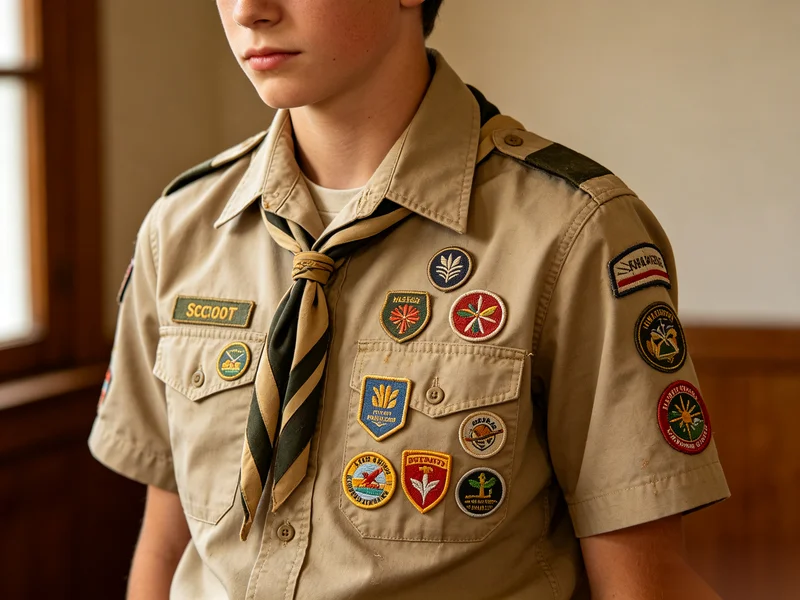
A backwards American flag patch is intentionally designed with the stars facing forward to symbolize forward movement and commitment. Commonly used on military, tactical, and uniform apparel, this orientation represents advancing while never retreating, aligning symbolism with function and tradition.
What Is a Backwards American Flag Patch?
A backwards American flag patch—also known as a reverse American flag patch—features the union (stars) positioned on the right side instead of the left. While it may appear reversed at first glance, this design follows established uniform conventions.
Rather than being decorative, the backwards orientation is symbolic and purposeful, especially in professional and uniformed settings.

Why Is the American Flag Patch Reversed on Uniforms?
The core idea is forward motion.
Historically, when flags were carried into battle, the flagpole was held forward, causing the flag to stream backward. To replicate this appearance on a uniform sleeve, the stars must face forward.
This design represents:
- advancing forward
- honor and respect for the flag
- readiness and duty
- movement, not retreat
For uniform designers, this symbolism is a key reason the backwards American flag patch remains standard.

Who Commonly Uses Backwards American Flag Patches?
Military Uniforms
This is the most traditional and widely recognized use.
The backwards orientation aligns with official uniform standards and historical precedent.
Law Enforcement & Security Apparel
Police, sheriff, and private security uniforms often adopt the same orientation to convey authority and professionalism.
Tactical & Outdoor Gear Brands
Many tactical apparel brands use backwards flag patches to reinforce functionality, movement, and mission-driven design.

First Responder & Emergency Services
Fire and rescue teams may use subdued or tonal backwards flag patches for cohesion and clarity.
Backwards American Flag Patch Placement Guidelines
Right Sleeve Placement
The most common and accepted location.
Design rationale:
The flag appears as if moving forward when the wearer advances.

Left Sleeve (Less Common)
Used occasionally for symmetry or specific uniform systems.
Design note:
When placed on the left sleeve, the standard (non-reversed) flag is typically used.
Chest or Front Panel
Less traditional but sometimes used on tactical vests or outerwear.
Design tip:
Keep the orientation consistent with movement direction.
Design Styles for Backwards American Flag Patches
1. Full-Color Traditional Style
- red, white, and blue
- high visibility
- ceremonial or formal uniforms
2. Subdued / Tactical Style
- black & white
- olive drab
- tan or desert tones
Popular for tactical, military, and field uniforms.
3. Minimalist Outline Style
- single-line embroidery
- low visual noise
Works well for modern uniform systems.
4. Vintage or Heritage Style
- muted colors
- distressed or classic look
Often used by heritage-inspired workwear brands.
Design Inspiration: How Brands Use Backwards Flag Patches
Uniform Identity Without Overpowering Design
Smaller backwards American flag patches reinforce identity without dominating the uniform.
Pairing With Unit or Role Insignia
The flag acts as a constant national identifier, while other patches change by role or rank.
Seasonal or Mission-Specific Variations
Using different colorways for:
- training
- ceremonial events
- field operations
Backwards American Flag Patch vs Standard Flag Patch
| Aspect | Backwards Flag Patch | Standard Flag Patch |
|---|---|---|
| Star orientation | Faces forward | Faces left |
| Symbolism | Forward movement | Static display |
| Common use | Right sleeve uniforms | Left chest / casual apparel |
| Design intent | Functional & symbolic | Decorative or identity-based |
Understanding this difference helps design teams avoid incorrect usage.
Common Design Mistakes to Avoid
- placing a reversed flag on the left sleeve
- mixing forward and backward flags on the same garment
- incorrect proportions or stripe counts
- using overly bright colors on tactical uniforms
Consistency and accuracy are critical, especially for official apparel.
FAQ: Backwards American Flag Patch
Q: Is the backwards American flag patch disrespectful?
No. It follows official military and uniform conventions.
Q: Is it required to use a backwards flag on the right sleeve?
In many uniform systems, yes, to reflect forward motion.
Q: Can brands use backwards flag patches on commercial apparel?
Yes, especially in tactical or heritage-inspired collections.
Q: Are subdued versions acceptable?
Yes. Subdued styles are widely used in professional uniforms.
Design Considerations for B2B Buyers
For uniform suppliers and apparel brands:
- accuracy matters more than decoration
- symbolism should align with garment function
- placement consistency improves professionalism
- design restraint builds trust
A well-designed backwards American flag patch signals respect, intention, and attention to detail.
Conclusion
The backwards American flag patch is not a design mistake—it is a meaningful symbol of forward movement, duty, and respect. When used correctly, it adds depth and authenticity to uniforms and professional apparel.
For designers and B2B apparel buyers, understanding its purpose and proper placement ensures uniforms communicate the right message—visually, culturally, and symbolically.
About Author
——————————————————————————————————————————————

Apollo
Senior E-commerce Manager
Apollo is an experienced e-commerce manager specializing in patches, apparel accessories, and digital marketing, helping global textile brands grow with proven online strategies.
——————————————————————————————————————————————