When comparing screen print vs heat transfer, screen printing is best for large-volume orders with simple designs, while heat transfer printing excels at full-color, detailed artwork and short runs. Apparel brands choose based on order size, design complexity, fabric type, and production efficiency.
What Is Screen Printing?
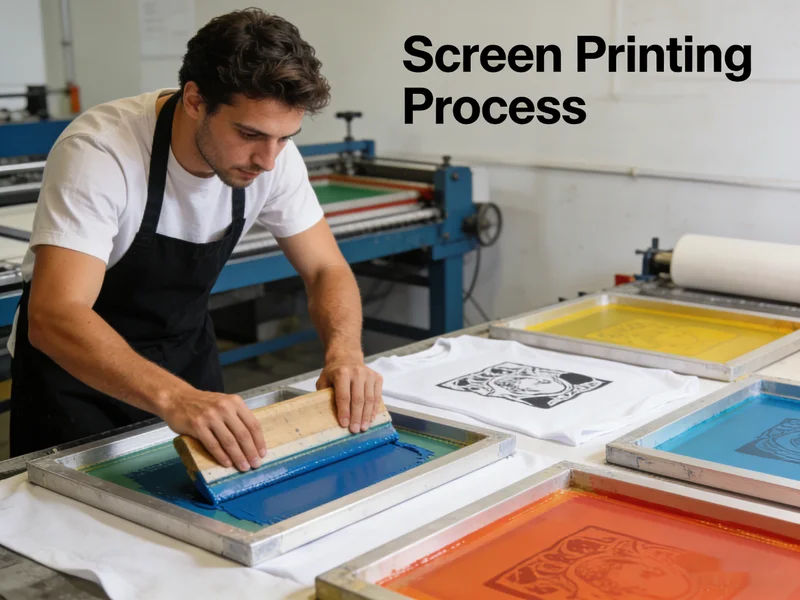
Screen printing is a traditional apparel decoration method where ink is pushed through a mesh screen onto fabric. Each color requires a separate screen, making the process ideal for simple, bold designs produced in large quantities.
This method has been widely used in apparel manufacturing for decades and remains a core production technique for mass-market clothing.
What Is Heat Transfer Printing?
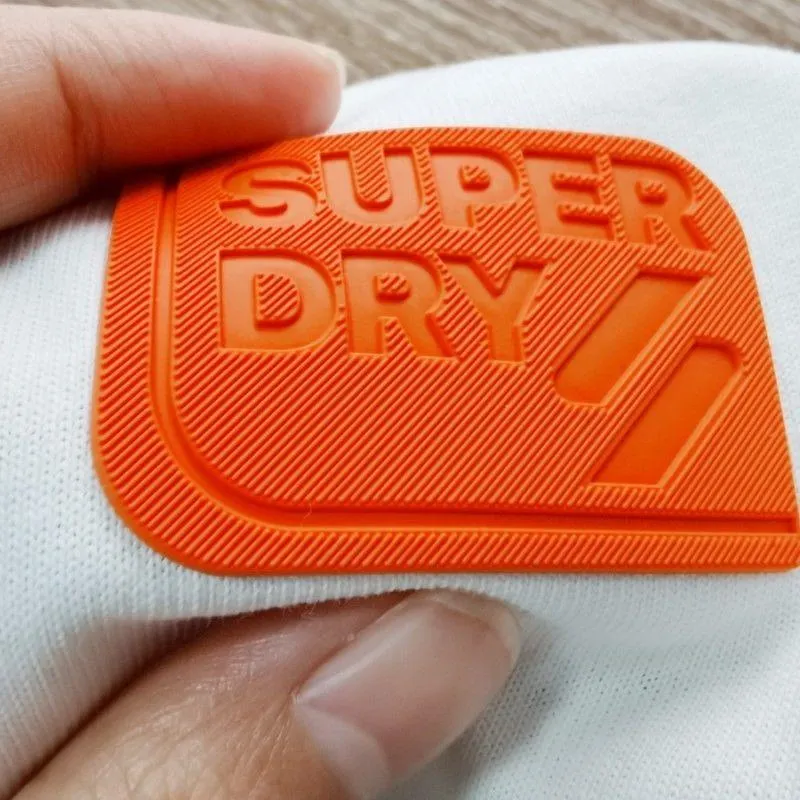
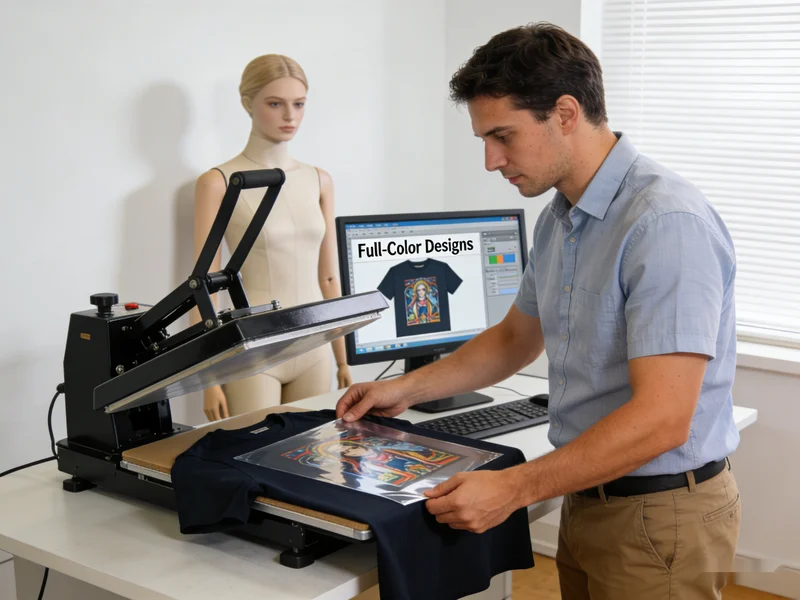
Heat transfer printing involves applying a pre-printed design onto fabric using heat and pressure. The design is transferred from a film, paper, or vinyl onto the garment surface.
Heat transfer printing supports:
- full-color designs
- gradients and fine details
- small batch production
It is commonly used for customized apparel, promotional items, and short-run orders.
Screen Print vs Heat Transfer: Key Differences at a Glance
| Feature | Screen Printing | Heat Transfer Printing |
|---|---|---|
| Best for | Large volumes | Small to medium runs |
| Color limitation | Limited (per screen) | Unlimited colors |
| Setup cost | Higher | Lower |
| Cost per unit (bulk) | Lower | Higher |
| Detail capability | Medium | High |
| Durability | Very high | High (varies by material) |

How Does Screen Printing Work?
The process typically includes:
- Separating artwork by color
- Creating screens for each color
- Applying ink layer by layer
- Curing the ink with heat
Once setup is complete, screen printing becomes extremely efficient for high-volume production.
How Does Heat Transfer Printing Work?
Heat transfer printing usually follows these steps:
- Printing the design onto transfer media
- Positioning the transfer on the garment
- Applying heat and pressure
- Peeling the carrier layer
Different heat transfer methods include vinyl, plastisol transfers, and sublimation.
When Should You Choose Screen Printing?
Screen printing is the better option when:
- order quantities are large
- designs use few colors
- artwork is bold and simple
- long-term durability is required
- cost efficiency at scale matters
For B2B buyers producing thousands of identical garments, screen printing offers unmatched unit economics.
When Is Heat Transfer the Better Choice?
Heat transfer printing is ideal when:
- designs include gradients or photos
- multiple SKUs or personalization are needed
- order quantities are small or variable
- fast turnaround is required
- on-demand production is preferred
This makes heat transfer popular for promotional apparel and custom merchandise.
Durability: Screen Print vs Heat Transfer
Screen printing inks bond directly with fabric fibers, resulting in excellent wash resistance and longevity.
Heat transfer durability depends on:
- transfer material quality
- application temperature and pressure
- garment fabric
High-quality heat transfers can perform well, but low-cost transfers may crack or peel over time.
Fabric Compatibility Comparison
| Fabric Type | Screen Printing | Heat Transfer |
|---|---|---|
| Cotton | Excellent | Excellent |
| Polyester | Good (with special ink) | Very good |
| Blends | Good | Very good |
| Performance fabrics | Limited | Excellent |
Heat transfer is generally more flexible across fabric types.
Cost Considerations for B2B Buyers
- Screen printing has higher setup costs but lower unit costs at scale
- Heat transfer printing has minimal setup but higher per-unit costs
For wholesale buyers, order size is often the deciding factor.
Design Flexibility Comparison
Screen printing:
- Best for logos, text, and solid shapes
- Less suitable for complex gradients
Heat transfer:
- Ideal for detailed artwork
- Supports photographic and multi-color designs
Design complexity strongly influences method selection.
Production Speed & Scalability
Screen printing:
- Slower setup
- Extremely fast once running
Heat transfer:
- Faster setup
- Slower per-unit application
For growing brands, scalability planning is essential.
Screen Print vs Heat Transfer for B2B Apparel Brands
Best Use Cases for Screen Printing
- uniforms
- promotional T-shirts
- retail basics
- large wholesale orders
Best Use Cases for Heat Transfer
- custom apparel
- event merchandise
- personalized jerseys
- short-run fashion collections
Many brands use both methods depending on product line.
Which Printing Method Looks More Premium?
- Screen printing offers a classic, integrated look
- Heat transfer provides sharper details and color depth
Perceived quality depends more on execution than method alone.
FAQ: Screen Print vs Heat Transfer
Q: Is screen printing more durable than heat transfer?
Generally yes, especially for high-wear garments.
Q: Can heat transfer be used for bulk orders?
Yes, but costs may be higher compared to screen printing.
Q: Which method is better for logos with gradients?
Heat transfer printing performs better with gradients.
Q: Can both methods be combined in one collection?
Absolutely. Many apparel brands mix methods strategically.
Current Industry Trends
- hybrid production models (screen + transfer)
- on-demand heat transfer for personalization
- eco-friendly inks and transfer materials
- automation in screen printing lines
These trends reflect evolving apparel manufacturing needs.
Conclusion
The choice between screen print vs heat transfer depends on volume, design complexity, fabric type, and production goals. Screen printing remains the most cost-effective solution for large-scale, simple designs, while heat transfer printing offers unmatched flexibility for customization and detailed artwork.
For B2B buyers and apparel brands, understanding these differences enables smarter production decisions and better product performance.
About Author
——————————————————————————————————————————————

Apollo
Senior E-commerce Manager
Apollo is an experienced e-commerce manager specializing in patches, apparel accessories, and digital marketing, helping global textile brands grow with proven online strategies.
——————————————————————————————————————————————