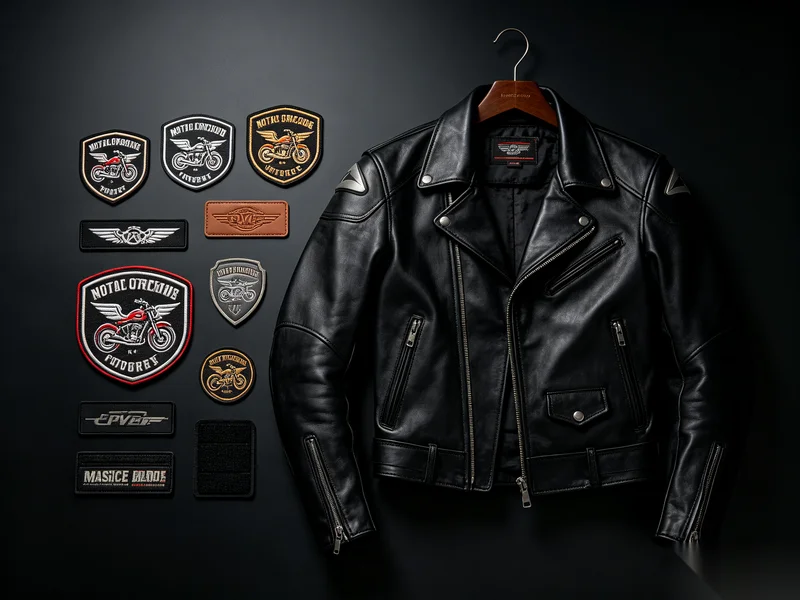
The difference between Direct Printing Silicone and Reverse Printing Silicone lies in how the graphic is formed and experienced. Direct printing places the design on the surface for a visible, 3D tactile effect, while reverse printing embeds the design inside silicone for smoother touch and richer color expression.
Why Do Brands Ask About Direct vs. Reverse Printing Silicone So Often?
When working with apparel and accessory brands, one question comes up repeatedly:
“What is the real difference between direct printing silicone and reverse printing silicone?”
From a technical perspective, the distinction is straightforward.
From a brand expression and user experience perspective, however, these two techniques communicate completely different messages.
Choosing between them is not just a production decision—it is a design language decision.
What Is Direct Printing Silicone?
Process Overview
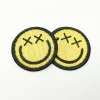
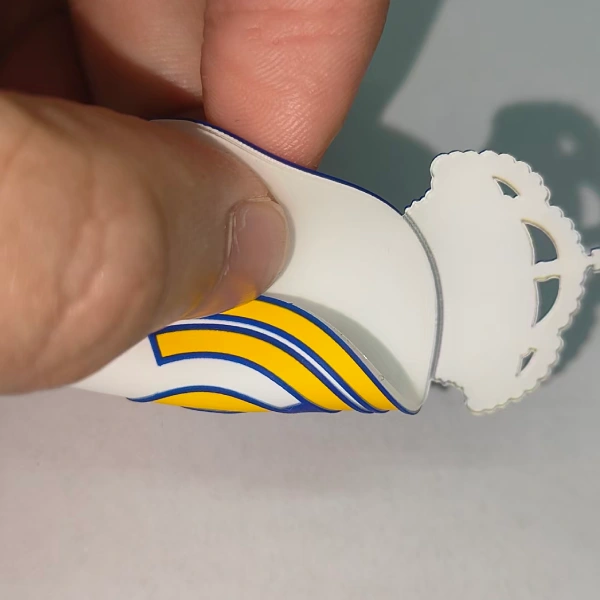
With Direct Printing Silicone, the silicone ink is printed directly onto the surface of the transfer or fabric. The graphic is fully exposed on the top layer.
Key Visual & Tactile Characteristics
- Softer, slightly lighter color tone
- Clear, sharp graphic edges
- Easy to build 3D or raised effects
- Strong sense of texture and depth
When you run your fingers across a direct-printed silicone logo, the height difference is clearly noticeable.
When Should Brands Choose Direct Printing Silicone?
Direct printing silicone is ideal for:
- Streetwear brands
- Sportswear and athletic apparel
- Fashion-forward collections
- Logos meant to be seen and felt
It delivers a bold, expressive look that emphasizes energy, movement, and individuality.
What Is Reverse Printing Silicone?
Process Overview
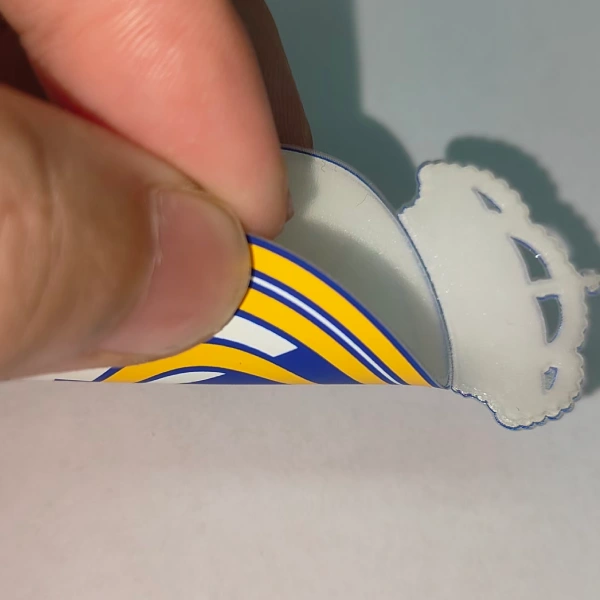
With Reverse Printing Silicone, the graphic is printed first and then encapsulated inside the silicone layer. The final surface you touch is pure silicone.
Key Visual & Tactile Characteristics
- Brighter, more saturated colors
- Graphics protected inside the silicone
- Smooth, flat, and soft surface
- Extremely comfortable hand feel
Instead of texture contrast, reverse printing emphasizes softness and safety.
When Should Brands Choose Reverse Printing Silicone?
Reverse printing silicone is particularly suitable for:
- Children’s apparel
- Yoga and activewear
- Undergarments or close-to-skin garments
- Products where comfort is prioritized over texture
Each touch delivers a gentle, reassuring experience, making it ideal for sensitive use scenarios.
Direct vs. Reverse Printing Silicone: Quick Comparison
| Aspect | Direct Printing Silicone | Reverse Printing Silicone |
|---|---|---|
| Graphic Position | On the surface | Embedded inside silicone |
| Color Appearance | Softer, lighter | Brighter, more vivid |
| Surface Feel | Textured, raised | Smooth, flat, soft |
| 3D Effect | Easy to achieve | Limited |
| Best For | Fashion, sports, streetwear | Kidswear, yoga, intimates |
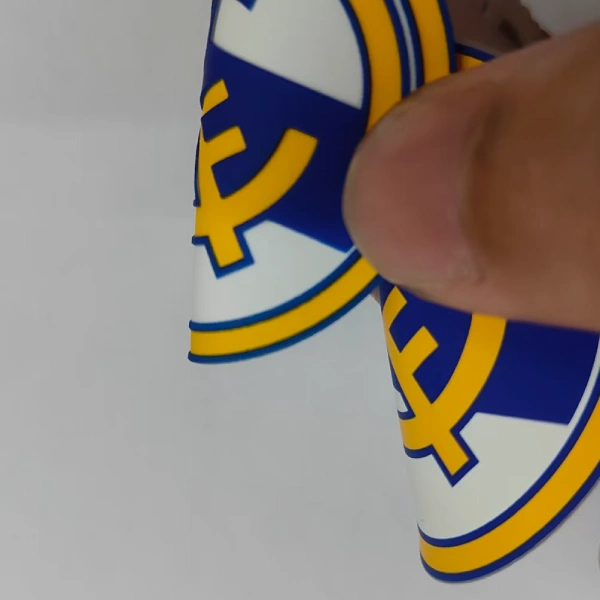
How Should Brands Decide Between the Two?
Ask These Key Questions
- Is the logo meant to be felt or just seen?
- Is the garment worn close to sensitive skin?
- Does the brand emphasize boldness or comfort?
- Is durability through encapsulation important?
There is no universally “better” option—only the right option for the right product context.
FAQ: Direct Printing Silicone vs. Reverse Printing Silicone
Q: Is direct printing silicone more durable?
It is durable, but reverse printing offers extra protection since the graphic is encapsulated.
Q: Can both techniques be used on the same garment?
Yes, depending on design zones and comfort requirements.
Q: Which option is better for children’s clothing?
Reverse printing silicone is generally preferred due to its smooth and soft surface.
Conclusion: Two Techniques, Two Design Languages
From a production standpoint, the difference between Direct Printing Silicone and Reverse Printing Silicone is relatively simple.
From a branding standpoint, however, they represent two entirely different expressions:
- One speaks through texture and dimension
- The other communicates through softness and comfort
Understanding this distinction allows brands to choose not just a technique—but the right sensory experience for their customers.
About Author
——————————————————————————————————————————————

Heidi
Sales Manager
Hi, I’m Heidi, Sales Manager. Known for professionalism and efficiency, I am often recognized as the top sales performer. I believe expertise and dedication build lasting trust with clients.
——————————————————————————————————————————————