Private label clothing tags are customized tags and labels that display a brand’s name, logo, sizing information, or product details instead of a manufacturer’s identity. They help fashion brands establish ownership, strengthen brand recognition, and create a professional, retail-ready product line.
What Are Private Label Clothing Tags?
Private label clothing tags are branding elements specifically created for apparel brands that sell products under their own name. Rather than displaying the factory or supplier information, these tags showcase the retailer’s or brand owner’s identity.
Private label tags are commonly attached to:
- T-shirts
- Hoodies
- Jackets
- Sportswear
- Activewear
- Children’s clothing
- Workwear
- Fashion accessories
For startups and established fashion brands alike, private label tags are one of the most effective ways to build a recognizable brand presence.
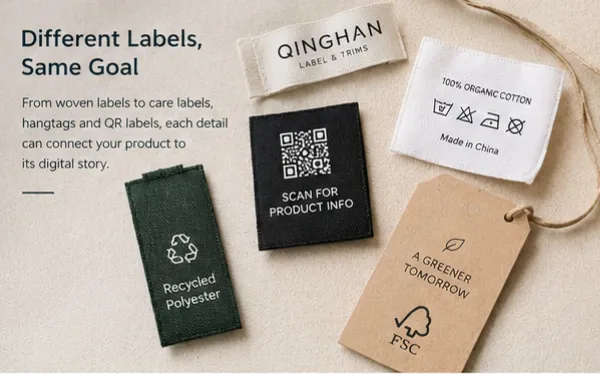
A typical private label garment label may include:
- Brand logo
- Brand name
- Size information
- Care instructions
- Fabric composition
- Country of origin
- Website or QR code
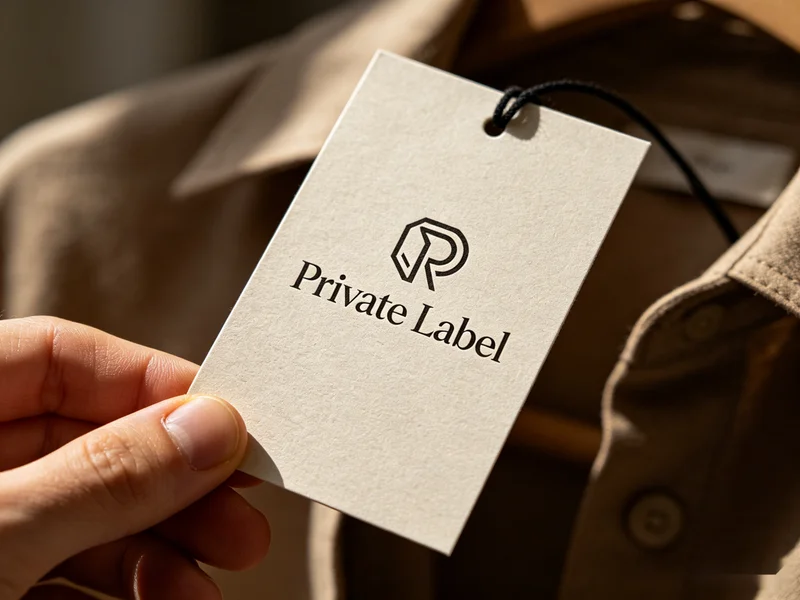
Why Do Apparel Brands Use Private Label Clothing Tags?
The global apparel market is highly competitive, making brand differentiation increasingly important.
Build Brand Identity
Private label tags allow businesses to create a unique brand image that customers can recognize and remember.
Increase Perceived Product Value
Consumers often associate customized branding with higher-quality products.
Strengthen Customer Loyalty
Consistent branding across multiple products encourages repeat purchases and long-term customer relationships.
Create a Professional Appearance
Custom tags make garments look more established and retail-ready.
Support Business Growth
Private labeling enables businesses to sell products under their own brand rather than promoting a third-party manufacturer.
For many fashion companies, private label tags are a foundational part of their branding strategy.
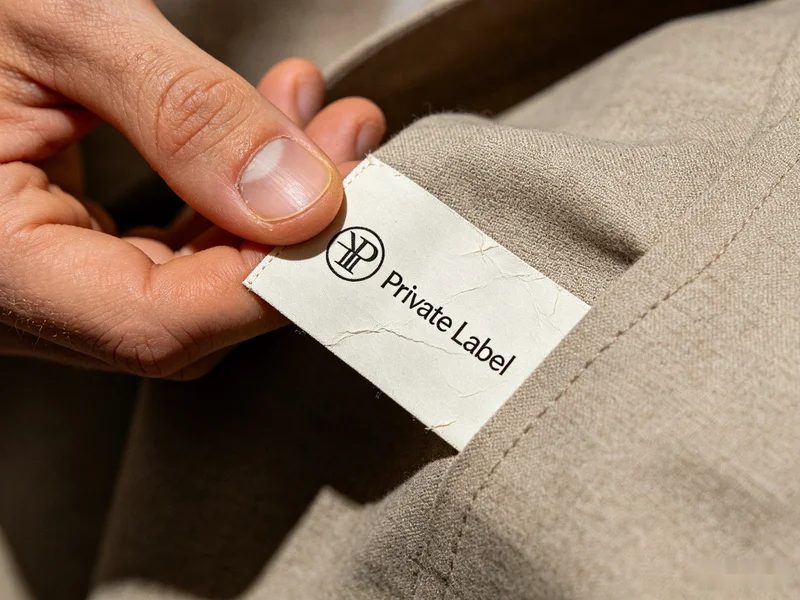
What Types of Private Label Clothing Tags Are Available?
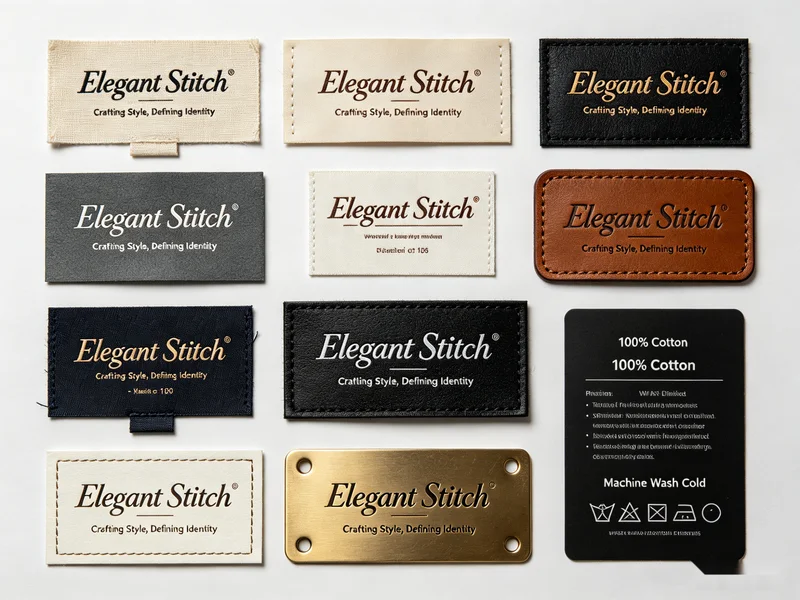
A professional manufacturer can produce various types of custom private label tags depending on the brand’s positioning and target market.
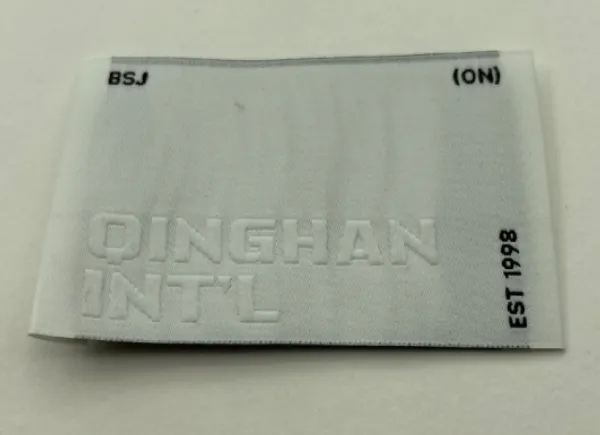
Woven Clothing Tags
Woven tags are one of the most popular options for fashion brands.
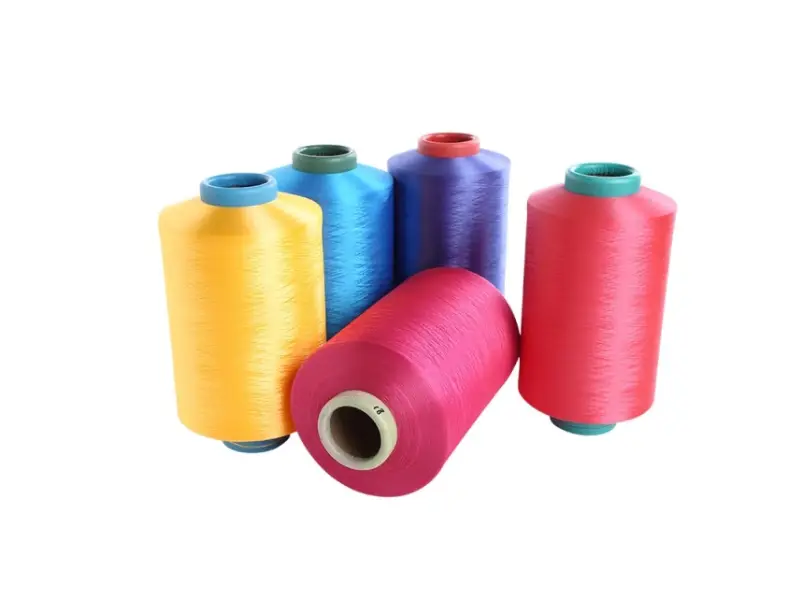
The design is woven directly into the label using colored yarns.
Advantages include:
- Premium appearance
- Excellent durability
- Long-lasting branding
- High-end presentation
Woven labels are widely used in fashion, sportswear, and luxury apparel.
Printed Clothing Tags
Printed tags offer flexibility and cost efficiency.
They are often used for:
- Care labels
- Size labels
- Product information
Printed tags can reproduce fine details and small text effectively.
Satin Clothing Tags
Satin labels provide a smooth and luxurious feel.
They are commonly used for:
- Lingerie
- Sleepwear
- Children’s apparel
- Premium fashion products
Heat Transfer Tags
Heat transfer tags are applied directly to fabric using heat and pressure.
Benefits include:
- Tag-free comfort
- Modern appearance
- Reduced irritation
They are especially popular in activewear and sportswear.
Cotton and Eco-Friendly Tags
Sustainable brands often choose cotton or recycled materials to align with their environmental values.
How Do Private Label Garment Labels Help Build a Brand?
Successful apparel brands understand that every branding detail matters.
Create a Consistent Customer Experience
Using the same logo, colors, and label design across products reinforces brand recognition.
Increase Brand Visibility
Every time a customer wears or handles a garment, the label reinforces brand awareness.
Support Premium Positioning
High-quality labels can elevate a product’s perceived value.
Communicate Brand Story
Many brands use labels to share messages about craftsmanship, sustainability, or product quality.
As a result, labels become an important marketing tool beyond their practical function.
What Information Should Private Label Clothing Tags Include?
The specific content depends on product type and market requirements.
Brand Information
- Brand name
- Logo
- Tagline
Product Information
- Size
- Style number
- Product code
Fiber Content
Examples include:
- Cotton
- Polyester
- Nylon
- Wool
- Blended fabrics
Care Instructions
Washing and maintenance guidelines help customers care for garments properly.
Country of Origin
Many international markets require country-of-origin labeling.
Providing accurate information helps ensure compliance and customer satisfaction.
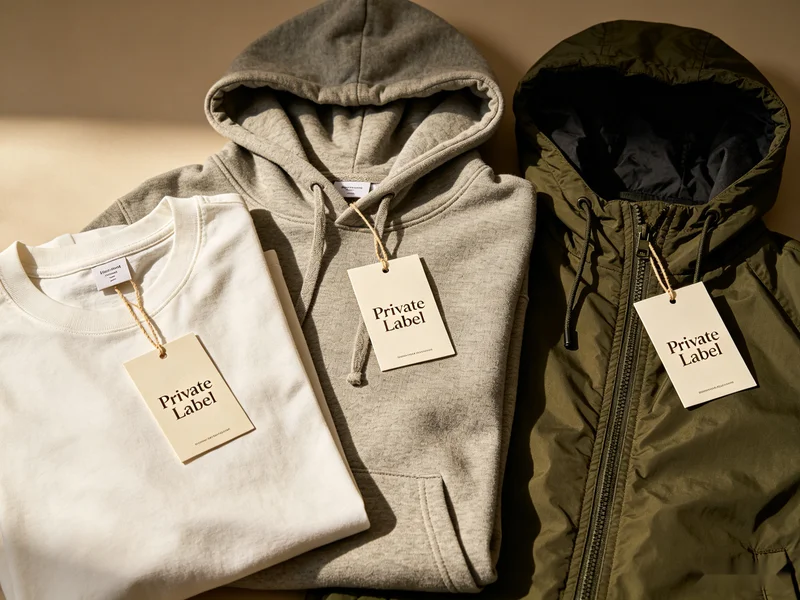
How Are Custom Private Label Tags Manufactured?
The manufacturing process generally follows several stages.
Artwork Preparation
The brand submits logo files and design specifications.
Material Selection
Common materials include:
- Polyester
- Satin
- Cotton
- Nylon
- Recycled materials
Production
Depending on the label type, manufacturing methods may include:
- Weaving
- Screen printing
- Digital printing
- Heat transfer technology
Cutting and Folding
Labels are finished according to customer requirements.
Popular folding styles include:
- End fold
- Center fold
- Manhattan fold
- Straight cut
Quality Inspection
Each batch is checked for:
- Color consistency
- Dimension accuracy
- Print quality
- Material performance
Woven vs Printed Private Label Clothing Tags
Choosing the right label type depends on branding objectives and budget.
| Feature | Woven Tags | Printed Tags |
|---|---|---|
| Durability | High | Medium |
| Premium Appearance | Excellent | Good |
| Fine Detail | Good | Excellent |
| Cost | Higher | Lower |
| Luxury Branding | Excellent | Moderate |
Many brands use woven labels for primary branding and printed labels for care information.


What Should You Look for in a Private Label Tag Manufacturer?
Choosing the right supplier is essential for maintaining product quality and brand consistency.
Experience in Apparel Branding
Manufacturers with apparel industry expertise can provide valuable recommendations.
Customization Capabilities
Look for suppliers offering:
- Custom sizes
- Custom colors
- Multiple materials
- Various folding styles
Quality Control
Consistent quality helps protect brand reputation.
Production Capacity
The supplier should support both startup brands and large-scale production programs.
Sustainable Options
Many brands now seek environmentally friendly materials and production processes.
Working with a reliable manufacturer can simplify long-term brand development.
How Are Private Label Tags Supporting the Growth of Independent Fashion Brands?
The rise of direct-to-consumer brands, e-commerce businesses, and niche fashion labels has increased demand for private labeling.
Private label clothing tags allow businesses to:
- Launch unique product lines
- Build stronger brand recognition
- Improve product presentation
- Differentiate from competitors
- Increase customer loyalty
As more brands focus on creating their own identity, demand for customized apparel labeling continues to grow.
FAQ
What are private label clothing tags?
Private label clothing tags are customized labels that display a brand’s name, logo, and product information instead of the manufacturer’s branding.
Why are private label garment labels important?
They help build brand identity, improve customer recognition, and create a more professional product presentation.
What materials are commonly used for custom private label tags?
Popular materials include polyester, satin, cotton, nylon, and recycled fabrics.
Are woven labels suitable for premium fashion brands?
Yes. Woven labels are widely used by premium brands because of their durability and high-end appearance.
Can private label clothing tags be customized?
Yes. Manufacturers can customize logos, colors, sizes, materials, folding styles, and application methods.
What is the difference between woven and printed clothing brand tags?
Woven tags create designs using yarns and offer greater durability, while printed tags reproduce fine details and are generally more cost-effective.
Conclusion
Private label clothing tags are essential tools for building a successful apparel brand. Whether produced as woven labels, satin tags, printed labels, or heat transfer solutions, they help establish brand identity, enhance product value, and improve customer recognition. For fashion startups, private-label businesses, sportswear companies, and established apparel brands, investing in high-quality custom private label tags is a practical and effective way to create a stronger market presence and support long-term brand growth.
About Author
——————————————————————————————————————————————

Apollo
Senior E-commerce Manager
Apollo is an experienced e-commerce manager specializing in patches, apparel accessories, and digital marketing, helping global textile brands grow with proven online strategies.
——————————————————————————————————————————————