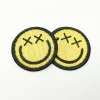
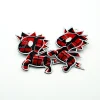
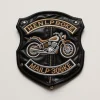
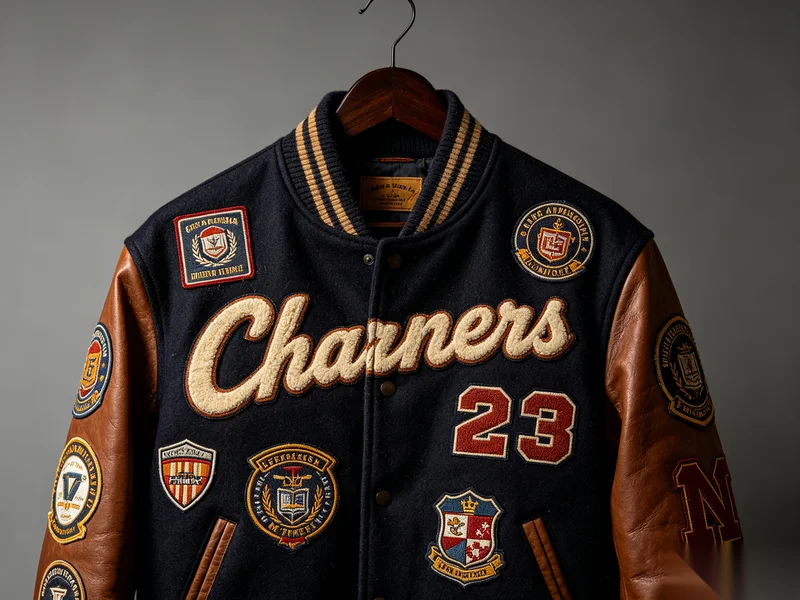
Iron on patches for jeans are fabric patches with heat-activated adhesive backing designed to bond to denim using heat and pressure. They are widely used for repairing damaged jeans or adding decorative elements, offering a fast, durable, and cost-effective solution for both fashion brands and apparel manufacturers.
What Are Iron On Patches for Jeans?
Iron on patches for jeans are patches specifically designed to be applied to denim fabrics using heat. These patches come with a special adhesive backing that melts and bonds to the fabric when exposed to high temperatures.
They are commonly used for both repair and decoration. In B2B applications, custom jean patches are widely used by fashion brands, manufacturers, and retailers to enhance product value or fix damaged garments.
Compared to sewing, iron-on patches offer a faster and more efficient solution, especially for bulk production.

Why Are Iron On Patches Ideal for Denim?
Denim is one of the most suitable fabrics for denim iron on patches due to its durability and heat resistance.
The thick structure of denim allows strong adhesion when heat is applied. This ensures that the patch stays securely attached even after repeated washing and wear.
In addition, jeans are often subject to wear and tear, making patches a practical solution for repairs. At the same time, patches are widely used as a fashion element, adding personality and uniqueness to denim products.
For businesses, this combination of functionality and style makes iron-on patches highly valuable.
How Do Iron On Patches Work on Jeans?
The application process for heat transfer patches for denim is simple and efficient.
First, the patch is placed on the desired area of the jeans. A heat press machine or industrial iron is then used to apply heat and pressure.
The adhesive backing melts and bonds with the denim fibers. After cooling, the patch becomes securely attached to the fabric.
This process is quick and repeatable, making it ideal for large-scale production environments where consistency is important.
What Types of Iron On Patches Are Used for Jeans?
There are several types of iron on patches for jeans, each offering different benefits.
Embroidered patches are the most common, providing a textured and durable finish.
Printed patches are suitable for designs with complex colors or gradients.
Denim patches are often used for repair purposes, blending seamlessly with the original fabric.
Leather patches are also popular for branding, especially on the back waistband of jeans.
Choosing the right type depends on whether the goal is repair, decoration, or branding.
When Should Businesses Use Iron On Patches for Jeans?
Businesses use custom jean patches in various scenarios.
They are widely used in garment repair, allowing manufacturers and retailers to fix damaged products instead of discarding them.
In fashion design, patches are used as decorative elements to create unique styles and increase product appeal.
They are also used in branding, where patches display logos or labels on denim products.
For promotional purposes, patches can add value and differentiation to limited-edition collections.
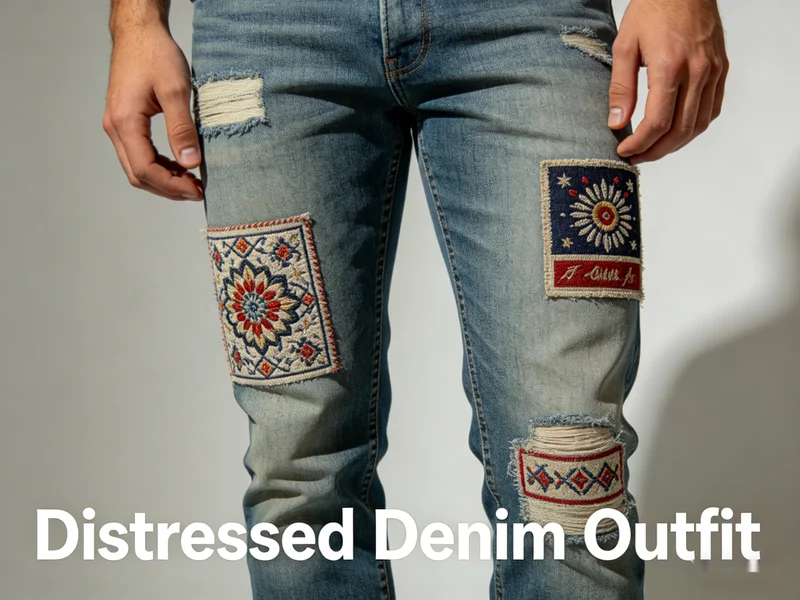
Iron On vs Sew-On Patches for Jeans
When comparing application methods, both options have advantages.
Iron-on patches offer speed and efficiency, making them ideal for bulk production. They require less labor and can be applied quickly.
Sew-on patches provide maximum durability, especially for areas subject to heavy stress.
For many applications, businesses combine both methods—using heat for initial placement and stitching for reinforcement.

What Should B2B Buyers Consider Before Ordering?
Before ordering heat transfer patches for denim, businesses should evaluate several factors.
Adhesive quality is critical to ensure strong bonding with denim fabric.
Patch size and thickness should match the intended application area.
Design complexity affects production cost and visual clarity.
Order quantity impacts pricing, with bulk orders offering better cost efficiency.
Lead time and supplier reliability are also important for meeting production schedules.
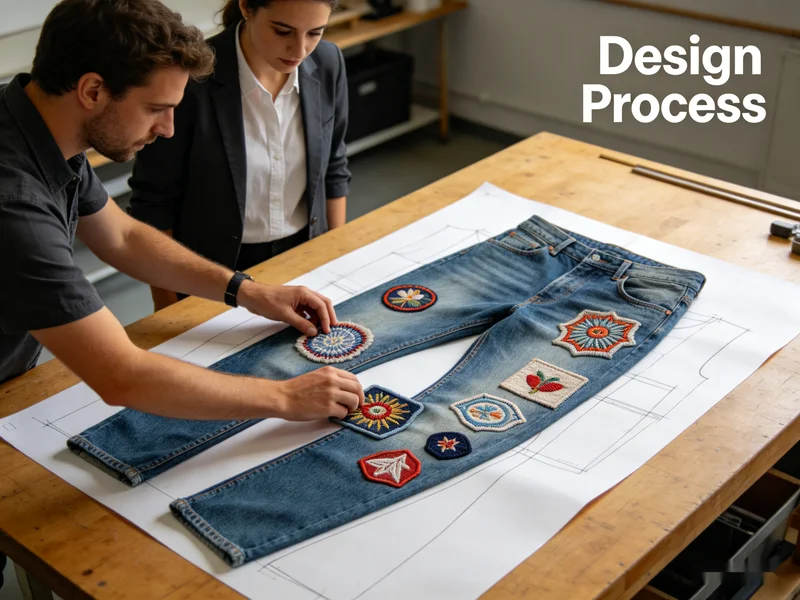
How to Ensure Long-Lasting Results?
To achieve the best performance with denim iron on patches, proper application is essential.
Using the correct temperature and pressure ensures strong adhesion. Allowing the patch to cool completely helps secure the bond.
Washing garments inside out and avoiding high heat drying can extend the life of the patch.
For heavy-use garments, adding stitching reinforcement improves durability.
Working with experienced manufacturers ensures high-quality materials and consistent results.
FAQ
What are iron on patches for jeans used for?
They are used for repairing damaged denim and adding decorative or branding elements.
Do iron on patches work well on denim?
Yes, denim is one of the best fabrics for heat-applied patches due to its thickness and durability.
Are iron on patches permanent?
They are durable, but stitching can be added for extra strength in heavy-use areas.
Can I customize patches for jeans?
Yes, patches can be customized in design, size, and material.
What temperature is needed for application?
Typically 150–180°C (300–350°F), depending on the adhesive.
How long does production take?
Usually 1–3 weeks depending on order size and customization.
Iron on patches for jeans provide businesses with a practical and efficient solution for both repair and fashion enhancement. By combining ease of application with strong durability, they enable brands to improve product value, reduce waste, and streamline production processes in the competitive denim market.
About Author
——————————————————————————————————————————————

Apollo
Senior E-commerce Manager
Apollo is an experienced e-commerce manager specializing in patches, apparel accessories, and digital marketing, helping global textile brands grow with proven online strategies.
——————————————————————————————————————————————