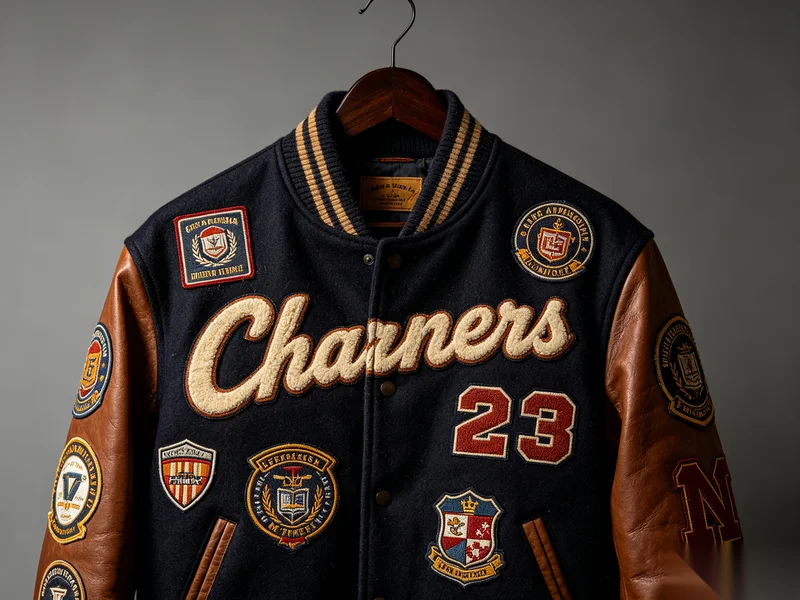
Hangtag size refers to the dimensions of tags attached to garments for branding and product information. Common sizes range from 2”×3.5” to 3”×5”, but the ideal choice depends on brand positioning, design content, and product type to ensure both visibility and practicality.
What Is Hangtag Size?
Hangtag size refers to the physical dimensions of a tag attached to clothing or products, typically used for branding, pricing, and product details. These tags are usually made from paper, cardstock, or specialty materials and are attached using string, ribbon, or plastic fasteners.
For B2B apparel manufacturers and brands, selecting the correct custom hang tag size is essential for balancing aesthetics, functionality, and cost. The size impacts not only visual appeal but also how much information can be displayed.
What Are the Standard Hangtag Sizes?
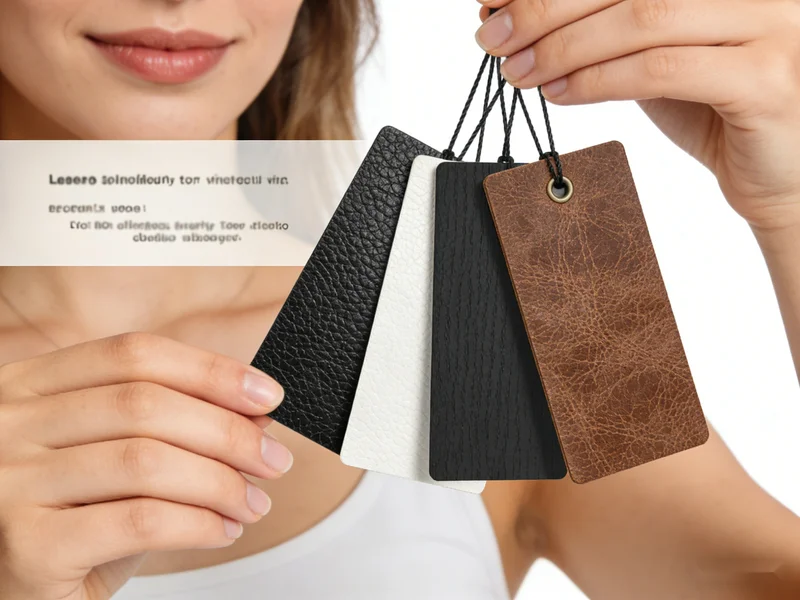
There is no single universal size, but several standard clothing hang tag dimensions are widely used across the apparel industry.
Common Sizes Include:
- 2” × 3.5” (Business Card Size)
Compact and cost-effective, suitable for minimal branding. - 2.5” × 4”
A balanced option offering slightly more space for design and text. - 3” × 5”
Ideal for premium brands that require more room for storytelling and product details. - Custom Sizes
Tailored dimensions for unique branding needs or special product categories.
Choosing the right size depends on how much content you need and the overall brand image you want to present.
Why Does Hangtag Size Matter?
Selecting the appropriate hangtag size plays a critical role in product presentation.
A well-sized tag enhances brand visibility and communicates important information clearly. If the tag is too small, it may not provide enough space for branding or product details. If it is too large, it can feel bulky and increase production costs.
For premium brands, larger tags often create a stronger visual impact and allow for storytelling elements. For mass production, smaller tags help reduce material costs while maintaining essential information.

How to Choose the Right Hangtag Size?
Choosing the correct custom hang tag size requires evaluating several factors.
First, consider the amount of information you need to include. This may include brand logo, product details, pricing, care instructions, and QR codes.
Second, think about the product type. Larger garments like jackets can accommodate bigger tags, while smaller items like accessories may require compact sizes.
Third, align the size with your brand positioning. Luxury brands often prefer larger, thicker tags, while minimalist brands may opt for smaller, clean designs.
Finally, consider production cost and shipping efficiency, especially for garment hang tag design in bulk orders.
What Factors Affect Hangtag Dimensions?
Several factors influence the choice of clothing hang tag dimensions.
Design complexity is one of the main factors. More detailed designs require more space to maintain clarity.
Material selection also plays a role. Thicker or specialty materials may increase the perceived size and weight of the tag.
Attachment method can influence size as well. Tags attached with ribbons or strings may need additional space for holes or reinforcements.
Regulatory requirements, such as labeling laws in certain markets, may also dictate minimum space for required information.

Hangtag Size vs Design: How to Balance Both?
Balancing size and design is essential for effective garment hang tag design.
A smaller tag requires a more minimalistic design approach, focusing on essential elements only. Larger tags allow for more creative freedom, including graphics, textures, and additional branding elements.
Whitespace is also important. Even with larger tags, overcrowding the design can reduce readability and impact.
Using double-sided printing is a common solution to maximize space without increasing size.
When Should You Use Custom Hangtag Sizes?
While standard sizes work for most applications, there are cases where custom hang tag size is more appropriate.
Custom sizes are often used for premium or luxury products where differentiation is important. Unique shapes and dimensions can help a brand stand out on retail shelves.
They are also useful for special collections or limited-edition items, where distinctive packaging adds value.
For technical products, custom sizes may be needed to accommodate detailed specifications or instructions.
What Should B2B Buyers Consider Before Ordering?
Before finalizing a hangtag size, businesses should consider several practical aspects.
Order quantity affects cost, with larger tags generally requiring more material and higher production expenses.
Printing methods and finishes, such as embossing or foil stamping, may influence the final dimensions and design layout.
Durability is another factor, especially for products exposed to handling during shipping and retail display.
Consistency across product lines is important for maintaining a cohesive brand identity.
Working with an experienced supplier ensures that all these factors are properly managed.
FAQ
What is the most common hangtag size?
The most common size is 2” × 3.5”, similar to a business card, due to its balance of cost and functionality.
Can I customize my hangtag size?
Yes, custom sizes are widely available and can be tailored to your branding needs.
Does hangtag size affect cost?
Yes, larger tags generally cost more due to increased material and printing requirements.
What size is best for luxury brands?
Larger sizes such as 3” × 5” are often preferred for a premium look and more design space.
Can small hangtags still look premium?
Yes, with high-quality materials and finishes, even small tags can achieve a premium appearance.
How long does hangtag production take?
Typically 1–2 weeks depending on customization and order volume.
Choosing the right hangtag size is an essential part of apparel branding and product presentation. By balancing design, functionality, and cost, businesses can create effective hangtags that enhance brand image and improve customer experience across all product categories.
About Author
——————————————————————————————————————————————

Apollo
Senior E-commerce Manager
Apollo is an experienced e-commerce manager specializing in patches, apparel accessories, and digital marketing, helping global textile brands grow with proven online strategies.
——————————————————————————————————————————————