What are silicone transfers, and why are they ideal for large-area chest logos in fast-fashion garments?
Short Answer:
Silicone transfers—also known as silicone heat transfers or Silicone Screen Print Patches—provide a clean, flexible, lightweight, and high-definition decoration method for apparel. They are especially effective for large chest logos because they maintain comfort, durability, and visual impact while ensuring stable mass-production.
Detailed Explanation:
For B2B apparel brands, especially within fast-fashion, speed, consistency, and design accuracy are essential. Silicone transfers allow manufacturers to achieve clear edges, rich texture effects, and stable color performance while keeping garments light and comfortable. Compared to traditional plastisol or rubber prints, silicone transfers deliver:
- Higher elasticity for sports or stretch garments
- Strong wash resistance suitable for fast-fashion turnover
- Professional texture and 3D detailing
- Better eco-compliance, aligning with global brand requirements
Qinghan specializes in silicone screen printing technology and provides complete support from design clarification to sampling and bulk testing—helping brands bring creative ideas into reliable production.
How Did We Develop a Large-Area Silicone Screen Print Patch for the Client?
Step 1: From Unclear Concept to Visualized Direction
User Question:
The client had no experience with large silicone printing. How do you guide them from idea to feasible production plan?
Short Answer:
We provide visual references, material proposals, thickness suggestions, and effect comparisons—helping the client understand realistic outcomes before sampling.
Deep Dive:
Because this client works in the fast-fashion apparel category, they needed a large silicone chest patch but were unsure how the final effect would look. This is common in B2B projects, especially when dealing with new materials or large print areas.
Qinghan’s solution included:
- Reviewing the final design artwork
- Sending similar style reference images
- Confirming target texture, 3D level, and silicone thickness
- Explaining the differences between matte, semi-matte, and glossy finishes
- Confirming color combinations suitable for large-panel silicone
This step helped the client establish a clear visual expectation before entering sampling.

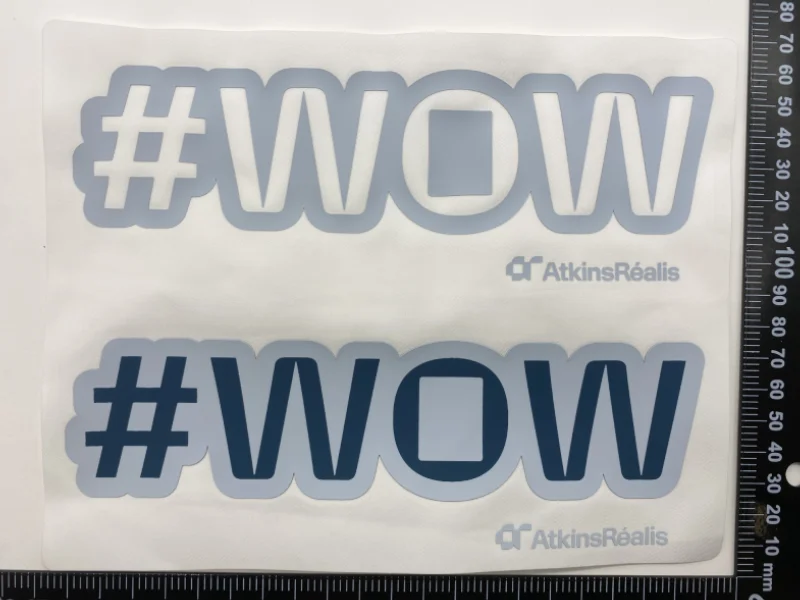
Step 2: Recommending Two Practical Design Options
User Question:
What style options did you offer, and why?
Short Answer:
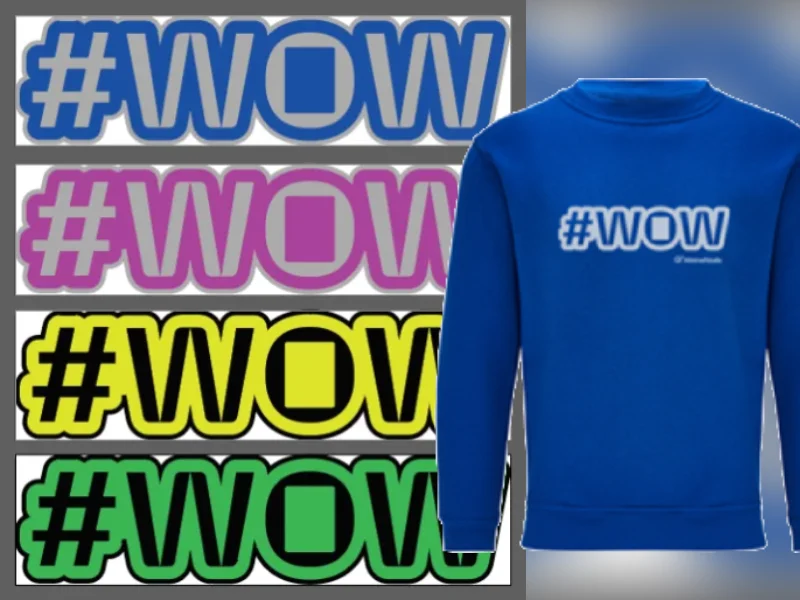
We provided two production-ready silicone transfer styles:
- Single-color hollow-out design,
- Two-color layered design.
Each offers different visual and tactile effects while maintaining production stability.
Deep Dive:
After finalizing dimensions, we proposed two professional options tailored to fast-fashion aesthetics:
Option 1: Single-Color Hollow-Out Style
- Shows the garment’s original fabric in the middle
- Lightweight and breathable
- Minimalistic and modern
- Reduces overall patch weight—ideal for large logos
Option 2: Two-Color Overlay Style
- Richer visual hierarchy
- Suitable for bold branding
- More premium, textured appearance
- Adds depth while maintaining flexibility

Recommended Thickness
Large silicone prints must balance structure and comfort. Thick silicone may appear heavy or stiff, so we proposed:
- 0.3 mm version – best for lightweight fast-fashion fabrics
- 0.5 mm version – suitable for strong visual presence
Both thicknesses ensure:
- Smooth touch
- Controlled weight
- Proper elasticity
- No sagging or cracking
This aligns with the client’s need for a lightweight and sporty aesthetic.

Why Is Testing Essential When Producing Silicone Heat Transfers?
User Question:
How do you ensure the silicone patches are safe, durable, and ready for mass production?
Short Answer:
We perform wash tests, heat-press parameter optimization, adhesion checks, and panel tests to ensure bulk-production consistency.
Deep Dive:
After producing samples of both versions, we conducted full testing:
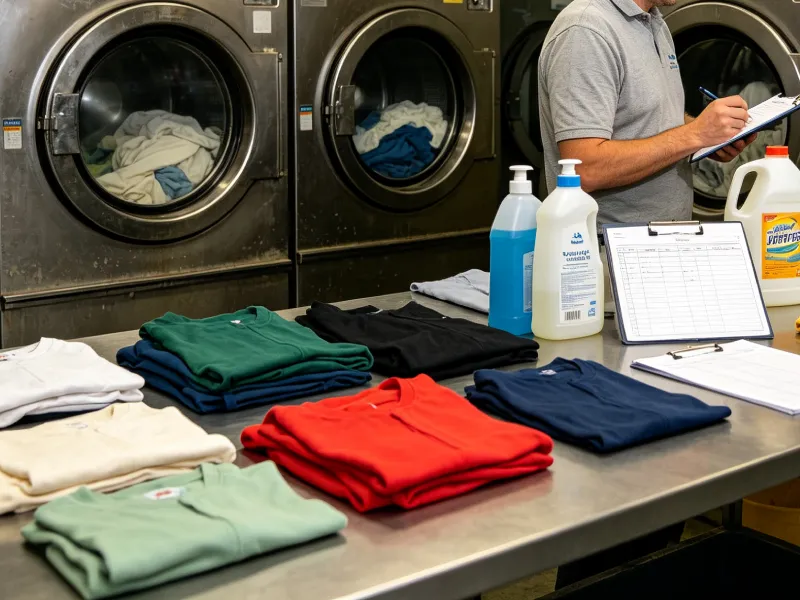
✔ Water-Wash Testing
Simulates repeated laundering to confirm:
- Adhesion strength
- Color stability
- No peeling or edge-lifting
- No fading or deformation
✔ Heat-Press Parameter Calibration
To guarantee consistent results across different factories, we provided:
- Recommended temperature
- Recommended pressure
- Recommended pressing time
- Cooling and peeling method
These parameters ensure that every batch of garments receives the same quality outcome, regardless of production location.
✔ Bulk Feasibility Review
We checked:
- Whether the silicone transfer maintains shape in large quantities
- Whether large motifs remain flexible on fabric
- Whether the client’s fabric type requires adjustments
Once the client received and tested the samples on their own garments, they confirmed the effect and moved forward to mass production.
Can Multiple Options Help B2B Clients Save Time?
User Question:
Why do you provide 2–3 visual options instead of one?
Short Answer:
Multiple options shorten decision time, reduce revisions, and give B2B buyers a clearer understanding of production possibilities.
In-Depth Explanation:
Most garment buyers—especially in fast-fashion—operate under tight schedules and require quick approvals. Providing several feasible silicone transfer effects helps:
- Compare textures and colors
- Understand realistic production outcomes
- Reduce redesign iterations
- Speed up technical validation
- Accelerate sample and bulk timelines
This proactive approach saves time for both the client and the production factory, ensuring a smoother workflow.
Conclusion
For B2B apparel brands, especially those producing fast-fashion garments, silicone transfers offer a professional, durable, and visually appealing branding solution. Through Qinghan’s structured process—design clarification, option offering, thickness optimization, sampling, wash-testing, and bulk parameter guidance—we help clients transform unclear ideas into stable, scalable production.
By providing multiple design options, maintaining transparent communication, and upholding strict quality checks, Qinghan ensures that every Silicone Screen Print Patch or silicone heat transfer meets industrial-grade standards and performs flawlessly in mass production.
About Author
——————————————————————————————————————————————

Jason
Sales Manager
With extensive industry knowledge and a responsible work ethic, I deliver professional guidance and reliable support for every client collaboration.
——————————————————————————————————————————————