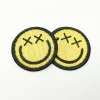
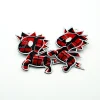
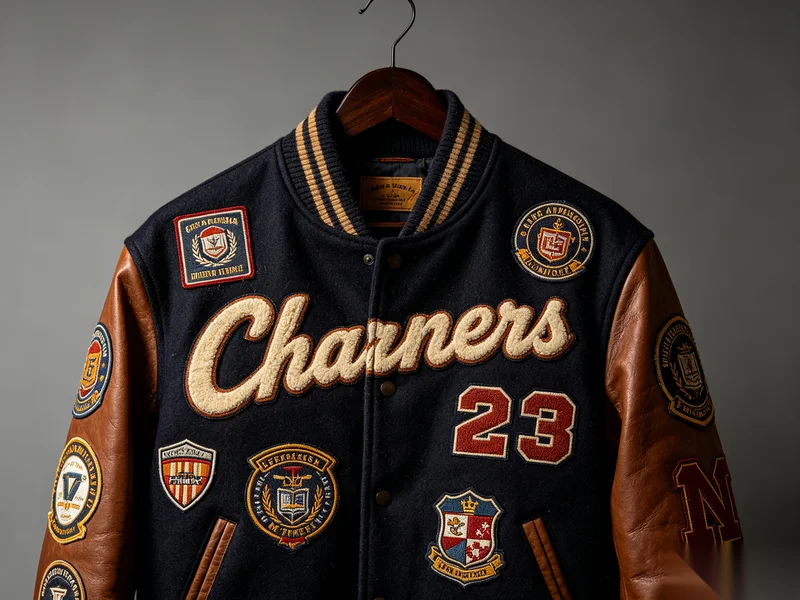
Patch making is the process of turning graphic ideas into physical patches used on apparel, uniforms, and accessories. It combines design planning, visual storytelling, and production considerations to create patches that communicate identity, culture, and brand value in scalable B2B applications.
What Is Patch Making?
Patch making refers to the complete journey of creating a patch—from concept and artwork to final production-ready design. It’s not only a manufacturing step but also a design-driven process that balances creativity, clarity, and practical use.
For brands and designers, patch making is about translating ideas into durable visual elements that work across garments and collections.
Why Patch Making Matters in Apparel Design
Patches are often small, but their impact is significant.
Effective patch making helps:
- strengthen visual identity
- add depth and texture to garments
- tell stories through symbols and graphics
- create repeatable design elements
In B2B apparel programs, patches often become long-term assets.
The Patch Making Process: A Design-Oriented Overview
Step 1: Defining the Purpose
Every successful patch starts with intent.
Ask:
- What does the patch represent?
- Is it decorative, functional, or symbolic?
- Where will it be used?
Purpose guides all design decisions.

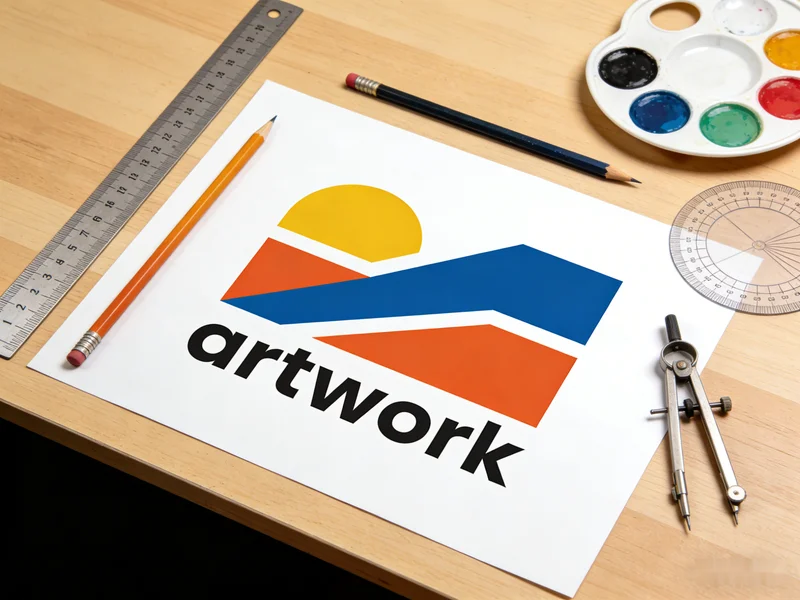
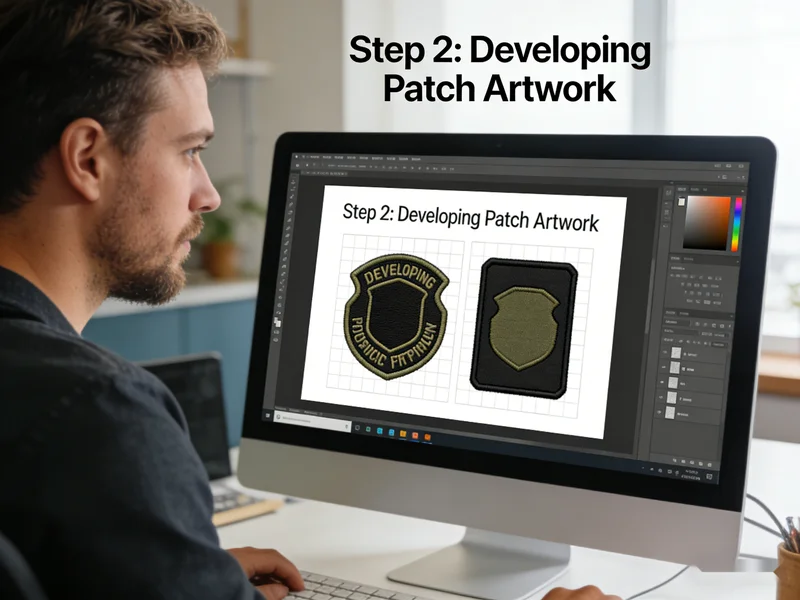
Step 2: Developing Patch Artwork
Artwork should be clear, intentional, and scalable.
Design tips:
- simplify shapes and typography
- prioritize readability
- avoid unnecessary details
- think in terms of contrast
Strong artwork makes patch making smoother.
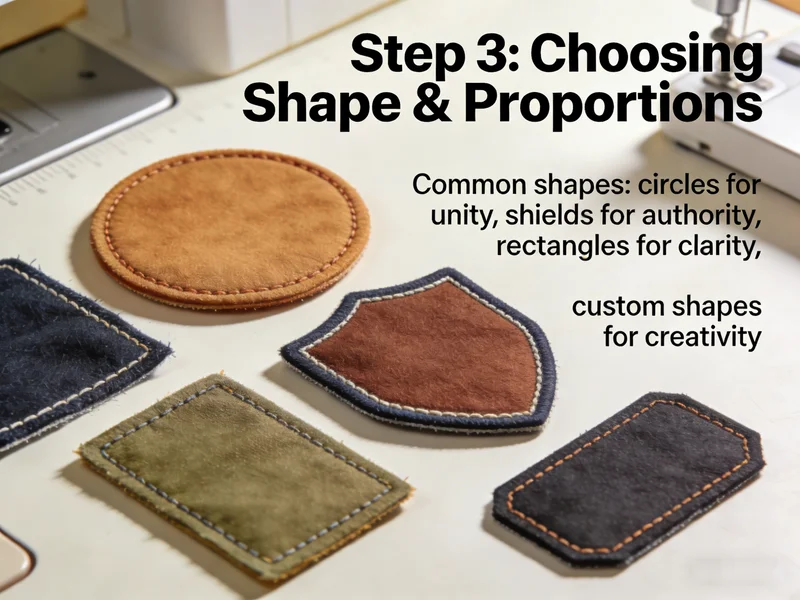
Step 3: Choosing Shape & Proportions
Patch shape supports visual storytelling.
Common shapes:
- circles for unity
- shields for authority
- rectangles for clarity
- custom shapes for creativity
The shape should enhance, not distract from, the design.
Step 4: Planning Patch Size
Size affects both appearance and placement.
Designers consider:
- garment surface area
- viewing distance
- hierarchy among multiple patches
Well-planned sizing improves balance and usability.

Step 5: Placement Context
Patch making doesn’t happen in isolation.
Designs should reflect:
- chest, sleeve, back, or accessory placement
- garment seams and construction
- visual flow on the apparel
Context-aware design leads to better results.
Patch Making as a Source of Design Inspiration
Beyond function, patch making is a creative exercise.
Designers often explore:
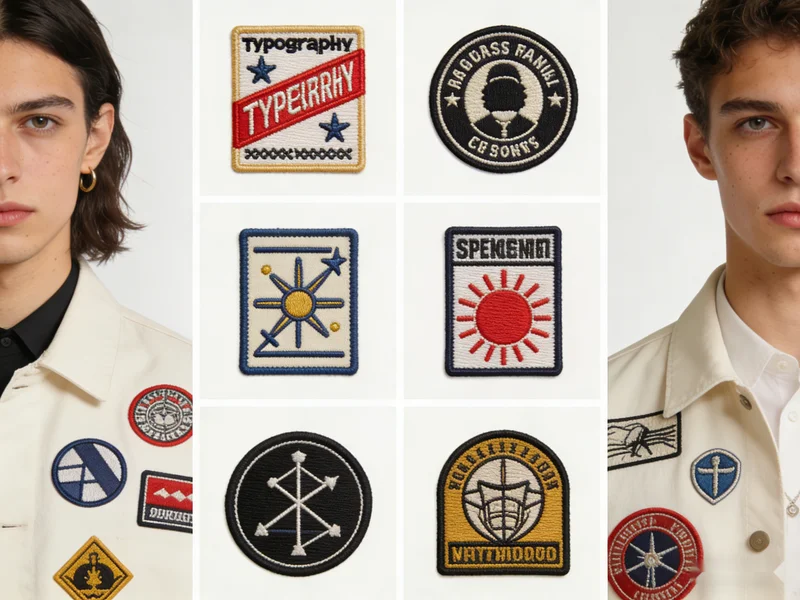
- typography-driven patches
- symbolic icons
- vintage or retro references
- minimalist modern graphics
Patches allow experimentation without redesigning entire garments.
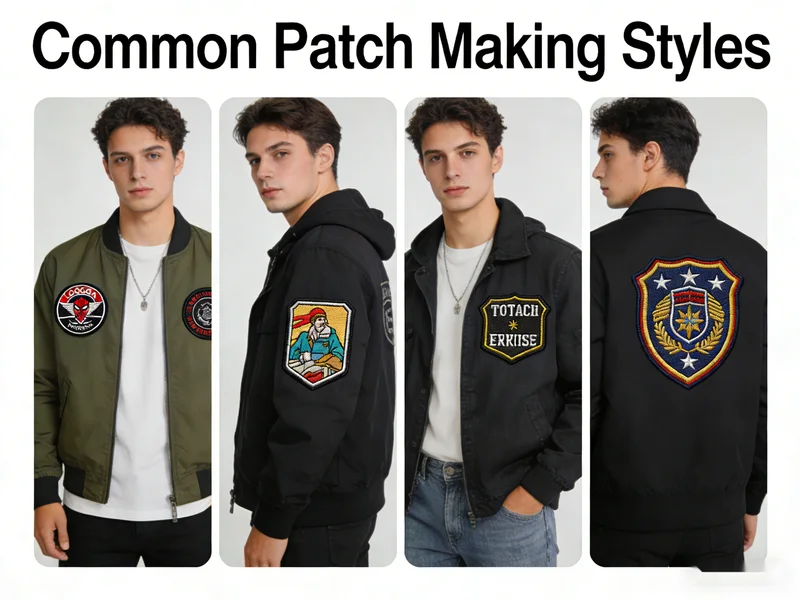
Common Patch Making Styles Used in Apparel
Logo-Based Patches
Used for brand recognition and consistency.
Illustrative Patches
Tell stories through images and symbols.
Text-Focused Patches
Names, slogans, or identifiers.
Badge-Style Patches
Inspired by heritage, clubs, or achievements.
How Brands Use Patch Making Strategically
In B2B apparel programs, patch making supports scalability.
Brands often:
- reuse core patch designs across collections
- adapt sizes for different garments
- update colors seasonally
- maintain consistent visual language
This reduces development time while keeping designs fresh.
Patch Making vs Direct Garment Graphics
| Aspect | Patch Making | Direct Printing |
|---|---|---|
| Visual depth | High | Flat |
| Reusability | Strong | Limited |
| Design flexibility | Modular | Fixed |
| Perceived value | Higher | Standard |
Patch making adds dimension and longevity to design systems.
Common Mistakes in Patch Making
- overcomplicating artwork
- ignoring placement context
- inconsistent sizing
- designing without scalability in mind
Good patch making balances creativity with restraint.
FAQ: Patch Making
Q: Is patch making only for logos?
No. Patches can be decorative, symbolic, or narrative.
Q: Can one patch design work across multiple garments?
Yes, with proper size and placement planning.
Q: Does patch making limit design creativity?
No. Constraints often lead to stronger ideas.
Q: Should patch making be planned early in design?
Absolutely. Early planning avoids redesigns later.
Design Trends Influencing Modern Patch Making
Current trends include:
- simplified, bold graphics
- typography-led designs
- vintage-inspired badges
- modular patch systems
These trends favor clarity and adaptability.
Conclusion
Patch making is both a creative and strategic process. When approached thoughtfully, it transforms simple ideas into versatile design elements that elevate apparel, unify collections, and communicate identity.
For B2B designers and brands, mastering patch making means creating scalable, meaningful designs that go beyond decoration—becoming essential components of long-term apparel systems.
I prefer this response
About Author
——————————————————————————————————————————————

Apollo
Senior E-commerce Manager
Apollo is an experienced e-commerce manager specializing in patches, apparel accessories, and digital marketing, helping global textile brands grow with proven online strategies.
——————————————————————————————————————————————