Patch heat refers to the controlled use of heat to attach patches onto garments during production. Heat-based application is widely used in apparel manufacturing because it offers clean placement, strong adhesion, and efficient workflow, especially for uniforms, teamwear, and branded clothing programs.
What Does “Patch Heat” Mean in Apparel Production?
In apparel and patch manufacturing, patch heat describes the process of applying patches to garments using heat and pressure. Instead of sewing each patch individually, heat allows patches to be fixed in place quickly and accurately.
For B2B operations, patch heat is often part of streamlined production and decoration planning.

Why Heat Application Is Commonly Used for Patches
Heat-based patch application is popular because it balances efficiency and appearance.
Key reasons include:
- faster application compared to sewing
- consistent placement across garments
- clean finish with minimal thread visibility
- suitable for bulk production
This makes patch heat especially attractive for large orders.
How Patch Heat Fits Into the Design Process
Patch heat is not just a technical step—it influences design decisions.
Designers often consider:
- patch shape and size
- placement accuracy
- garment surface area
- overall visual alignment
Knowing a patch will be heat-applied allows for more precise layouts.
Common Use Scenarios for Heat-Applied Patches
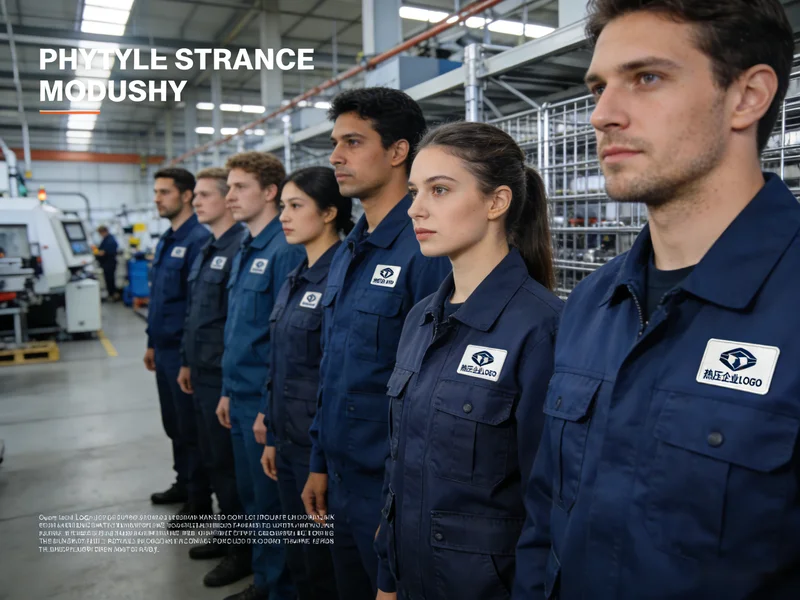
Uniform & Workwear Programs
Heat application ensures consistent positioning across teams.
Sports & Team Apparel
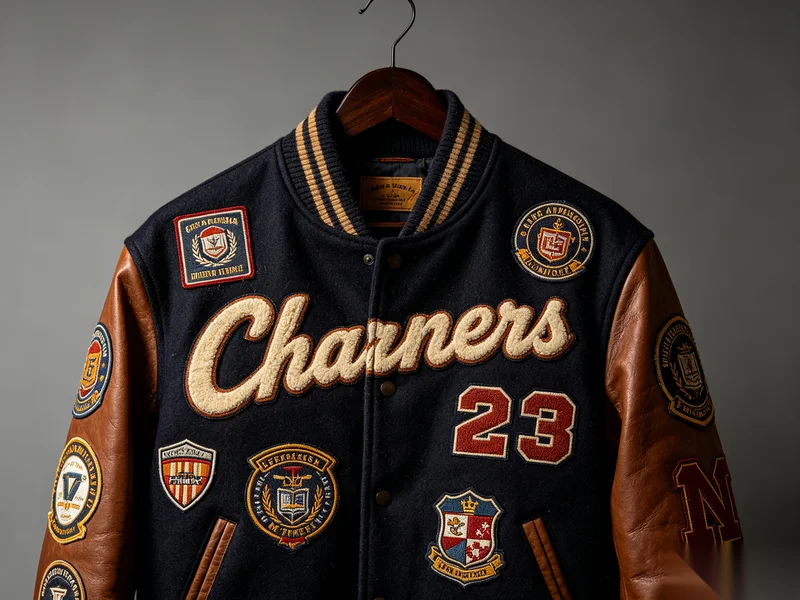
Names, numbers, and logos are often applied using heat.

Promotional & Event Apparel
Short timelines benefit from faster heat-based processes.
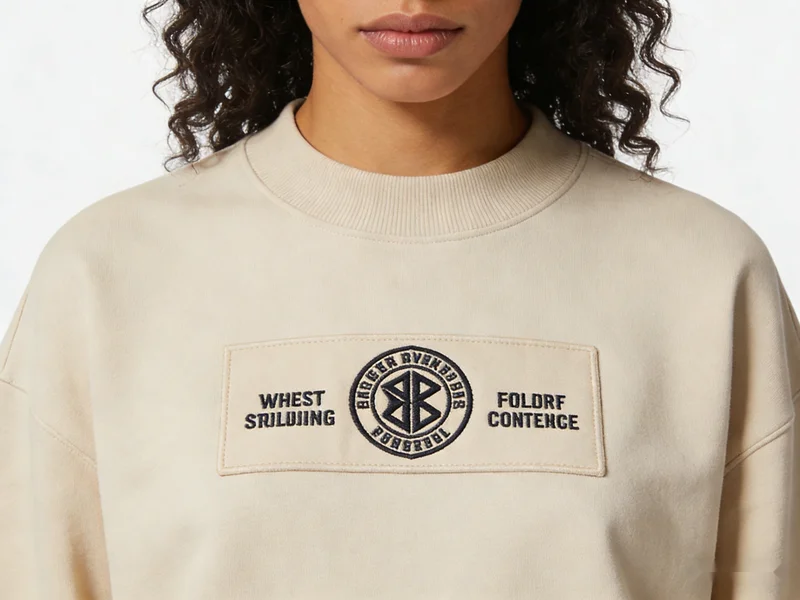
Fashion & Streetwear Collections
Heat-applied patches support clean, modern aesthetics.
Patch Heat vs Sew-On Application
| Aspect | Patch Heat | Sew-On |
|---|---|---|
| Application speed | Fast | Slower |
| Visual finish | Clean edges | Visible stitching |
| Placement accuracy | High | Moderate |
| Production efficiency | High | Lower |
Both methods have value, but patch heat supports scalability.
Design Considerations When Planning for Patch Heat
Clear Edges Matter
Clean outlines improve adhesion and visual sharpness.
Avoid Overcrowding
Heat-applied patches need space for even pressure.
Placement Precision
Designs should account for garment seams and curves.
Hierarchy in Design
Primary patches are often heat-applied first.
Using Patch Heat for Consistent Branding
In B2B apparel programs, consistency is critical.
Patch heat allows brands to:
- standardize logo placement
- maintain uniform spacing
- simplify reorders
- reduce visual variation
This is especially useful for multi-location operations.
Design Inspiration: Clean & Modern Patch Layouts
Heat-applied patches often inspire:
- minimalist chest logos
- centered or symmetrical layouts
- sharp typography
- uncluttered garment designs
The result feels intentional and professional.
Common Mistakes to Avoid with Patch Heat
- placing patches too close to seams
- ignoring garment stretch or texture
- overcrowding multiple patches
- designing overly complex layouts
Planning ahead prevents production issues.
FAQ: Patch Heat
Q: Is patch heat only used for certain patch types?
It’s commonly used where clean application and speed are priorities.
Q: Does patch heat affect garment appearance?
When done correctly, it enhances clarity and alignment.
Q: Is patch heat suitable for bulk orders?
Yes. It’s one of the most efficient methods for large runs.
Q: Should designers plan layouts differently for heat application?
Yes. Placement and spacing are more critical.
Why Understanding Patch Heat Matters for Designers
Designers who understand patch heat can:
- create production-ready layouts
- reduce revisions and errors
- improve visual consistency
- support scalable manufacturing
This knowledge bridges design and production.
Conclusion
Patch heat plays a vital role in modern apparel decoration, offering speed, consistency, and clean aesthetics. For B2B apparel brands, uniform suppliers, and designers, understanding how heat application works enables better planning, smoother production, and stronger visual results.
When patch heat is considered early in the design phase, patches become not just decorative elements—but reliable building blocks of scalable apparel systems.
About Author
——————————————————————————————————————————————

Apollo
Senior E-commerce Manager
Apollo is an experienced e-commerce manager specializing in patches, apparel accessories, and digital marketing, helping global textile brands grow with proven online strategies.
——————————————————————————————————————————————