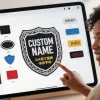
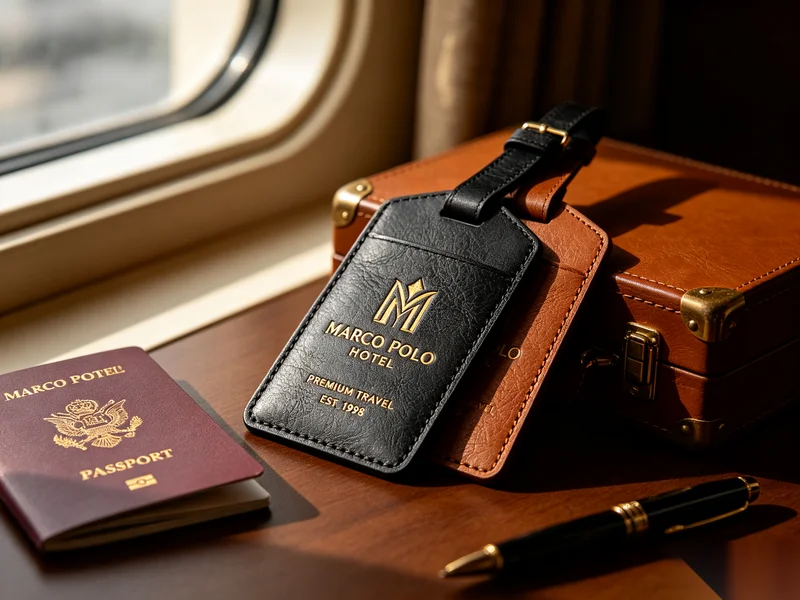
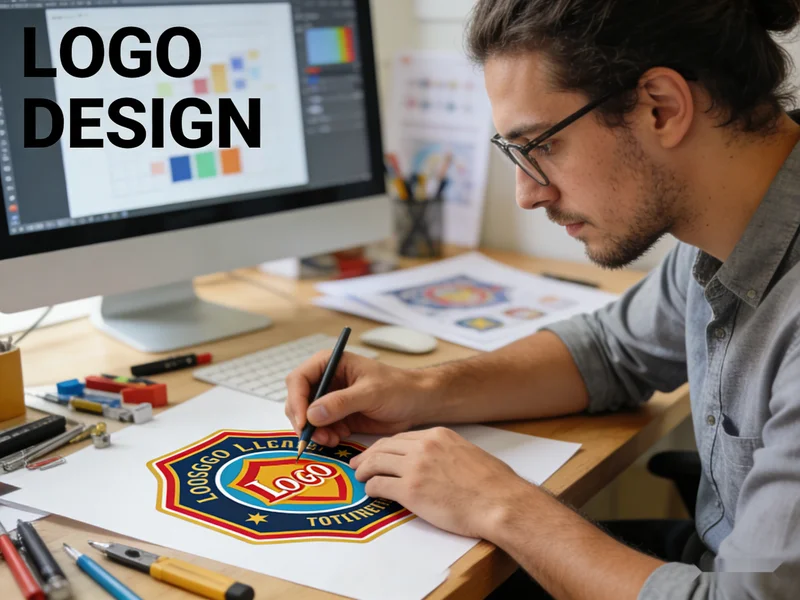
A logo on a screen is branding.
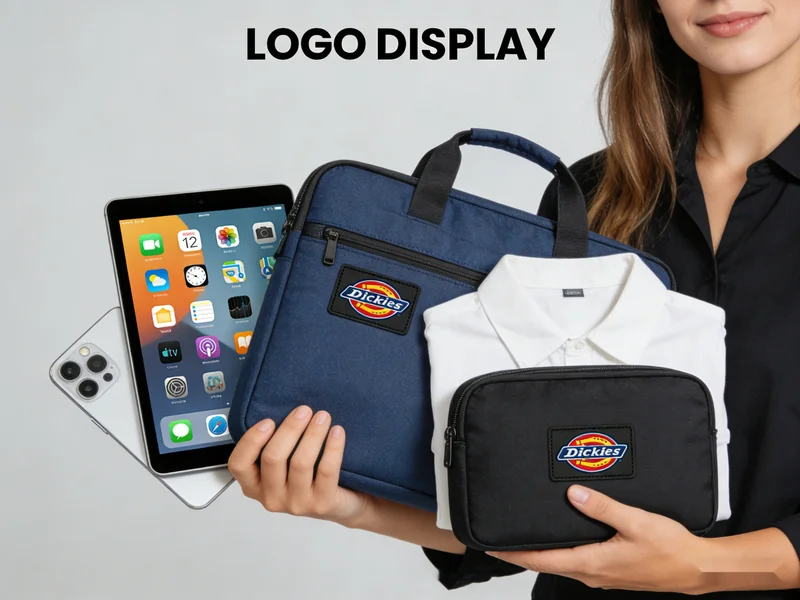
A logo stitched into fabric becomes identity.
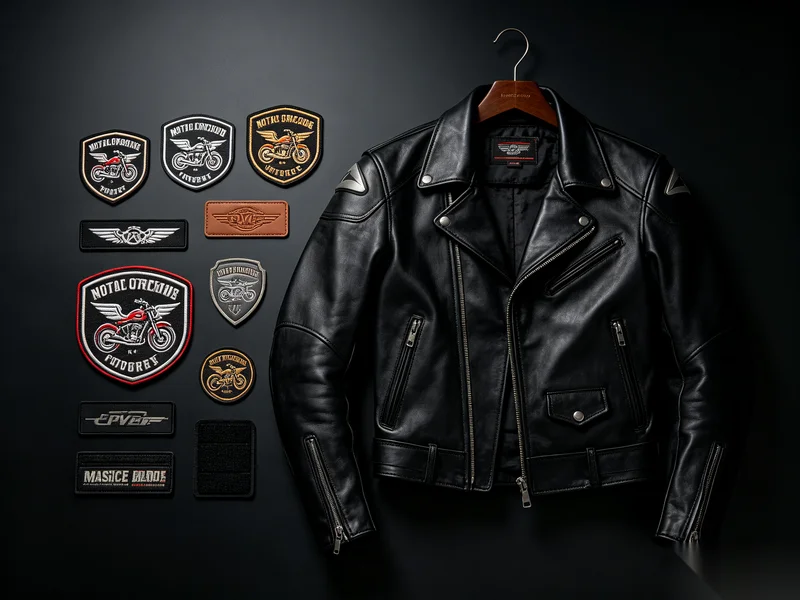
Logo patches transform a graphic mark into a physical, textured, and durable branding element that can move across garments, bags, uniforms, and accessories. Unlike direct printing or embroidery, patches create separation between the base product and the brand mark — which opens strategic flexibility for businesses.
Why Brands Choose Logo Patches Instead of Direct Decoration
Direct embroidery or printing locks the logo permanently into a garment. Logo patches offer advantages such as:
- Consistent logo reproduction across different products
- Easier color control
- Cleaner detail on complex artwork
- Flexible attachment options
- Lower garment rejection risk
When a patch is produced separately, quality control is centralized — ensuring logo accuracy before application.

Types of Logo Patches and When to Use Them
Embroidered Logo Patches
Classic and textured. Ideal for bold shapes and strong brand presence.
Woven Logo Patches
Better for small text and fine lines. Flat but highly detailed.
Chenille Logo Patches
Retro and dimensional. Often used in varsity and fashion branding.
PVC Logo Patches
Weather-resistant and modern. Popular in outdoor and tactical markets.
3D Puff Logo Patches
Raised effect for premium streetwear or bold statement pieces.
The right construction depends on your logo style and target market.
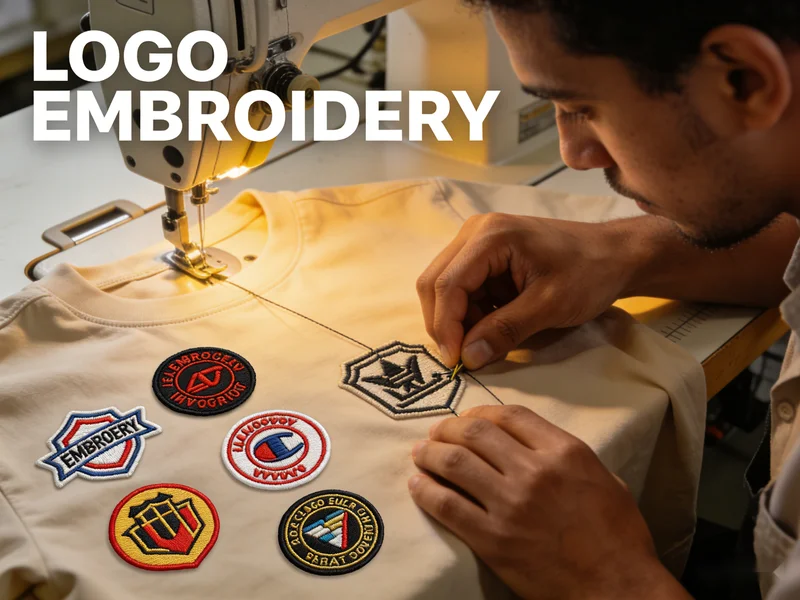
Logo Patch as a Modular Branding Strategy
Forward-thinking brands treat logo patches as interchangeable assets.
Instead of manufacturing multiple garment variations, companies can:
- Produce blank base apparel
- Apply different logo patches per region
- Release limited-edition logo colors
- Create seasonal or event variations
This reduces inventory complexity while increasing product diversity.
Ideal Products for Logo Patch Application
Logo patches work well on:
- Jackets
- Hats
- Backpacks
- Hoodies
- Workwear
- Uniforms
- Tactical gear
Structured surfaces provide the best visual presentation and durability.

Attachment Options
Sew-On
Maximum durability. Recommended for retail and heavy-use items.
Iron-On
Efficient for lighter applications or promotional use.
Velcro Backing
Ideal for uniforms, tactical gear, or interchangeable branding.
Choosing the correct backing method ensures long-term performance.
Design Considerations for Logo Patches
To maintain brand integrity:
- Simplify overly complex artwork if necessary
- Ensure proper contrast between thread colors
- Avoid extremely thin outlines
- Choose appropriate size for placement
- Maintain border clarity
Flat production before garment application helps preserve sharp edges and color accuracy.
Logo Patches for B2B Clients
For corporate buyers, logo patches offer:
- Easy uniform updates
- Cost-effective rebranding
- Standardized brand presentation
- Scalability for global operations
- Simplified repeat orders
Producing logo patches in bulk allows companies to control branding without reordering entire garments.
Emotional & Perceived Value
Compared to printed logos, embroidered logo patches convey:
- Craftsmanship
- Durability
- Premium positioning
- Brand heritage
Texture increases perceived value. A raised thread surface feels more substantial than flat ink.
Long-Term Brand Efficiency
Logo patches can also help with:
- Repairing damaged garments by covering wear areas
- Upgrading outdated stock
- Extending product life cycles
- Supporting limited-run collaborations
They become tools for operational flexibility — not just decoration.
Final Thoughts
Logo patches convert a graphic into a tangible, textured brand statement. They offer durability, flexibility, and elevated presentation across product categories.
When branding needs consistency without sacrificing adaptability, logo patches provide the balance between permanence and possibility.
About Author
——————————————————————————————————————————————

Apollo
Senior E-commerce Manager
Apollo is an experienced e-commerce manager specializing in patches, apparel accessories, and digital marketing, helping global textile brands grow with proven online strategies.
——————————————————————————————————————————————