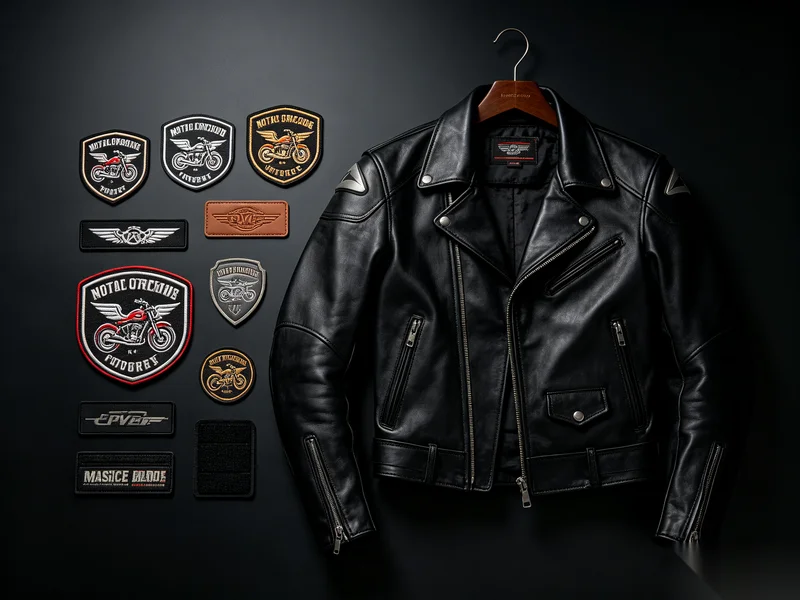
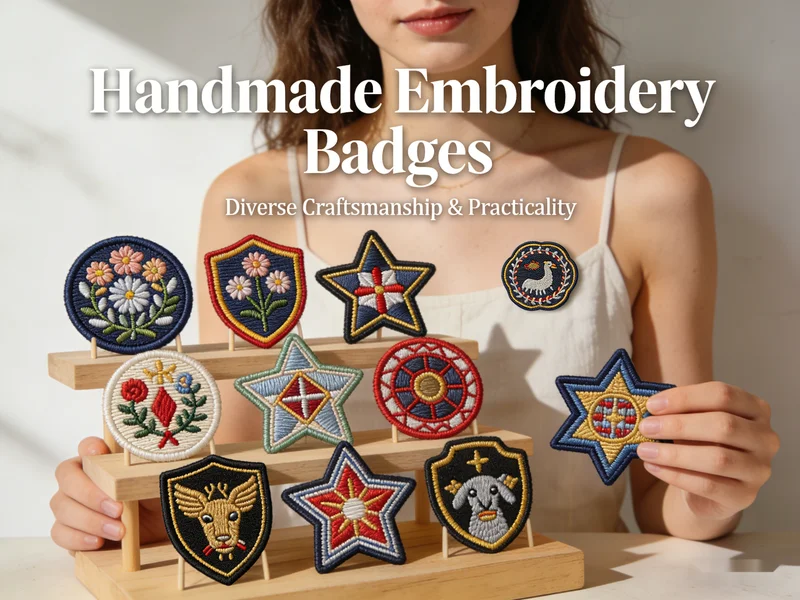
An embroidery badge is a decorative or functional emblem created by stitching a design onto fabric using embroidery thread. Known for their durability, texture, and classic appearance, embroidery badges are widely used across uniforms, fashion, organizations, and promotional products.
From military insignia to modern streetwear, these badges communicate identity, achievement, and affiliation in a highly visual way.
What Is an Embroidery Badge?
An embroidery badge is typically made by stitching a design onto a base fabric such as twill or felt. The embroidery thread forms raised patterns that give the badge a textured and professional look.
Key components usually include:
- Base fabric – provides structure for the badge
- Embroidery thread – creates the design and colors
- Border edge – often merrowed or laser-cut
- Backing material – allows attachment to garments or accessories
This layered construction ensures both visual appeal and long-term durability.
Common Uses of Embroidery Badges
Embroidery badges are popular in many industries because they combine branding, recognition, and decoration.
Uniform Identification
Organizations such as schools, security teams, and service industries use badges to display logos, ranks, or departments.
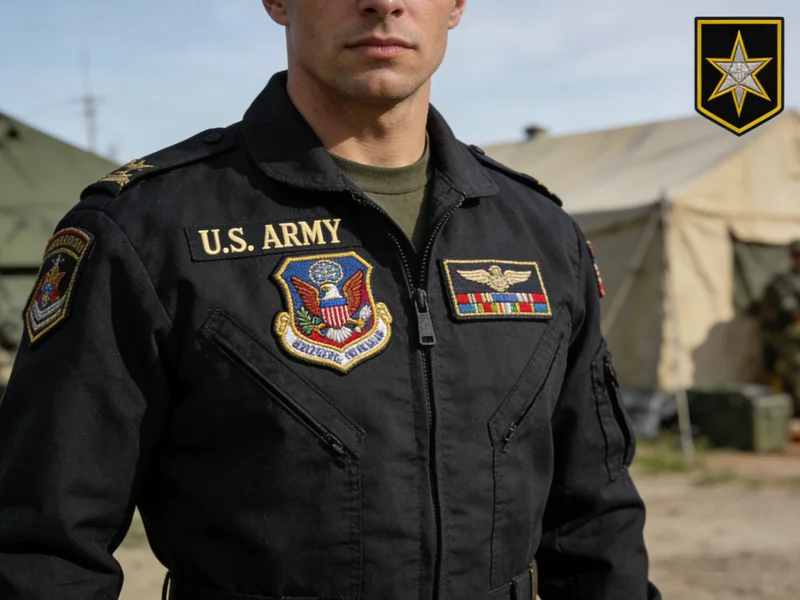
Military and Tactical Gear
Badges often represent rank, unit affiliation, or mission achievements.
Fashion and Streetwear
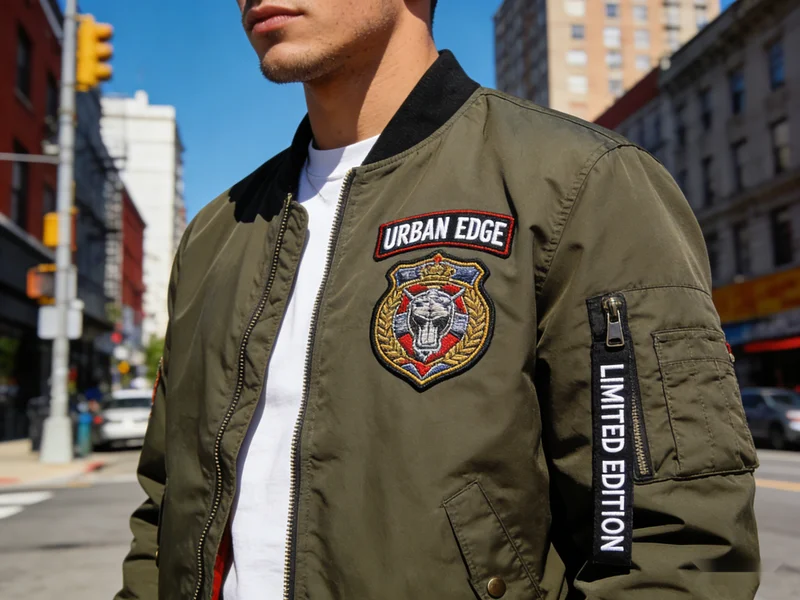
Designers use embroidered badges on jackets, hoodies, hats, and backpacks to create unique brand identity.
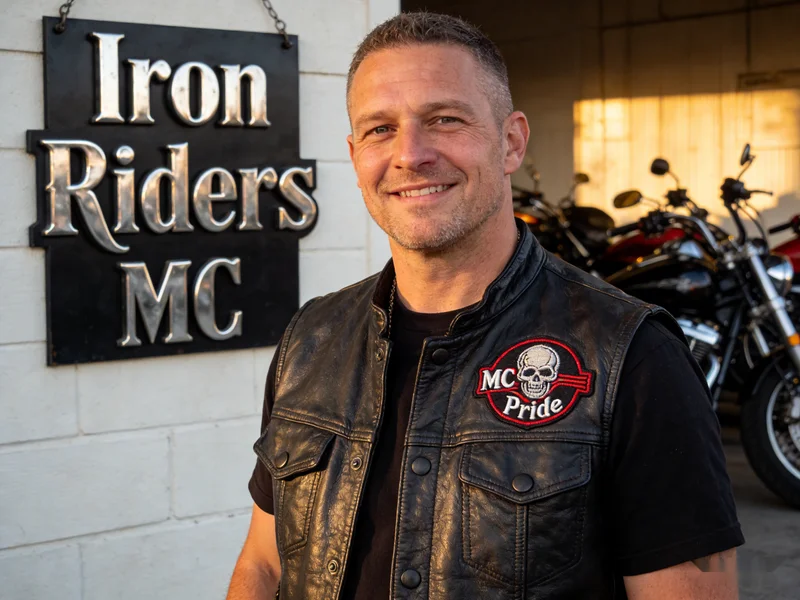
Clubs and Associations
Motorcycle clubs, scouts, and hobby groups frequently use badges to represent membership or milestones.
Promotional Merchandise
Companies add badges to promotional apparel to strengthen brand visibility.
Types of Embroidery Badges
Not all embroidery badges are the same. Different techniques can produce different visual styles.
Standard Embroidered Badges
The most common type, featuring dense stitching and bold outlines.
3D Puff Embroidery Badges
Foam is placed under the thread to create a raised, dimensional effect.
Chenille Badges
Soft yarn loops create a fuzzy texture, often used for varsity jackets.
Woven Badges
Instead of raised thread, woven badges use fine threads to create detailed designs.
Each style serves a different aesthetic and functional purpose.
Border Styles for Embroidery Badges
The edge of a badge plays an important role in durability and appearance.
Merrowed Edge
A thick stitched border that protects the patch edge and gives a classic look.
Laser-Cut Edge
Clean edges created with precision cutting, ideal for complex shapes.
Heat-Cut Edge
Used on synthetic fabrics to seal edges and prevent fraying.
Backing Options
Embroidery badges can be attached in several ways depending on the application.
- Sew-on backing – strongest and most permanent option
- Iron-on backing – convenient for quick application
- Velcro backing – removable and interchangeable
- Adhesive backing – temporary placement for events or crafts
Selecting the correct backing ensures the badge functions properly for its intended use.
Design Tips for High-Quality Embroidery Badges
When creating an embroidery badge design, simplicity and clarity are key.
Consider these guidelines:
- Use bold shapes and clear outlines
- Limit the number of thread colors
- Avoid very small text or details
- Maintain good contrast between thread and background
These adjustments help the embroidery machine reproduce the design accurately.
Why Embroidery Badges Are Still Popular
Despite digital printing and other modern decoration techniques, embroidery badges remain highly valued because they offer:
- Strong durability
- Rich texture and depth
- A professional appearance
- Long-lasting color retention
These qualities make them ideal for garments that are worn frequently or require a premium finish.
Final Thoughts
An embroidery badge is more than just decoration—it represents identity, pride, and belonging. Whether used for uniforms, branding, or fashion, embroidered badges continue to be one of the most reliable and visually appealing ways to showcase a symbol or message.
Their combination of craftsmanship and practicality ensures they remain a staple in apparel customization.
About Author
——————————————————————————————————————————————

Apollo
Senior E-commerce Manager
Apollo is an experienced e-commerce manager specializing in patches, apparel accessories, and digital marketing, helping global textile brands grow with proven online strategies.
——————————————————————————————————————————————