The project was urgent. The deadline was tight. And they had already sent us all the files we needed.
Or so I thought.
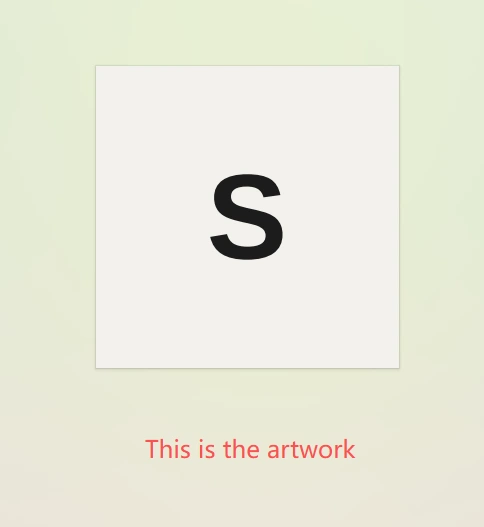
I opened the artwork.
And suddenly, “ASAP” became a lot more complicated.
The logo was there. The design was there. But the information needed for production wasn’t.
No final size. Some colors had no Pantone references. A few details were difficult to distinguish. The artwork showed what the customer wanted to see, but not always what the factory needed to produce.
So I started asking questions.
What is the final size?
Which color should we follow?
Is this part supposed to be raised?
What material or technique should we use?
One question became three. Three became ten.
And the project that was supposed to be “ASAP” suddenly needed another round of communication.
A Good Artwork Is More Than a Design
For a designer, an artwork may simply show how the finished product should look.
For a supplier, it needs to communicate how the product should be made.
That means key information should be clear:
- Final dimensions
- Color references, preferably Pantone
- Material or production technique
- Construction and finishing details
- Special effects or requirements
A beautiful artwork is not necessarily a production-ready artwork.
A high-resolution JPG is not necessarily a clear artwork.
Every Unclear Detail Creates an Assumption
A customer might say:
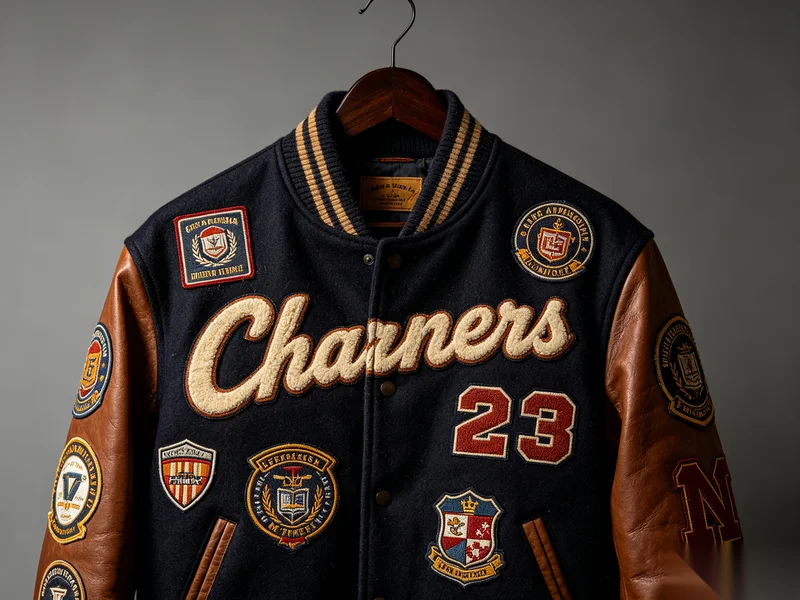
“We want a 3D effect.”
But does that mean raised embroidery, silicone, TPU, or embossing?
These are completely different production processes.
The same applies to color. “Red” is not a production specification.
The clearer the information, the fewer assumptions the supplier has to make.
And fewer assumptions mean fewer revisions, fewer mistakes, and less time spent going back and forth.
Clear Artwork Makes the Whole Process Faster
The impact goes far beyond sampling:
Clear artwork → Faster quotation → Fewer questions → More accurate sample → Faster approval → Smoother production
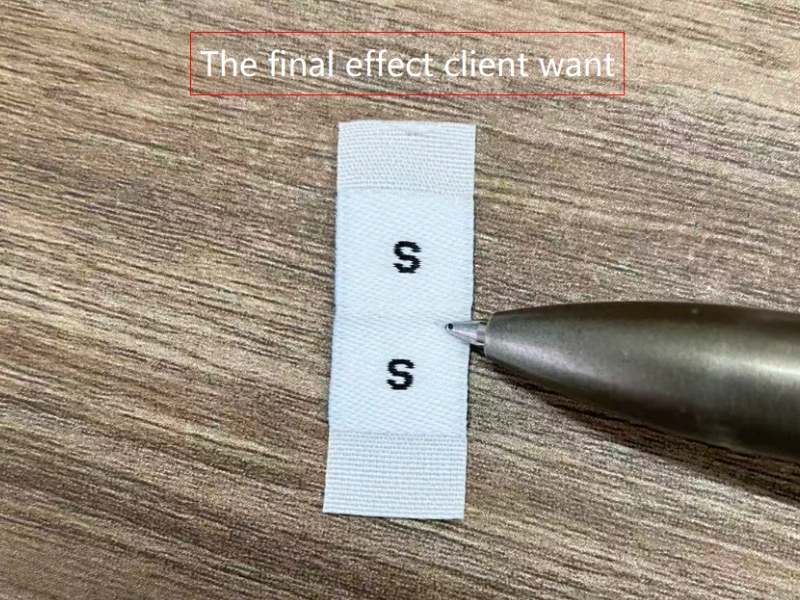
An experienced supplier should also take responsibility. We should identify missing information, ask the right questions, and help turn a design concept into a manufacturable product.
But there is a big difference between solving a production problem 그리고 trying to guess what the customer means.
So next time you need something “ASAP,” take one extra minute to check the artwork.
If someone who has never seen the project can open the file and understand exactly what needs to be made, you’re already making the project faster.
Sometimes, the fastest way to get a supplier to move faster isn’t to say “ASAP” again.
It’s to make the information clearer.
저자 소개
——————————————————————————————————————————————

제이슨
영업 관리자
폭넓은 업계 지식과 책임감 있는 업무 윤리를 바탕으로 모든 고객 협업에 전문적인 지침과 신뢰할 수 있는 지원을 제공합니다.
——————————————————————————————————————————————