Woven label folding is an important finishing process in apparel accessory manufacturing. From center-fold labels used in garment necklines to end-fold labels sewn onto bags and other products, the right folding method helps ensure proper positioning, a clean appearance, and convenient installation.
Automatic folding machines make this process more efficient and consistent, especially for bulk orders.
What Is a Woven Label Fold?
A woven label fold is a finishing process in which a woven label is folded into a specific shape according to its design and application requirements. This makes the label easier to sew onto garments, hats, bags, and other textile products.
Woven labels are widely used to display brand logos, garment sizes, care information, and product details. Their folding structure determines how the label is attached and which parts remain visible after installation.
To learn more about woven labels, you can open this link: https://qinghanlabel.com/woven-labels/
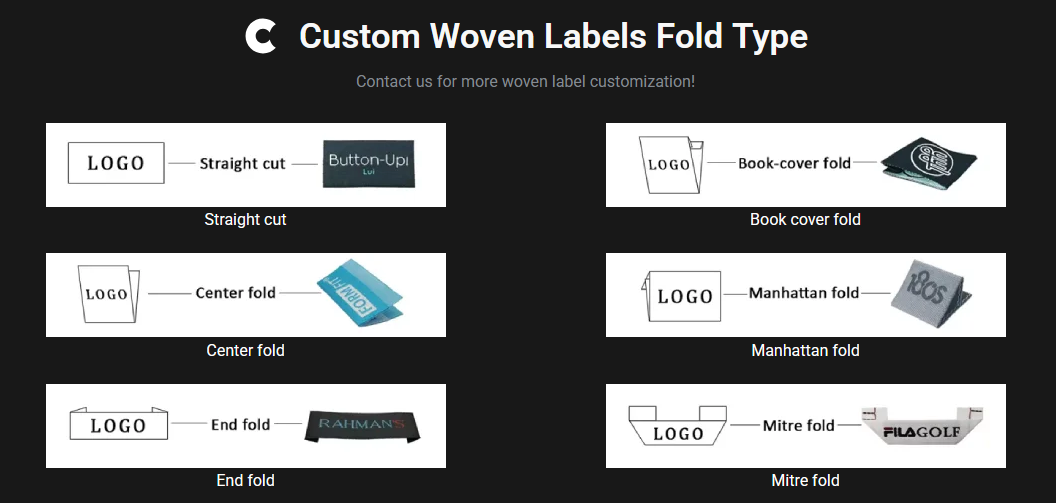
Common woven label folding styles include:
1. Center Fold
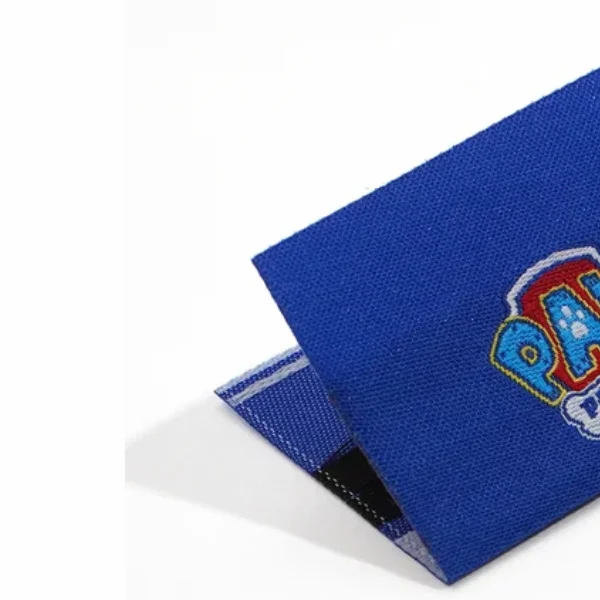
A center-fold woven label is folded across its middle, creating two sections. It is commonly used in garment necklines, where the folded edge is positioned inside the seam and the two sides of the label extend into the garment.
This construction is popular for clothing brand labels because it provides a neat appearance and can help keep raw edges enclosed within the seam.
2. End Fold
An end-fold woven label has both short ends folded toward the back, creating finished edges that can be sewn onto a product.
This style is often used when a label needs to be attached to the surface of a garment, hat, bag, or other textile product. The folded ends provide designated sewing areas.
3. Other Custom Folding Styles
Some projects require special folding configurations based on the product design, installation position, or desired appearance.
For example, a label for a bag may have different folding and sewing requirements from a small brand label inside a T-shirt neckline.
The appropriate woven label fold should therefore be confirmed according to the artwork, dimensions, sewing method, and intended application before production begins.
How Does an Automatic Woven Label Folding Machine Work?
Automatic folding equipment helps manufacturers fold woven labels into predefined shapes. Compared with manually folding each label, automation can reduce repetitive handling, improve processing efficiency, and help maintain more consistent results in bulk production.
As shown in the production process, labels pass through the machine and are folded according to the selected settings.
Although machine structures vary, a typical automatic folding process involves four main steps.
Step 1: Feed the Woven Labels Into the Machine
The woven labels are placed or fed into the equipment according to the machine’s operating requirements.
Before processing, operators need to ensure that the labels are correctly oriented and positioned so they can enter the folding area smoothly.
Label dimensions, material characteristics, and construction may affect how the equipment handles each product.
Step 2: Position the Labels
The machine aligns each label according to the predefined folding position.
Accurate positioning is important because the fold location determines the finished dimensions and the label’s appearance after installation.
Operators may need to adjust the equipment according to the label size and required folding style.
Step 3: Automatically Fold the Labels
The machine uses its mechanical folding structure to form the specified shape.
Depending on the machine configuration and production requirements, it may be set up for center folds, end folds, or other supported folding styles.
Different woven label constructions may require different equipment or adjustments, so not every label can be processed using exactly the same settings.
Step 4: Inspect the Folding Results
After folding, the finished labels are checked to ensure that the fold position, dimensions, and overall appearance meet the approved requirements.
Inspection helps identify uneven folds, incorrect positioning, or other issues that could affect subsequent sewing.
Once the labels pass inspection, they can move on to the next production or packaging stage.
Why Do Woven Labels Need Automatic Folding?
Although woven labels are small accessories, their finishing quality can influence the appearance of the finished garment and the efficiency of downstream production.
Automatic folding offers several practical advantages.
1. Improves Production Efficiency
For large orders, manually folding every label can involve considerable repetitive work.
Automatic equipment helps reduce manual handling and allows manufacturers to process larger quantities more efficiently. This is particularly useful for apparel brands and garment factories that require consistent label production across multiple styles.
2. Helps Maintain Consistent Fold Positions
Woven labels need to be folded at the correct positions to achieve the specified finished dimensions.
If fold positions vary between pieces, labels may look inconsistent or become more difficult to install.
With appropriate machine settings and process control, automatic folding can help improve consistency across production batches.
3. Makes Subsequent Sewing More Convenient
After folding, the label takes on the shape required for its intended installation.
For example, a center-fold label can be incorporated into a garment seam, while an end-fold label can provide designated edges for sewing onto a product surface.
Correct folding helps garment manufacturers handle labels more conveniently during assembly.
4. Supports Bulk Order Production
For apparel brands that require thousands of identical labels, stable finishing capacity is important.
Automatic folding equipment helps manufacturers handle repetitive processing requirements and maintain a more standardized production workflow.
However, machinery alone does not guarantee finished quality. The final result also depends on weaving quality, material selection, folding specifications, machine adjustment, and finished-product inspection.
Which Products Use Folded Woven Labels?
Folded woven labels are commonly used across apparel, accessories, and other textile products.
일반적인 애플리케이션은 다음과 같습니다:
- T-shirts, sweatshirts, and sportswear: Used for brand identification, size information, and other garment details.
- Jackets and casualwear: Used as neckline labels, brand identifiers, and decorative labels.
- Hats and caps: Display brand logos and product information in designated sewing areas.
- Bags and backpacks: Provide brand identification and decorative details.
- Other textile products: Customized for home textiles, fabric accessories, and other applications requiring woven branding.
The folding method should be selected according to the label’s installation position, sewing method, fabric characteristics, and design requirements.
A center fold that works well for a garment neckline may not be the best choice for a label sewn onto the outside of a bag.
What Should You Confirm When Ordering Custom Woven Labels?
If you are developing a new woven label for your brand, it is important to confirm the following details before placing a production order.
1. Label Dimensions
Specify both the unfolded dimensions and the finished dimensions after folding.
This distinction is particularly important for center-fold and end-fold labels because the final size changes after processing.
2. Folding Method
Confirm whether you need a center fold, end fold, or another custom folding configuration.
If you are unsure about the correct terminology, provide a reference image or technical drawing so the manufacturer can understand the intended construction.
3. Logo and Text Orientation
Make sure the logo, brand name, and other information will face the correct direction after folding.
Artwork that looks correct in a flat layout may appear differently once the label is folded. Confirming the visible area and orientation before production helps avoid unnecessary revisions.
4. Installation Position
Specify where the label will be attached, such as the garment neckline, side seam, sleeve, hat, or bag surface.
The installation position directly influences the recommended folding structure and finished dimensions.
5. Sewing Requirements
Confirm the required sewing allowance and how the label will be attached to the product.
For labels used inside garments, comfort and edge construction may also need attention. For external labels, the sewing position and finished appearance may be more important.
Providing these details in advance helps reduce misunderstandings during sampling and bulk production.
Frequently Asked Questions About Woven Label Fold
What is the most common woven label fold?
Center folds and end folds are two common options. Center-fold labels are frequently used in garment seams, while end-fold labels are often sewn onto garment or accessory surfaces. The best choice depends on the application.
What is the difference between center-fold and end-fold woven labels?
A center-fold label is folded across its middle, while an end-fold label has both short ends folded toward the back. The two styles have different finished structures and sewing applications.
Can woven labels be folded automatically?
Yes. Automatic folding machines can process compatible woven labels according to predefined settings. However, the equipment and configuration must match the label dimensions, material, and required folding style.
Does automatic folding improve woven label quality?
Automatic folding can improve processing efficiency and help maintain consistent fold positions. However, the final quality also depends on the weaving process, material selection, machine adjustment, and quality inspection.
Can all woven labels use the same folding machine?
No. Different folding styles and label constructions may require different equipment or machine adjustments. Manufacturers should confirm equipment compatibility before production.
Should I provide unfolded or folded dimensions when ordering?
Ideally, provide both. The manufacturer needs to know the original label dimensions and the required finished dimensions after folding. A technical drawing showing fold lines and artwork orientation is also helpful.
Final Thoughts: Small Folding Details Make a Difference
A woven label goes through several manufacturing and finishing stages before becoming a finished product. Automatic folding may look like a simple operation, but it plays an important role in label dimensions, appearance, production efficiency, and subsequent sewing.
At QingHan, we pay attention not only to woven label design and weaving quality but also to finishing processes that affect how labels are used in actual products.
Whether you need custom brand labels, garment neckline labels, or woven labels with special folding requirements, our team can work with your artwork, dimensions, and application details to determine a suitable production solution.
저자 소개
——————————————————————————————————————————————

에이미
영업 관리자
안녕하세요, 영업 매니저 에이미입니다. 세심하고 친절한 접근 방식으로 고객의 요구 사항을 주의 깊게 듣고 세심한 서비스를 제공하여 고객이 쉽게 최상의 솔루션을 찾을 수 있도록 돕습니다.
——————————————————————————————————————————————