Why Do Silicone Screen Printing Quotes Vary So Much?
Have you ever received different quotations for the same silicone label design and wondered why the prices vary so much?
One supplier offers a low price, while another quotes significantly more—even though both claim to make the same product.
At Qinghan, we often hear this question from customers sourcing custom silicone labels and patches.
The truth is that silicone screen printing costs depend on much more than the size of the design. Material consumption, printing difficulty, order quantity, finishing, and quality requirements all affect the final price.
Let’s look at the seven key factors to help you compare quotations more accurately.
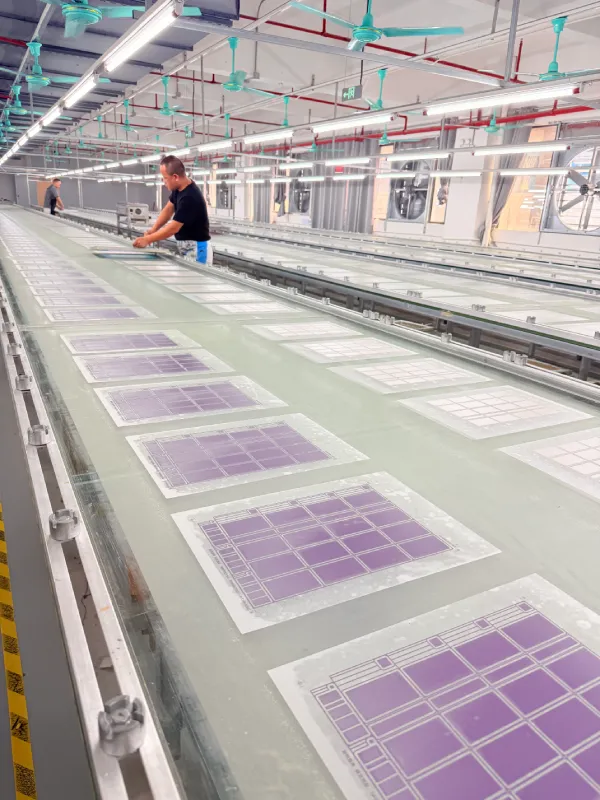
1.Artwork Area and Silicone Thickness
These are usually two of the most important factors affecting silicone label cost.
Artwork area: A design covering most of the label surface generally consumes more silicone than a small logo printed in the center. Overall dimensions, printing coverage, and the number of layers all influence material consumption.
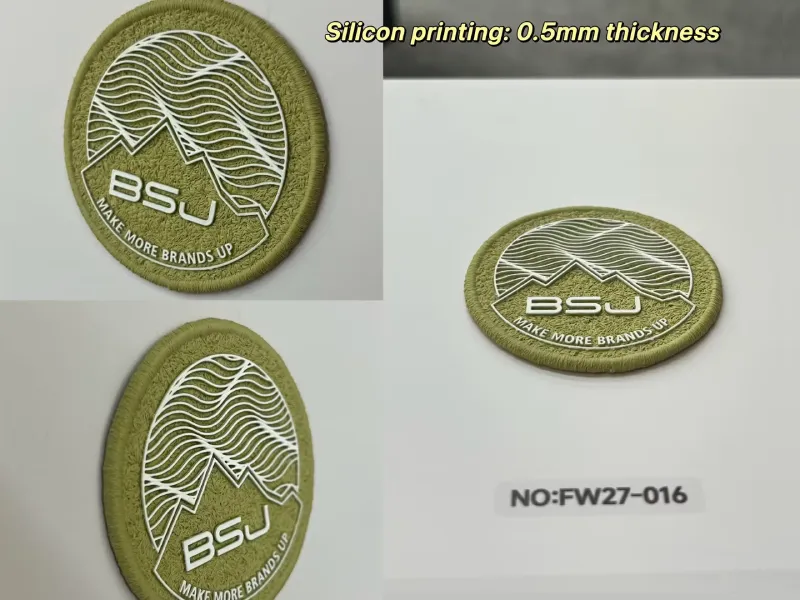
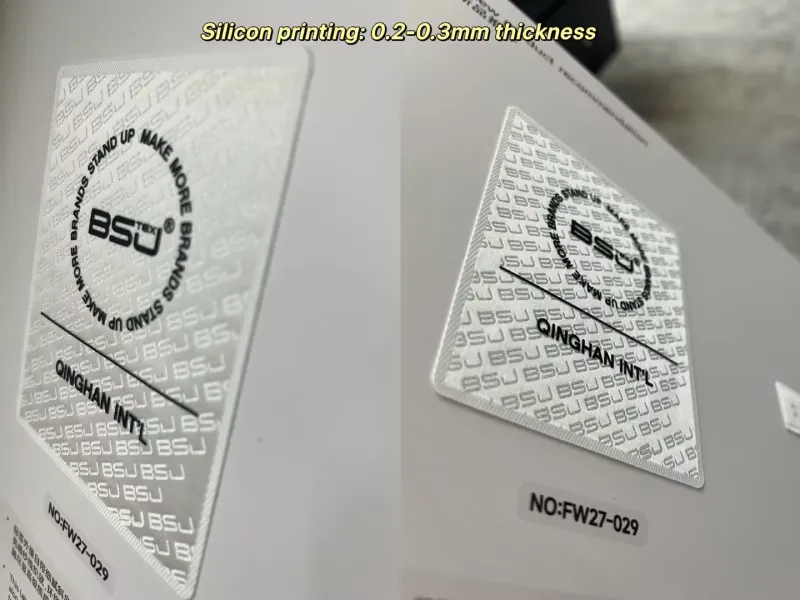
Silicone thickness: A thin print and a thick, raised silicone logo are not the same product. Thicker designs generally require more material and may need additional printing passes or tighter process control.
For example, two logos with identical dimensions can have very different costs if one requires a thin, flat finish and the other needs a thick, 3D effect.
Tip: Always specify the required thickness or provide a reference sample when requesting a quotation. Otherwise, suppliers may quote different constructions, making price comparisons misleading.
2.Number of Colors and Registration Difficulty
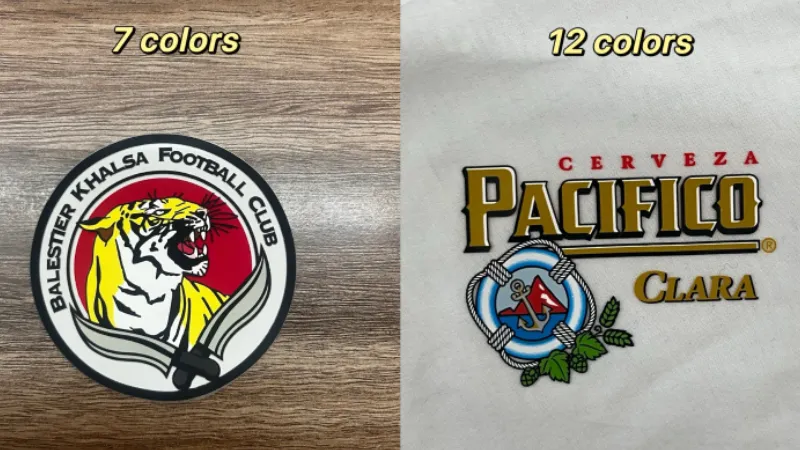
More colors often mean more screens, setup work, and printing steps.
However, color count alone does not determine the price. A design with fine outlines, tiny lettering, overlapping colors, or precise color boundaries may be much harder to produce than a simple design with more colors.
Accurate registration is essential to achieving clean edges and a consistent appearance.
Tip: Provide clear artwork showing all colors, outlines, and overlapping areas so your supplier can assess the actual production difficulty.
3.Order Quantity
Small orders usually have a higher unit price because setup costs are spread across fewer pieces.
For example, if a production run has a fixed setup cost of $100:
|Order quantity|Setup cost per piece|
|-|-|
|500 pieces|$0.20|
|2,000 pieces|$0.05|
|10,000 pieces|$0.01|
These figures are illustrative and represent setup costs only, not actual product prices.
If your production schedule allows, ask suppliers to quote several quantity levels to identify a more cost-effective option.
4.Additional Finishing and Special Effects
Special effects can add production steps, material costs, or finishing requirements.
일반적인 예로는 다음과 같은 것들이 있습니다:
Raised or 3D effects: May require additional material or printing passes.
Matte or glossy finishes: May require specific materials or process adjustments.
Special colors: Metallic, fluorescent, or customized colors may require additional formulation or color matching.
Multilayer printing: Used to achieve greater opacity, color depth, or visual dimension.
Special cutting and backing: Complex shapes, adhesives, or specific attachment methods can increase production difficulty.
The cost impact depends on the design and manufacturing method. Specifying these requirements at the beginning helps avoid unexpected costs during sampling.
5.Artwork Complexity
Even when two designs have the same dimensions, thickness, and number of colors, their production difficulty can differ significantly.
Fine lettering, narrow lines, sharp corners, and intricate graphics can make it harder to maintain clean edges and consistent print coverage.
A design that looks simple on a computer screen is not always simple to manufacture.
An experienced supplier can review your artwork and suggest adjustments that improve production feasibility without compromising the intended look.
6.Quality Standards and Testing
A low quotation does not necessarily mean better value.
Depending on the application, silicone labels may need to meet requirements for adhesion, washing durability, flexibility, color consistency, and resistance to cracking or peeling.
Suppliers may differ in their quality-control procedures, testing capabilities, and acceptance criteria. These differences can influence the quoted price.
A higher price does not automatically guarantee better quality, either. Buyers should confirm the actual specifications, testing requirements, and inspection standards before placing a bulk order.
7.Supplier Capabilities and Production Efficiency
Production equipment, material sourcing, technical experience, and process stability can all affect costs.
An experienced supplier may identify potential problems during artwork review and recommend adjustments that reduce unnecessary production steps or rework.
However, a larger factory is not always more expensive, and a smaller supplier is not always cheaper.
The right supplier is one that can consistently meet your specifications, quality standards, delivery schedule, and target cost.
How to Compare Silicone Screen Printing Quotes
Before choosing a supplier, make sure all quotations are based on the same specifications.
Use this checklist:
- [ ] Same artwork and dimensions
- [ ] Same silicone thickness and printing coverage
- [ ] Same colors and registration requirements
- [ ] Same finishing effects and backing method
- [ ] Same order quantity
- [ ] Comparable quality standards and testing
- [ ] Same packaging and delivery terms
If one supplier quotes a thinner print or fewer production steps, the lower price may reflect a different product rather than better cost efficiency.
How Can You Reduce Silicone Label Costs?
You don’t always need to ask your supplier for a discount. Consider these practical options:
- Optimize thickness: Specify only the thickness required for your design and application.
- Simplify artwork: Where possible, adjust fine lines, tiny lettering, or overlapping details to improve production efficiency.
- Review special effects: Keep the finishing features that contribute real value to the design.
- Plan quantities early: Compare different order quantities and discuss repeat-order requirements in advance.
The goal is to balance appearance, durability, production feasibility, and cost—not simply to choose the cheapest quotation.
자주 묻는 질문
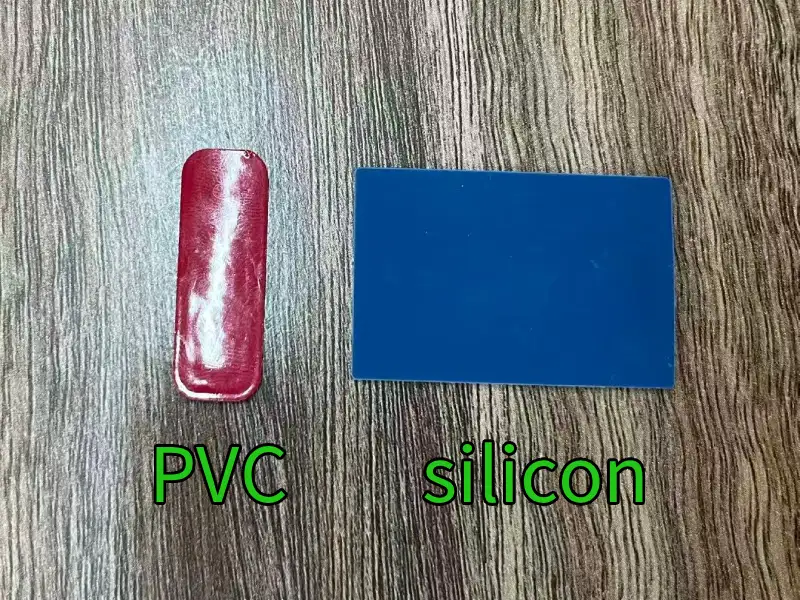
Is silicone screen printing more expensive than PVC labels?
It depends on the material, thickness, construction, design, and finishing requirements. Neither option is always cheaper; compare the actual specifications and performance requirements.
Why is one supplier’s silicone label price higher than another’s?
Differences in silicone thickness, printing coverage, color registration, finishing, order quantity, and quality requirements can all affect the price.
Does adding more colors always increase the cost?
Additional colors often increase setup and printing requirements, but design complexity also matters. A complicated two-color design may be harder to produce than a straightforward three-color design.
What information do I need to request an accurate quotation?
Provide your artwork, dimensions, silicone thickness, colors, finishing requirements, attachment method, order quantity, and delivery destination. A reference sample is also helpful.
Looking for a Reliable Silicone Label Manufacturer?
At Qinghan, we work with brands to evaluate artwork, understand application requirements, and identify suitable manufacturing solutions.
Whether you’re developing silicone logos for sportswear, outdoor apparel, streetwear, or fashion collections, our team can help assess your design and balance visual impact, performance, and cost.
Have a silicone label design you’d like us to evaluate?
Send us your artwork, dimensions, required thickness, and estimated order quantity. We’ll help you understand the key factors affecting your quotation.
Visit https://www.qinghanlabel.com/ to learn more about our garment accessories and customization capabilities.
A good quotation should do more than give you a price. It should help you understand what you’re paying for—and how to get the best value for your brand.
저자 소개
——————————————————————————————————————————————

Vicky
영업 관리자
안녕하세요, 저는 비키입니다. 폭넓은 업계 경험과 다재다능한 기술을 바탕으로 팀 협업과 고객 서비스 모두에 탁월하며 항상 최고의 고객 경험을 보장하기 위해 전문성과 효율성을 유지합니다.
——————————————————————————————————————————————