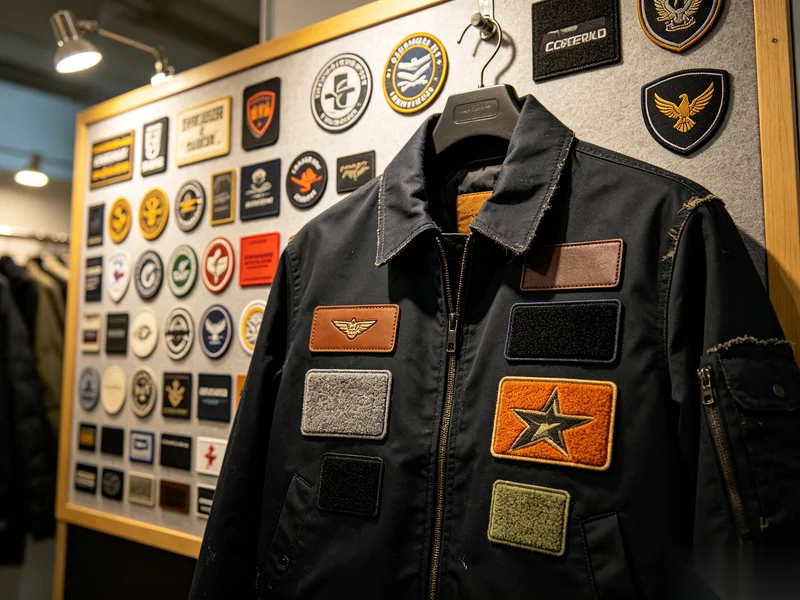
Heat transfer labels and patches are widely used in modern apparel for branding, decoration, and functional applications. However, if not applied correctly, they can also become a major source of quality issues and customer complaints.
This article explains the most common risks associated with heat transfer labels and shares practical, production-proven methods to reduce those risks effectively.
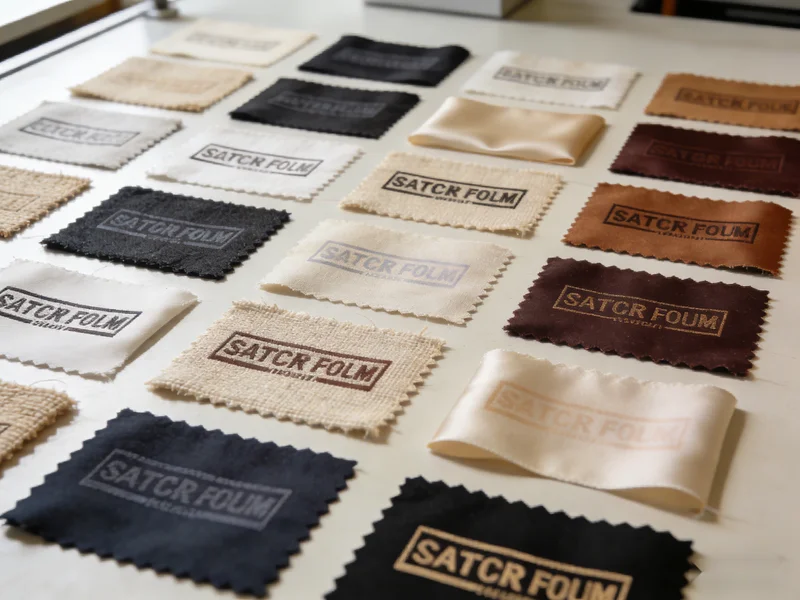
1. Common Risks When Using Heat Transfer Labels
In garment production, heat transfer labels may encounter the following problems:
- Label peeling, edge lifting, or cracking after heat pressing
- Detachment or surface cracking after washing
- Fabric yellowing, glazing, or shrinkage caused by high temperature
- Inconsistent results across different fabric batches
- Difficulty determining responsibility when customer complaints occur
Most of these issues are not caused by the label alone, but by mismatches between materials, adhesive systems, and application parameters.
2. Key Methods to Reduce Heat Transfer Label Risks
1) Select the Right Adhesive Based on Fabric Type
Different fabrics require different adhesive systems:
- Cotton / Polyester / Nylon / Stretch fabrics → different glue formulations
- Lightweight or delicate fabrics → low-temperature adhesive
- Waterproof or windproof fabrics → specially formulated backing glue
Using the wrong adhesive is one of the most common causes of peeling and wash failure.
2) Conduct Complete Pre-Production Testing
Pre-production testing is critical and should never be skipped.
Testing should be conducted:
- During sampling
- Before bulk production
Tests should cover:
- Different fabric colors, weights, and batches
- Peel strength test
- Stretch test
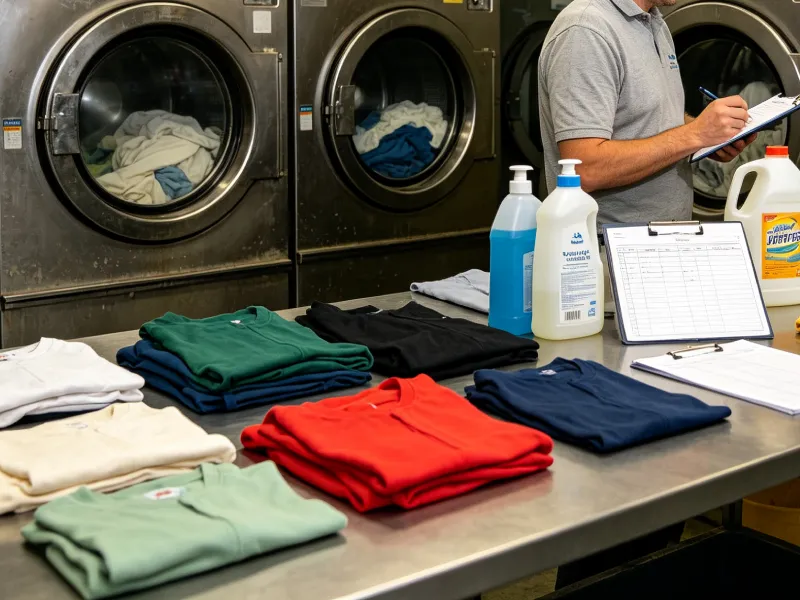
- Wash test
⚠️ Even if a sample passes testing, bulk fabrics must be tested again before mass production.
3) Strictly Control Heat Press Parameters
Three key variables must be controlled:
- Temperature
- Time
- Pressure
Important note:
The same heat transfer label may require different parameters on different heat press machines.
Even when the label supplier provides recommended settings, garment factories must re-test and fine-tune parameters before production.
4) Clearly Distinguish Between Hot Peel and Cold Peel
Incorrect peeling timing significantly increases failure risk.
- Hot peel: film must be removed immediately
- Cold peel: film must be removed only after cooling
Peeling too early or too late can weaken adhesion and damage the label surface.
Clear process instructions are essential.
5) Allow Proper Curing and Resting Time After Pressing
After heat application:
- Avoid washing or stretching the garment within 24 hours
- Adhesive layers require time to fully cure and stabilize
Skipping this step often leads to early-stage wash failures.
6) Use Proper Wash Testing Standards
Wash testing should be clearly defined, including:
- Number of wash cycles (10 / 20 / 30 washes)
- Washing temperature
- Tumble drying or air drying
- Washing garments inside out
Consistent standards help align expectations between brands, factories, and suppliers.
7) Choose a Supplier with Technical Support Capability
A reliable heat transfer supplier should be able to:
- Provide heat press parameter guidance
- Customize adhesive systems based on fabric
- Assist with failure analysis and improvement solutions
Suppliers who only deliver products—but not technical support—often increase long-term risk.
Conclusion: Reducing Risk Starts with the Right Development Approach
Heat transfer label issues are rarely caused by a single factor.
They are usually the result of material mismatch, insufficient testing, or improper application control.
By focusing on:
- Fabric-based adhesive selection
- Complete pre-production testing
- Controlled application parameters
- Clear process instructions
Brands and garment factories can significantly reduce production risk and post-sale complaints.
Our Approach
At Qinghan Label, we help brands reduce heat transfer risks through material-based development, full testing support, and clear application guidelines—ensuring stable performance from sampling to mass production.
About Author
——————————————————————————————————————————————

Vicky
Sales Manager
Hi, I’m Vicky,.With extensive industry experience and a well-rounded skill set, I excel in both team collaboration and customer service, always maintaining professionalism and efficiency to ensure the best client experience.
——————————————————————————————————————————————