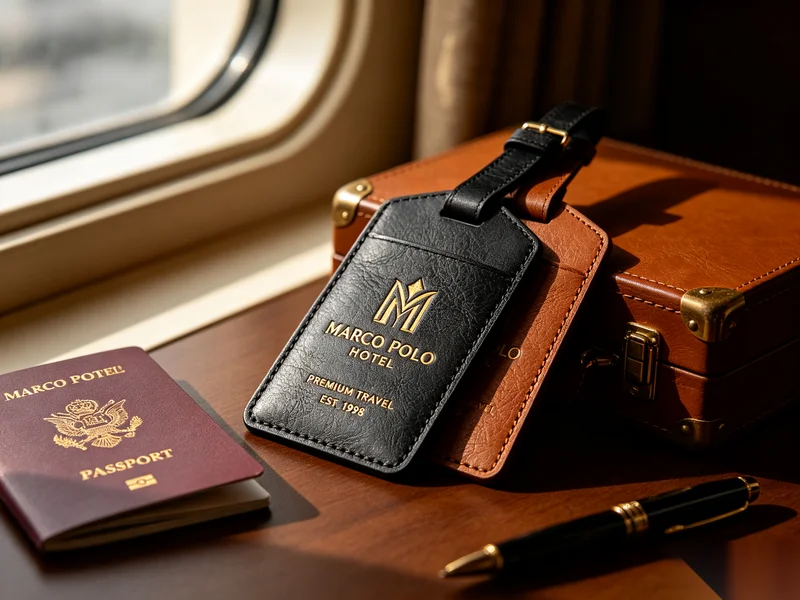
How Can You Tell the Difference Between Genuine Leather, PU Leather, Microfiber Leather, and Recycled Leather?
Genuine leather is made from natural animal hides and offers unique texture and breathability. PU leather is a synthetic alternative with lower cost and lighter weight. Microfiber leather closely mimics genuine leather in performance and durability, while recycled leather is an eco-friendly material made from leather scraps mixed with binders.
Why Understanding Leather Types Matters in the Trim & Patch Industry
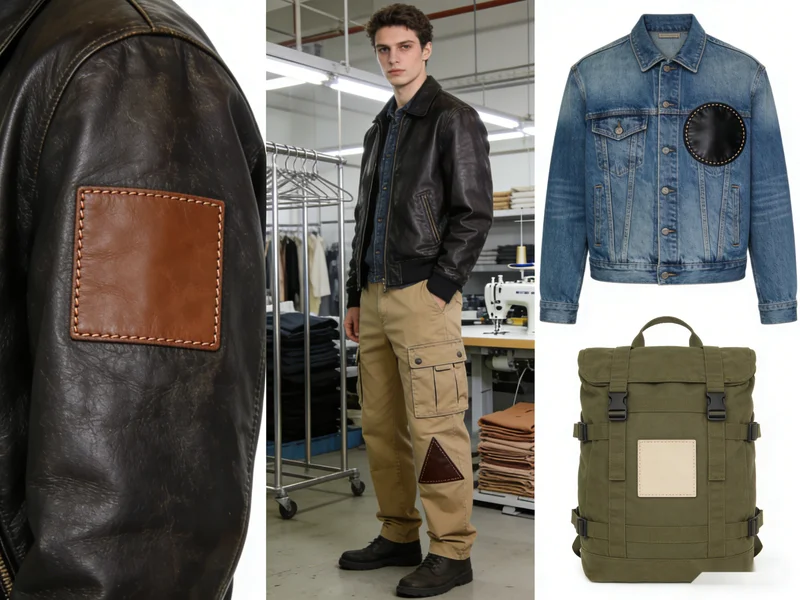
In the garment accessories and patch manufacturing industry, leather patches are widely used for branding on:
- Jackets and coats
- Denim and casual wear
- Outdoor and workwear garments
- Bags, hats, and accessories
Different leather materials perform very differently in terms of appearance, durability, washability, cost, and sustainability. Choosing the wrong leather type may lead to unexpected quality issues or cost inefficiencies.
This guide explains the four most common leather materials used in fashion and leather patches, and how to distinguish them in practice.
1. What Is Genuine Leather?
Definition
Genuine leather is made from natural animal hides—most commonly cowhide, sheepskin, or goatskin—processed through tanning to preserve the leather’s natural structure and texture.

Key Characteristics
- Hand feel: Soft, elastic, and naturally warm to the touch
- Breathability: Excellent air permeability
- Durability: Long-lasting; develops a unique patina over time
- Appearance: Natural, irregular grain patterns
How to Identify Genuine Leather
- Smell: Natural leather scent, not chemical or plastic-like
- Texture: Irregular grain; no two pieces look exactly the same
- Touch: Soft and flexible with natural rebound
Common Applications
- Premium leather patches
- High-end garments and accessories
- Luxury branding labels
2. What Is PU Leather?
Definition
PU leather (Polyurethane leather) is a synthetic material made by coating PU resin onto a fabric or synthetic base, creating a leather-like surface.

Key Characteristics
- Animal-free: No animal hides involved
- Lightweight: Easier to cut and process
- Cost-effective: Significantly cheaper than genuine leather
- Uniform appearance: Consistent texture and color
How to Identify PU Leather
- Smell: Noticeable chemical or plastic odor
- Texture: Smooth and uniform, lacks natural grain variation
- Touch: Cooler and less elastic than genuine leather
Common Applications
- Budget-friendly leather patches
- Fashion garments with short product cycles
- Promotional and fast-fashion items
3. What Is Microfiber Leather (Synthetic Leather)?
Definition
Microfiber leather is a high-performance synthetic leather made from ultra-fine fibers combined with polyurethane. It is designed to closely replicate the look and feel of genuine leather.
Key Characteristics
- Excellent durability: High resistance to abrasion and tearing
- Good breathability: Much better than standard PU leather
- Consistent quality: Stable performance across batches
- Animal-free & eco-conscious: No animal hides used
How to Identify Microfiber Leather
- Touch: Very soft and elastic, similar to genuine leather
- Appearance: More uniform grain than real leather
- Performance: Strong tensile strength and wash resistance
Common Applications
- High-quality leather patches
- Outdoor and workwear garments
- Brands seeking leather-like quality without animal materials
4. What Is Recycled Leather?
Definition
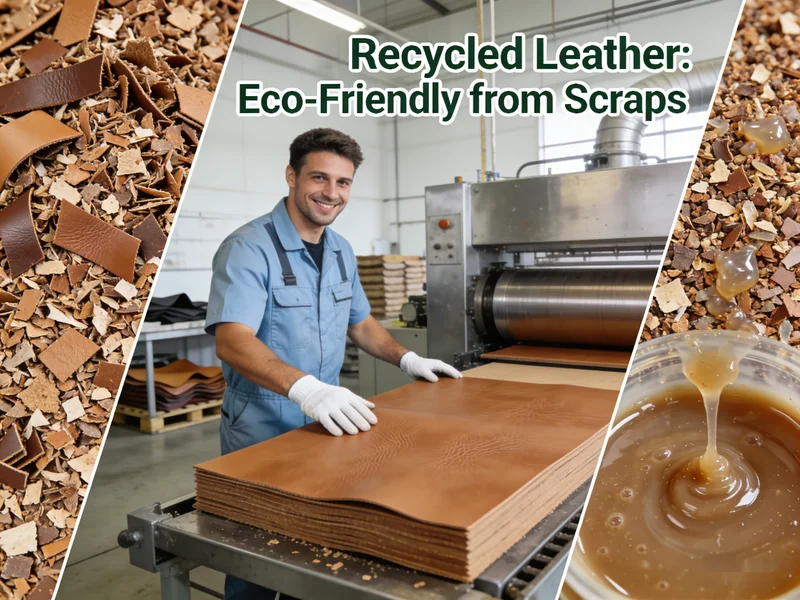
Recycled leather is made by grinding leather scraps and fibers from genuine leather production, then blending them with binders and coatings to form a new sheet material.
Key Characteristics
- Eco-friendly: Reduces leather waste
- Cost-effective: Lower price than genuine leather
- Moderate appearance: Less refined than natural leather
- Stable supply: Suitable for standardized production
How to Identify Recycled Leather
- Appearance: Grain and color appear more uniform
- Touch: Slightly drier or stiffer than genuine leather
- Edge view: Often reveals a compressed fiber structure
Common Applications
- Environmentally focused leather patches
- Mid-range fashion products
- Brands emphasizing sustainability
Comparison Table: Leather Types at a Glance
| Material Type | Natural | Durability | Breathability | Cost | Sustainability |
|---|---|---|---|---|---|
| Genuine Leather | Yes | High | Excellent | High | Medium |
| PU Leather | No | Medium | Low | Low | Medium |
| Microfiber Leather | No | High | Good | Medium | High |
| Recycled Leather | Partial | Medium | Medium | Low–Medium | High |
FAQ: Choosing Leather for Patches
Q: Which leather is best for premium leather patches?
A: Genuine leather or microfiber leather, depending on brand positioning.
Q: Is PU leather suitable for washable garments?
A: It can be, but durability is generally lower than microfiber leather.
Q: Is recycled leather real leather?
A: It contains real leather fibers but is bonded with synthetic materials.
Conclusion
Understanding the differences between genuine leather, PU leather, microfiber leather, and recycled leather is essential when developing leather patches and garment accessories.
Each material serves a different purpose—whether prioritizing luxury appearance, cost efficiency, durability, or sustainability. Making the right choice ensures that the final product performs well, looks appropriate, and aligns with the brand’s positioning.
About Author
——————————————————————————————————————————————

Amy
Sales Manager
Hi, I’m Amy, Sales Manager. With a detail-oriented and friendly approach, I listen carefully to clients’ needs and deliver attentive service, ensuring they find the best solutions with ease.
——————————————————————————————————————————————