There is no single standard patch size for every application, but most patches range from 2 to 4 inches in width or height. The ideal patch size depends on the garment type, logo complexity, placement location, and branding goals, making proper sizing essential for both appearance and functionality.
What Is a Standard Patch Size?
The term standard patch size refers to the most commonly used dimensions for patches applied to apparel, uniforms, hats, bags, and promotional products. While there is no universal industry standard, certain sizes have become widely accepted based on typical garment applications.
The most common patch sizes include:
| Application | Common Patch Size |
|---|---|
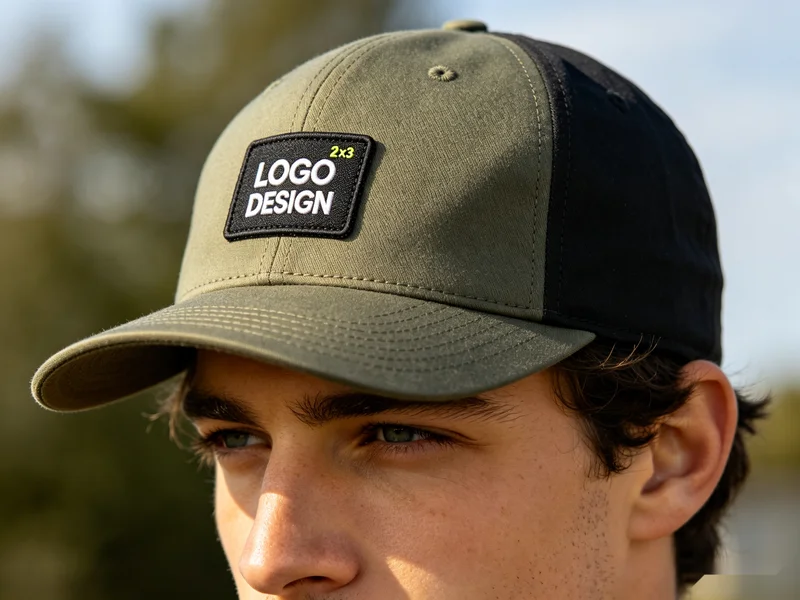
| Hats and Caps | 2″ × 3″ |
| Shirt Sleeve Patches | 2″ × 3″ to 3″ × 3″ |
| Chest Logo Patches | 3″ × 3″ |
| Uniform Patches | 3″ × 4″ |
| Jacket Front Patches | 4″ × 4″ |
| Jacket Back Patches | 8″ × 10″ or larger |
| Backpack Patches | 3″ × 4″ to 4″ × 5″ |
These dimensions serve as general guidelines, but the best patch size ultimately depends on the specific design and application.
Why Does Patch Size Matter?
Choosing the correct custom patch dimensions is important because patch size directly affects visibility, readability, and overall appearance.
A patch that is too small may make logos or text difficult to read. Conversely, an oversized patch can overwhelm the garment and create an unbalanced design.
Patch size also impacts manufacturing quality. Detailed logos often require larger dimensions to ensure fine elements remain clear and recognizable.
For businesses producing branded apparel, selecting the appropriate patch size helps maintain professional presentation and brand consistency.
How Do Manufacturers Measure Patch Size?
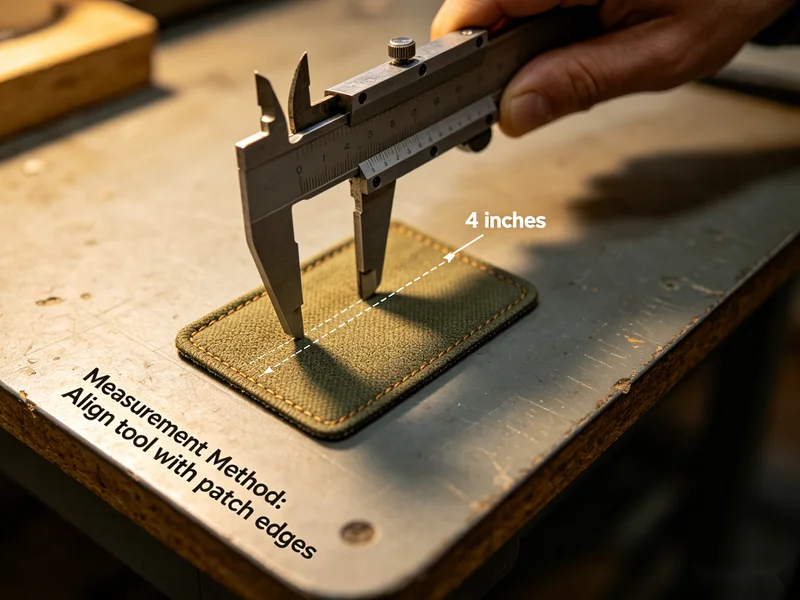
Patch manufacturers typically measure size based on the longest dimension.
For example:
- A round patch measuring 3 inches across is considered a 3-inch patch.
- A rectangular patch measuring 2″ × 4″ is generally classified as a 4-inch patch because 4 inches is the longest side.
- An irregularly shaped patch is measured using its maximum height and width.
Understanding this measurement method helps buyers accurately communicate their requirements when ordering patches.
What Are the Most Popular Embroidered Patch Sizes?
When discussing embroidered patch sizes, several dimensions are consistently popular across different industries.
Small Patches (1″–2″)
Small patches are commonly used for:
- Hat logos
- Minimal branding
- Name tags
- Small accessory decorations
Medium Patches (2″–4″)
These are the most widely used sizes because they balance visibility and flexibility.
Typical applications include:
- Uniform badges
- Chest logos
- Sleeve patches
- Promotional patches
Large Patches (5″–8″)
Large patches provide greater visual impact and are often used for:
- Club logos
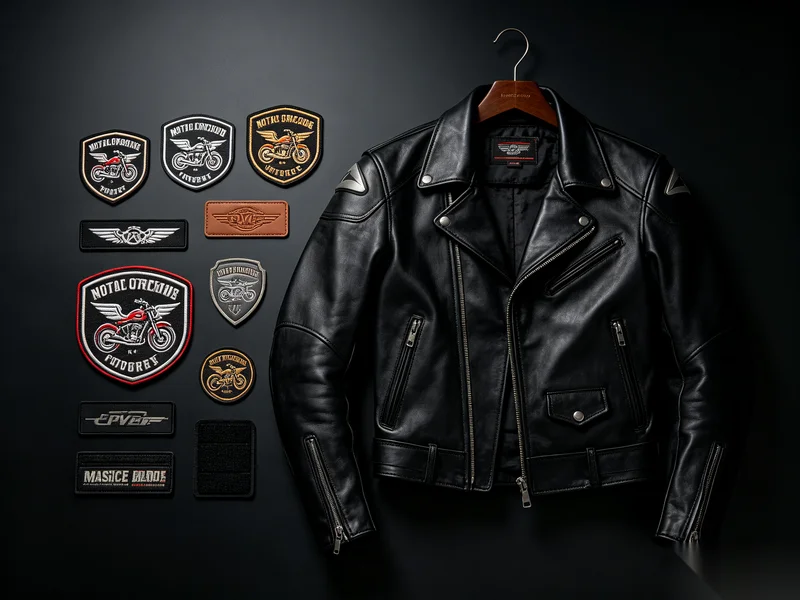
- Motorcycle patches
- Team branding
- Jacket decorations
Oversized Patches (8″+)
Oversized patches are typically designed for jacket backs, sports team apparel, and event merchandise where maximum visibility is desired.
How to Choose the Right Patch Size for Different Products
Selecting the correct standard patch size depends on where the patch will be placed.
Hats and Caps
Hat patches generally range from 2 to 3 inches wide. This size fits comfortably on front panels while maintaining logo visibility.
Polo Shirts and Uniforms
Left chest patches are usually between 2.5 and 4 inches. This size provides clear branding without overwhelming the garment.
Sleeves
Sleeve patches commonly measure between 2 and 3.5 inches and are often used for flags, company logos, or team identifiers.
Jackets
Front jacket patches typically range from 3 to 5 inches, while back patches can exceed 10 inches depending on the design.
Bags and Backpacks
Patches measuring 3 to 4 inches are commonly used because they provide strong visibility without occupying excessive space.
How Does Design Complexity Affect Patch Size?
One of the most important considerations when selecting custom patch dimensions is artwork complexity.
Simple logos can often be produced at smaller sizes without sacrificing clarity.
However, designs containing:
- Small text
- Fine lines
- Detailed illustrations
- Multiple colors
usually require larger dimensions to maintain readability and visual quality.
For example, a simple icon may look excellent at 2 inches, while a detailed corporate logo may require 4 inches or more to ensure accurate reproduction.
Working with an experienced patch manufacturer can help determine the minimum size required for optimal results.
Standard Patch Sizes for Different Patch Types
Not all patch types perform equally at every size.
Embroidered Patches
Embroidery works best with medium and large sizes where stitching details can be clearly defined.
Woven Patches
Woven patches can reproduce finer details and are often suitable for smaller dimensions.
PVC Patches
PVC patches are highly versatile and can be produced in both small and large sizes while maintaining detail.
Chenille Patches
Chenille patches generally require larger dimensions because their textured yarn structure is most effective in bold designs and large lettering.
Choosing the appropriate patch type can significantly influence the ideal patch size.
What Factors Should B2B Buyers Consider?
Businesses ordering patches should evaluate several factors before finalizing dimensions.
Logo Visibility
The patch should be large enough for the logo to remain recognizable.
Garment Placement
Available space on the product will determine the maximum patch size.
Production Costs
Larger patches generally require more material and labor, which can increase costs.
Brand Consistency
Using standardized patch sizes across product lines can improve visual consistency and strengthen brand identity.
End User Experience
The patch should complement the garment without affecting comfort or functionality.
By considering these factors early, buyers can achieve better results while controlling production costs.
FAQ
What is the most common standard patch size?
Most apparel patches range between 2 and 4 inches, making this the most common size category.
How are patch sizes measured?
Patches are usually measured by their longest dimension, regardless of shape.
What patch size is best for hats?
Most hat patches are approximately 2 to 3 inches wide.
Can small patches include detailed logos?
Small patches can include simple logos, but detailed artwork often requires larger dimensions for clarity.
What is a typical jacket patch size?
Front jacket patches are commonly 3 to 5 inches, while back patches can exceed 8 inches.
Do different patch types require different sizes?
Yes. Embroidered, woven, PVC, and chenille patches each have different detail capabilities that may influence the ideal size.
Conclusion
Understanding the standard patch size is essential for creating patches that are visually effective, functional, and aligned with branding goals. While most applications fall within the 2- to 4-inch range, the ideal dimensions depend on design complexity, placement, and patch type. By using a reliable patch size guide and working closely with experienced manufacturers, businesses can select the most appropriate custom patch dimensions to achieve professional and impactful results across apparel, uniforms, promotional products, and accessories.
About Author
——————————————————————————————————————————————

Apollo
Senior E-commerce Manager
Apollo is an experienced e-commerce manager specializing in patches, apparel accessories, and digital marketing, helping global textile brands grow with proven online strategies.
——————————————————————————————————————————————