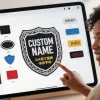
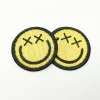
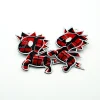
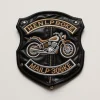
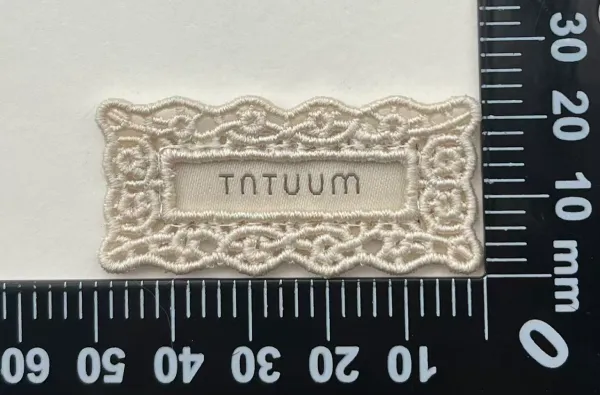
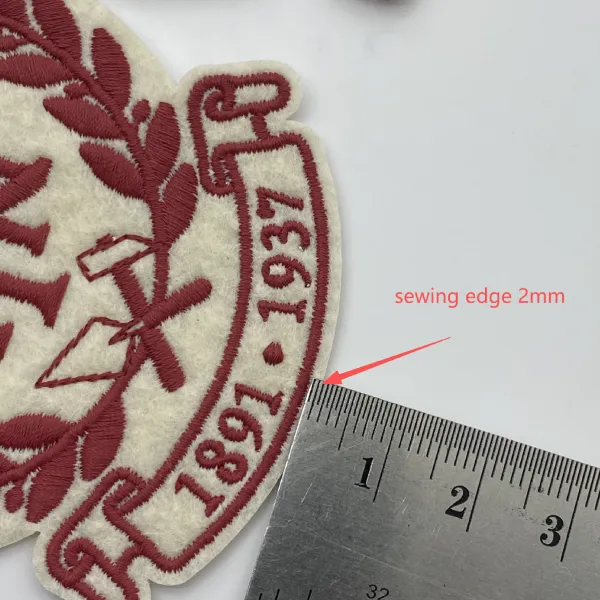
A patch label is a textile or synthetic badge applied to garments, accessories, or products to display branding, logos, or care information. Used widely in fashion, sportswear, and promotional products, patch labels combine visibility, durability, and style to enhance brand identity and product recognition.
What Is a Patch Label?
A patch label is a piece of fabric or material designed to carry a brand logo, graphic, or text that is attached to apparel, bags, or other textile products. Unlike printed or direct embroidery on fabric, patch labels are separate elements that can be sewn, ironed, or heat-transferred onto the product.
Patch labels serve both functional and aesthetic purposes. Functionally, they communicate brand, size, care, or certification information. Aesthetically, they contribute to the garment’s design, giving it a premium or distinctive look.
Common types include woven patch labels, embroidered patch labels, and leather or PVC patch labels, each offering unique texture, durability, and visual appeal.
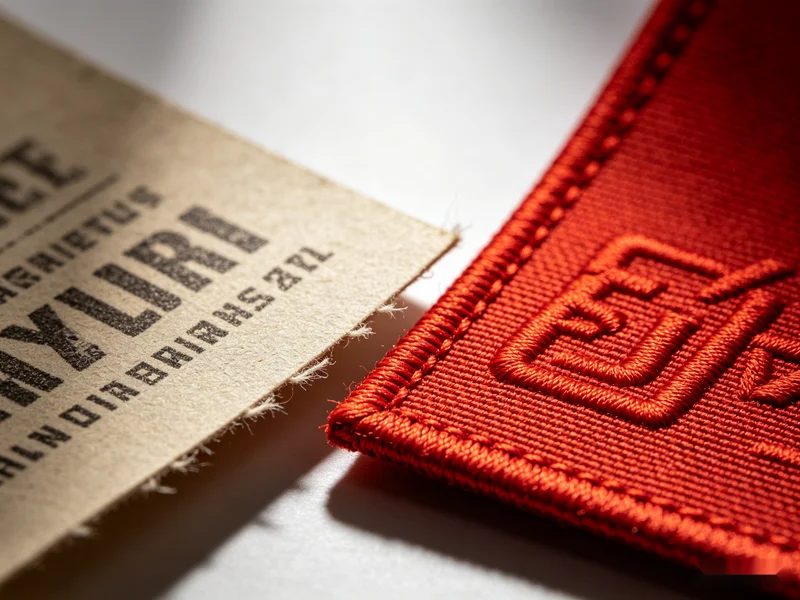
How Are Patch Labels Made?
The production of custom patch labels involves several key steps depending on the material and design:
Woven Patch Labels
- Design artwork is converted into a weaving pattern.
- Threads are interlaced on a jacquard loom to form the logo or text.
- Labels are cut and finished with sewn edges or folds.

Embroidered Patch Labels
- The design is digitized for embroidery machines.
- Thread is stitched onto a fabric base, often felt or twill.
- Edges are reinforced to prevent fraying.
Leather or PVC Patch Labels
- Designs are stamped, embossed, or printed onto the material.
- Backings can be sew-on, iron-on, or adhesive.
After production, labels are finished with attachment options suitable for their application, ensuring they remain durable and visually appealing.
Why Are Patch Labels Used in Apparel and Accessories?
Garment patch labels provide multiple advantages:
- Brand Recognition – Patch labels prominently display logos, making products instantly recognizable.
- Durability – Woven and embroidered labels are long-lasting, retaining clarity through repeated washing.
- Design Enhancement – They add texture, color, and sophistication to garments or accessories.
- Versatility – Suitable for T-shirts, jackets, hats, bags, and other products.
- B2B Utility – Brands can create consistent, professional branding for bulk orders.
This combination of function and style makes custom patch labels a preferred choice for B2B apparel manufacturing and premium fashion lines.
What Types of Patch Labels Are Most Popular?
Woven Patch Labels
Ideal for detailed logos and brand names, woven patch labels offer smooth texture and high precision. They are commonly used in premium clothing and uniforms.
Embroidered Patch Labels
These labels create a raised, textured effect that is perfect for visible branding or decorative elements. Embroidery adds a tactile and premium feel to garments.
Leather Patch Labels
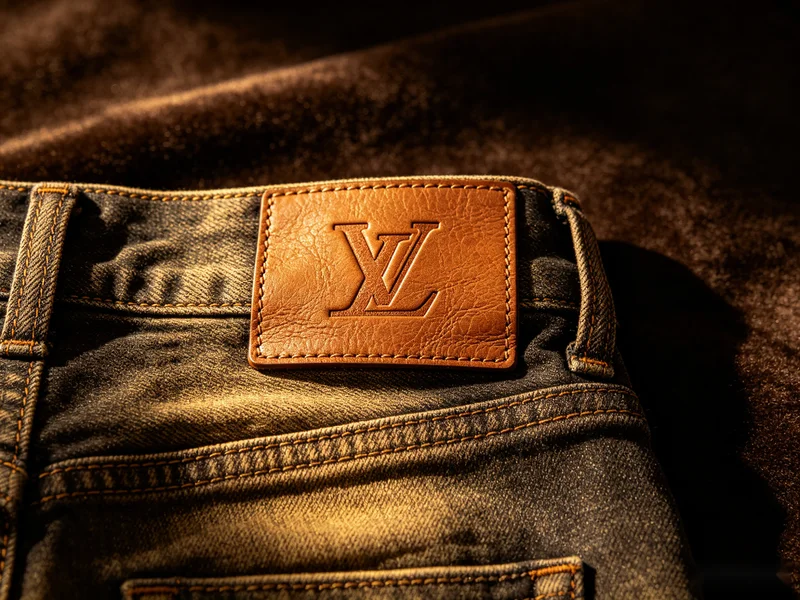
Leather labels convey a luxury look and are often seen on jeans, bags, and jackets. They can be embossed or printed for branding.
PVC and Silicone Patch Labels
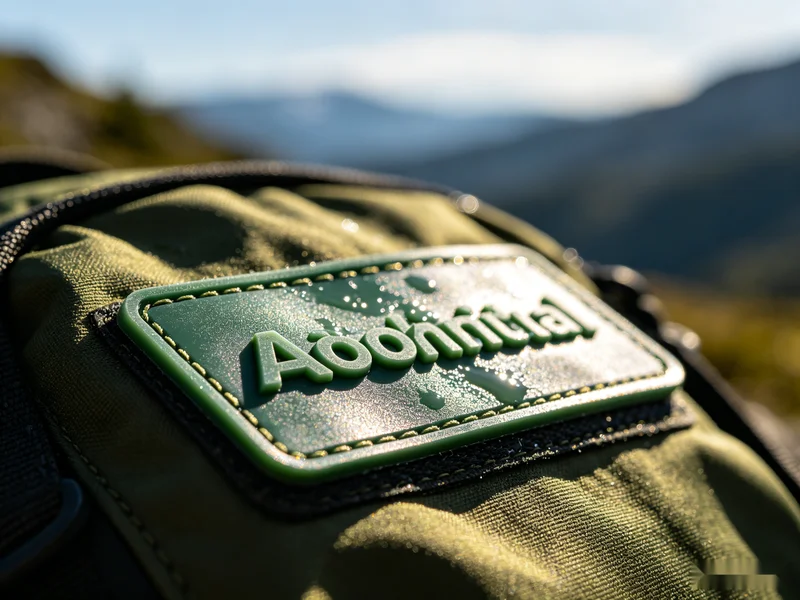
These are durable and weather-resistant, making them suitable for outdoor gear, sportswear, and promotional items.
Heat Transfer Patch Labels
Ideal for comfort and minimal bulk, these are applied directly to the garment using heat, creating a smooth and tagless finish.
How to Choose the Right Patch Label for Your Brand
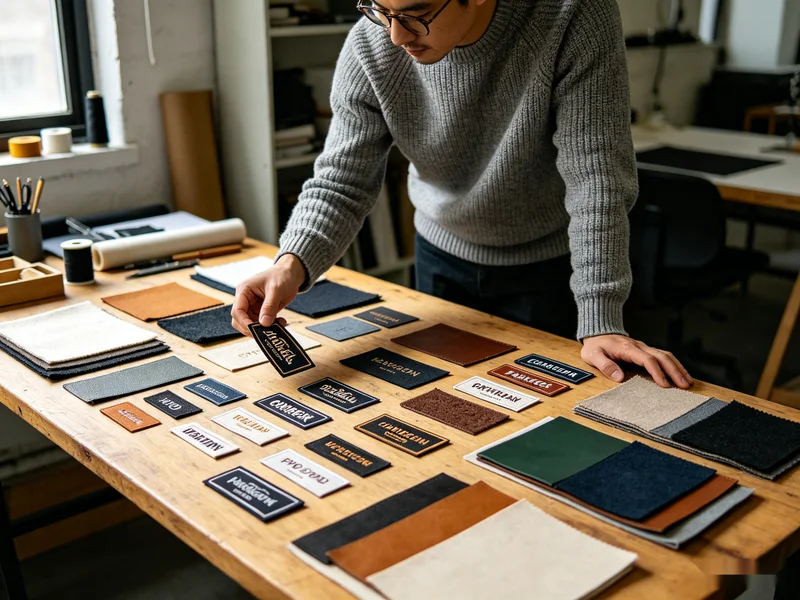
Selecting the correct garment patch label depends on several factors:
- Material – Consider the fabric and product type. Leather is best for jackets, woven for shirts, and PVC for outdoor gear.
- Design Complexity – Woven labels are ideal for intricate designs, while embroidery works well for bold patterns.
- Application Method – Sew-on is secure, iron-on is convenient, and heat-transfer is smooth and lightweight.
- Quantity & Budget – Bulk orders reduce unit cost, but high-quality labels may require higher upfront investment.
- Durability Requirements – Consider washing frequency and garment use.
A professional manufacturer can provide guidance to ensure the patch label enhances both branding and garment functionality.
Where Are Patch Labels Commonly Applied?
Patch labels are widely used across various industries and products:
- Fashion Apparel – T-shirts, hoodies, jackets, denim, and activewear.
- Accessories – Bags, backpacks, caps, and hats.
- Uniforms – Corporate, school, and sports uniforms.
- Promotional Products – Giveaways, custom merchandise, and branded apparel.
- Luxury Goods – Leather goods, high-end denim, and designer products.
This versatility makes patch labels a valuable tool for B2B brands seeking both functional and aesthetic branding solutions.
Patch Labels vs Traditional Printed Labels
Traditional printed labels are often sewn or heat-pressed directly onto the garment. While cost-effective, they can fade or wear out over time.
Patch labels, especially woven or embroidered types, offer:
- Longer lifespan
- Superior texture and tactile appeal
- Premium visual presentation
- Greater versatility in materials and applications
For brands prioritizing quality, identity, and longevity, patch labels are often the preferred solution.
FAQ
What is a patch label?
A patch label is a textile or synthetic badge applied to garments or accessories to display logos, branding, or care information.
Why use patch labels instead of printed labels?
Patch labels are more durable, provide a premium appearance, and can add texture to garments.
Can patch labels be customized?
Yes. They can be woven, embroidered, leather, PVC, silicone, or heat-transferred to match brand design.
What attachment methods are available for patch labels?
Common options include sew-on, iron-on, adhesive, and heat-transfer applications.
Which industries commonly use patch labels?
Fashion, sportswear, corporate uniforms, promotional products, and luxury goods often use patch labels.
Are patch labels durable in washing and wear?
Yes, woven, embroidered, leather, and PVC patch labels are designed to withstand repeated washing and daily use.
Patch labels remain a versatile, durable, and visually appealing branding solution for businesses in fashion, sportswear, and accessories. By choosing the right material, design, and application method, B2B brands can create high-quality custom patch labels that enhance both product identity and perceived value.
About Author
——————————————————————————————————————————————

Apollo
Senior E-commerce Manager
Apollo is an experienced e-commerce manager specializing in patches, apparel accessories, and digital marketing, helping global textile brands grow with proven online strategies.
——————————————————————————————————————————————