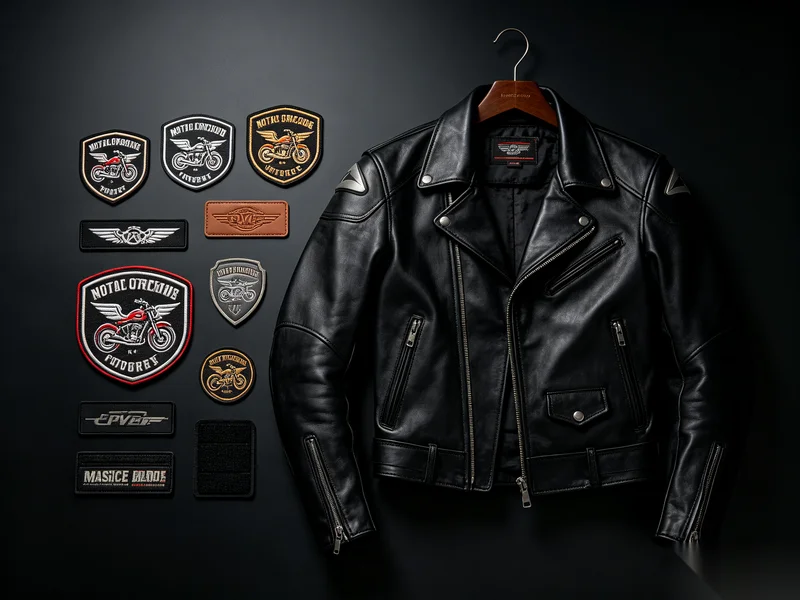
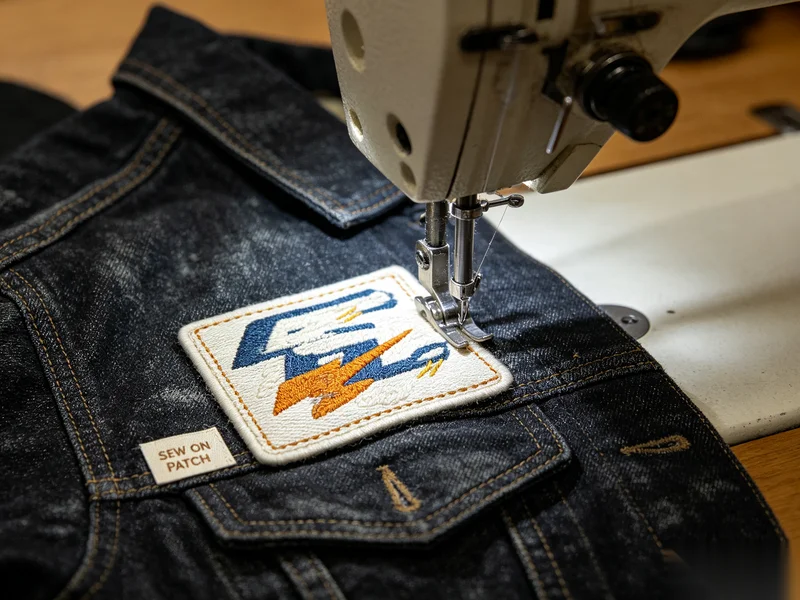
In Genuine Leather & PU Printing applications, silicone printing may fail due to surface oils, waxes, or coatings that inhibit curing and reduce adhesion. Switching to PU printing provides better compatibility, stable curing, and strong adhesion, making it a more reliable solution for leather-based products.
What Happened in This Genuine Leather Printing Case?
A client requested a 3D logo effect on genuine leather, initially choosing silicone screen printing to achieve a soft, thick, and non-toxic finish.
The Problem
During sampling, several issues appeared:
- Silicone failed to fully cure
- Surface remained sticky
- Poor adhesion to leather
- Peeling and detachment occurred
Even after:
- Extending curing time
- Adjusting process parameters
👉 The problem could not be resolved.
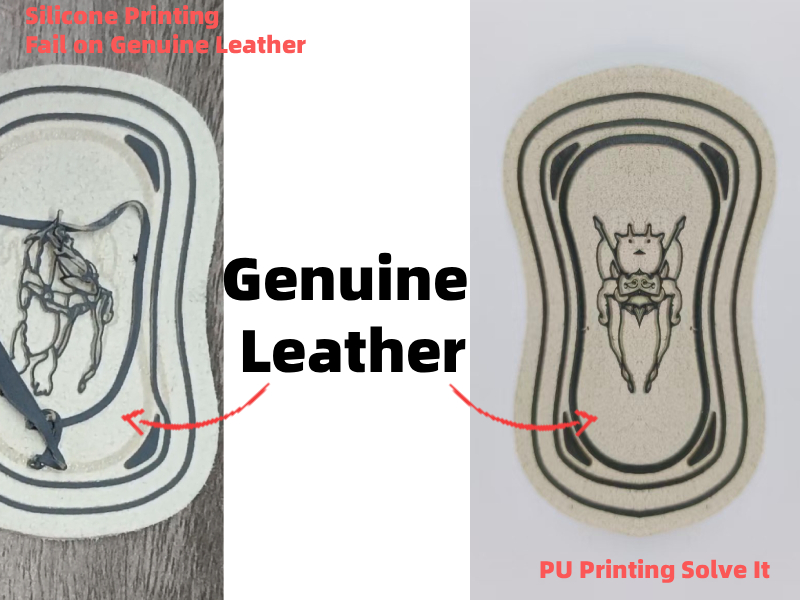
Why Does Silicone Printing Fail on Genuine Leather?
Short Answer:
Because of material incompatibility between silicone and treated leather surfaces.
Root Cause Analysis
Genuine leather is not a raw material—it is usually treated with:
- Natural oils and waxes
- PU or acrylic coatings
- Waterproofing agents
These substances lead to:
- Cure inhibition (silicone cannot fully solidify)
- Weak bonding between silicone and surface
- Increased risk of peeling or failure
👉 This is not a process issue—it is a material compatibility issue.
What Is Cure Inhibition in Genuine Leather & PU Printing?
Short Answer:
Cure inhibition occurs when surface chemicals prevent silicone from properly curing.
Technical Insight
- Silicone requires stable conditions to cross-link and solidify
- Contaminants (oil, wax, coatings) disrupt this reaction
- Result: sticky surface, incomplete curing, poor durability
👉 This is a common risk when applying silicone on coated substrates like leather.
How Does PU Printing Solve the Problem?
Short Answer:
PU printing is more compatible with leather surfaces, ensuring proper curing and strong adhesion.
Optimized Solution
After testing, the process was changed to:
👉 Non-toxic PU printing (PU ink system)
What Are the Advantages of PU Printing on Genuine Leather?
Short Answer:
PU printing offers better adhesion, stability, and production consistency compared to silicone on leather.
Key Benefits
- ✔ Excellent compatibility with leather coatings
- ✔ No cure inhibition issues
- ✔ Strong adhesion, no peeling
- ✔ Stable and consistent curing
- ✔ Can achieve similar 3D or matte effects
- ✔ Higher production yield for bulk orders
👉 Especially suitable for B2B manufacturing, where consistency is critical.
Can PU Printing Achieve the Same Effect as Silicone?
Short Answer:
Yes, in most cases PU printing can replicate similar visual and tactile effects.
Effect Comparison
| Feature | Silicone Printing | PU Printing |
|---|---|---|
| Soft Touch | Excellent | Very Good |
| 3D Effect | Strong | Comparable |
| Adhesion on Leather | Poor | Excellent |
| Production Stability | Low | High |
| Compatibility | Limited | Wide |
👉 PU printing provides a more reliable industrial solution without sacrificing appearance.
When Should You Avoid Silicone Printing?
Short Answer:
Avoid silicone when working with coated or treated materials like genuine leather.
High-Risk Materials
- Genuine leather with surface coatings
- PU-coated fabrics
- Oil-treated or waterproof materials
👉 In these cases, Genuine Leather & PU Printing solutions are more suitable.
Key Takeaways for B2B Buyers
Short Answer:
Material compatibility is more important than choosing a specific visual effect.
Professional Insight
In real production:
- Choosing the wrong process → leads to repeated sampling, delays, and higher costs
- Choosing the right material-process match → ensures stability and scalability
👉 For leather applications, PU printing is often the safer and more scalable option.
Conclusion
This case highlights a critical lesson in Genuine Leather & PU Printing:
Silicone printing may fail on treated leather due to cure inhibition and poor adhesion.
By switching to PU printing, the project achieved:
- Stable production performance
- Strong adhesion and durability
- مطلوب visual quality
- Compliance with safety and environmental standards
👉 In industrial applications, compatibility always outweighs preference.
About Author
——————————————————————————————————————————————

Mary
Sales Manager
Hi, I’m Mary. Passionate about exploring new industry trends, I stay ahead of the curve and offer clients forward-thinking solutions tailored to their needs.
——————————————————————————————————————————————