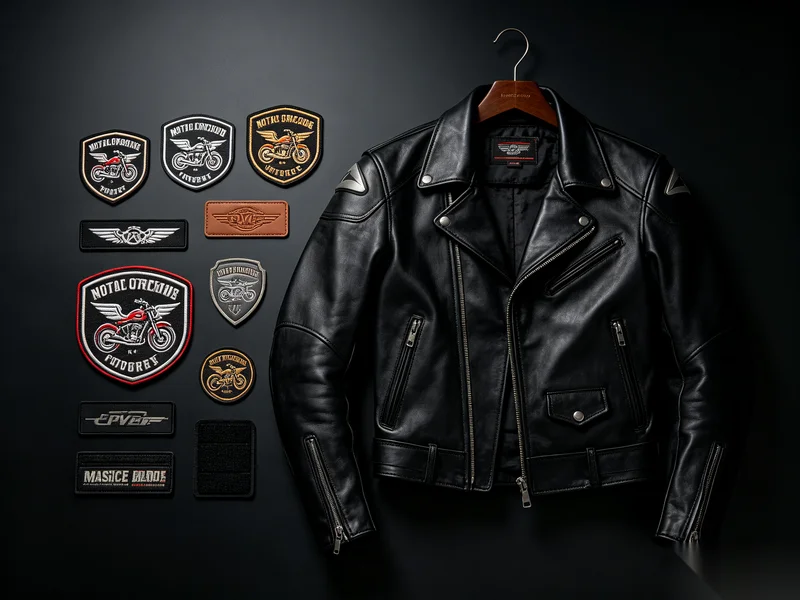
Custom garment labels are personalized labels designed to display a brand’s identity, product information, and care instructions on clothing. They help apparel brands build recognition, improve product presentation, comply with labeling requirements, and create a more professional customer experience.
What Are Custom Garment Labels?
Custom garment labels are labels specifically manufactured according to a brand’s design, logo, size requirements, and product specifications. Unlike generic labels, custom labels serve as a permanent branding element that helps distinguish products in a competitive market.
Garment labels are commonly sewn, heat-transferred, or attached to clothing and textile products to provide important information such as:
- Brand name
- Logo
- Size information
- Fabric composition
- Care instructions
- Country of origin
- Product identification
Today, custom clothing labels are used by fashion brands, sportswear manufacturers, workwear suppliers, children’s clothing companies, and private-label apparel businesses worldwide.
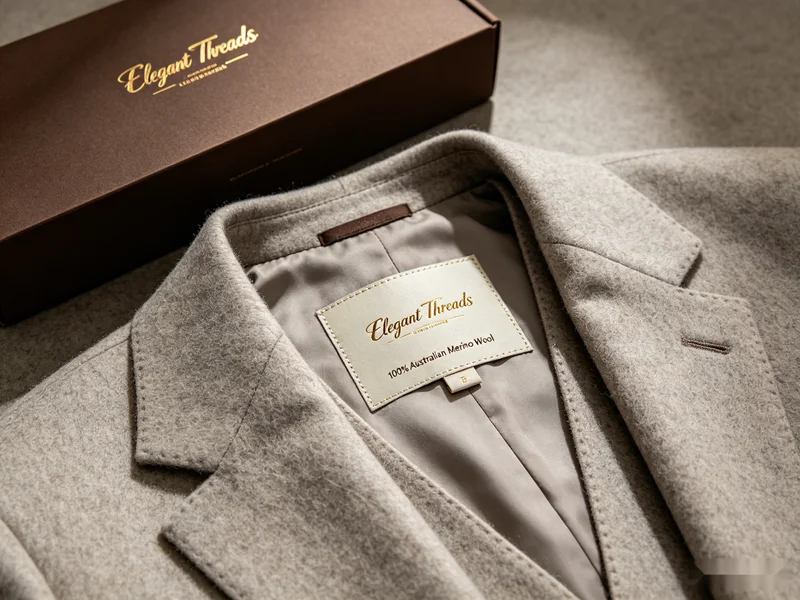
Why Are Custom Garment Labels Important for Apparel Brands?
For many consumers, the label is one of the first branding elements they notice when examining a garment.
Build Brand Recognition
A professionally designed label helps customers remember the brand and associate it with product quality.
Create a Premium Appearance
High-quality labels contribute to a more polished and professional product presentation.
Enhance Customer Trust
Clear labeling demonstrates attention to detail and helps establish credibility.
Support Regulatory Compliance
Many countries require garments to include specific information regarding fiber content, care instructions, and origin.
Improve Product Identification
Labels make it easier for retailers, distributors, and customers to identify products accurately.
For both established brands and startups, garment labels are an essential part of brand development.
What Types of Custom Garment Labels Are Available?
A professional garment label manufacturer can produce various label types depending on the intended application.
Woven Labels
Woven labels are one of the most popular choices for apparel branding.
Advantages include:
- Premium appearance
- Excellent durability
- Long-lasting colors
- High-end brand perception
They are commonly used for fashion apparel, luxury garments, and sportswear.
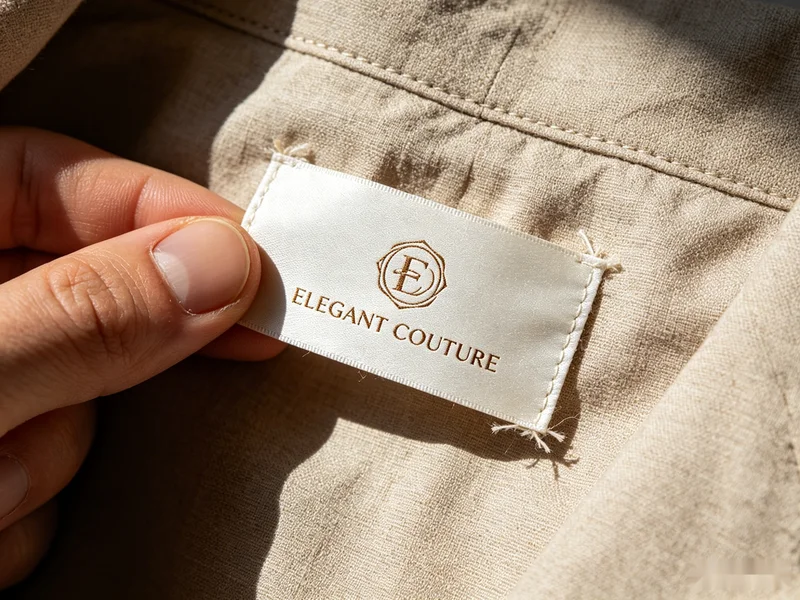
Printed Labels
Printed labels offer a cost-effective solution for displaying detailed information.
They are ideal for:
- Care instructions
- Size labels
- Product information
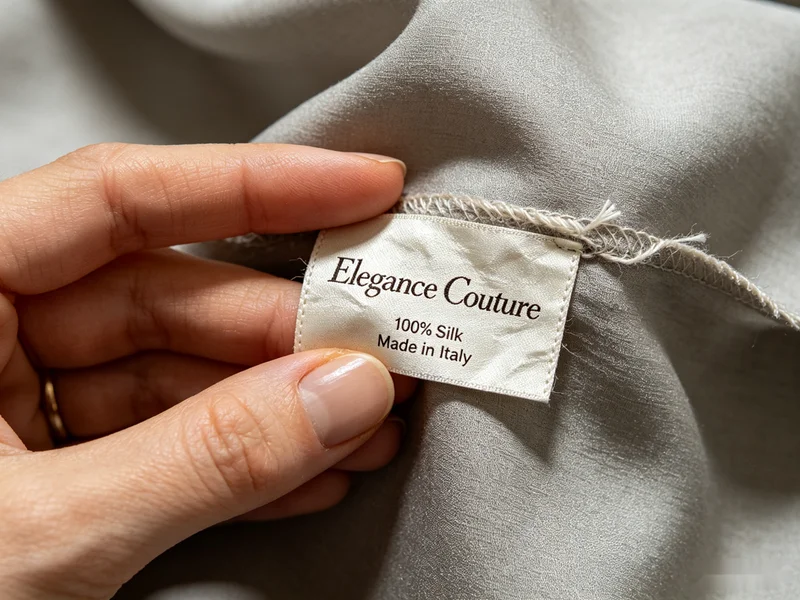
Heat Transfer Labels
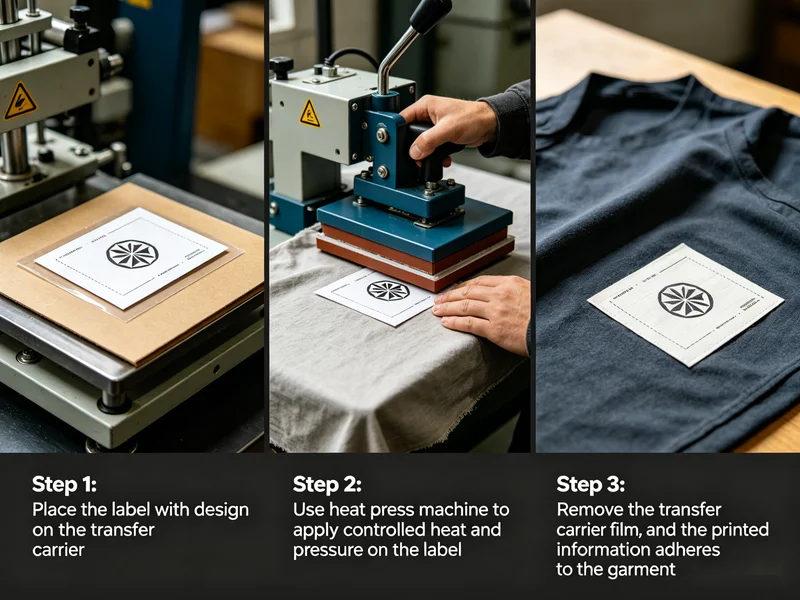
Heat transfer labels are applied directly to garments using heat and pressure.
Benefits include:
- Tagless comfort
- Lightweight feel
- Modern appearance
These labels are particularly popular in activewear and sportswear.
Satin Labels
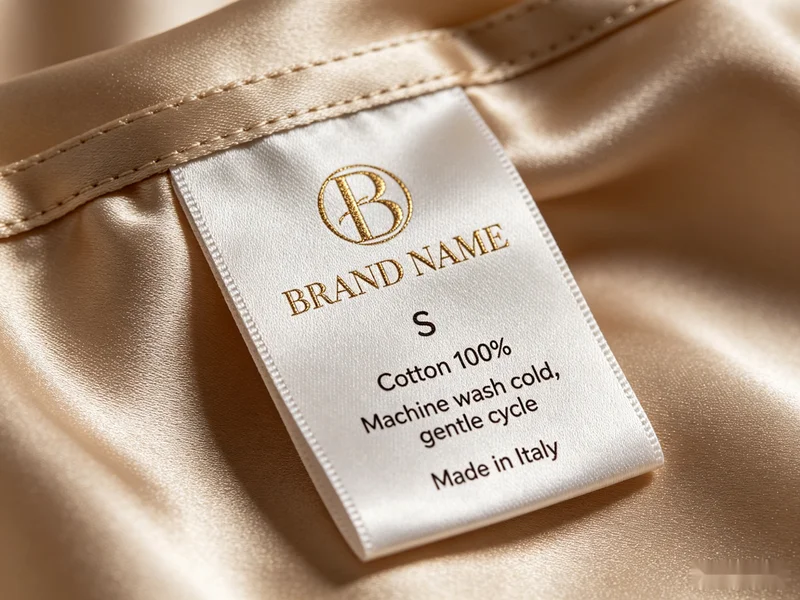
Satin labels provide a soft texture and premium appearance.
They are often used for:
- Lingerie
- Sleepwear
- Children’s clothing
- Luxury apparel
Cotton Labels
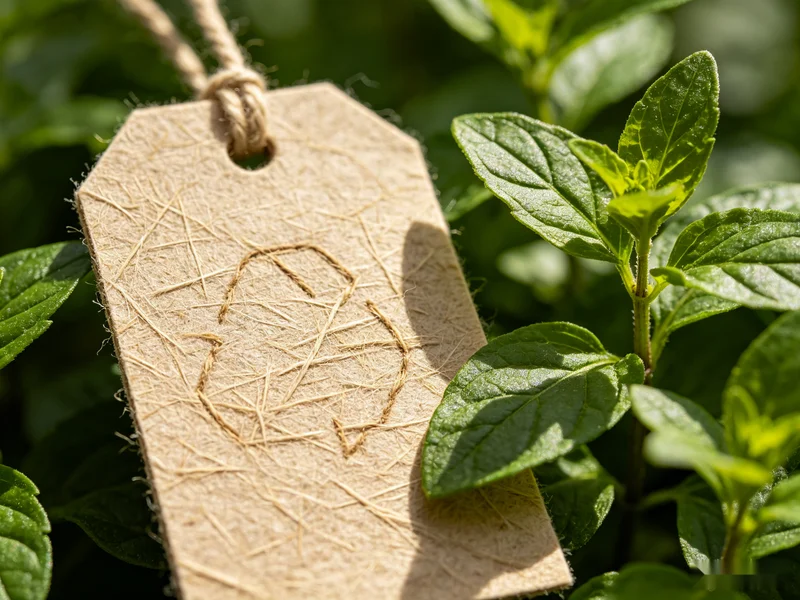
Cotton labels are frequently selected by sustainable and eco-conscious brands due to their natural appearance.
What Information Should Be Included on Custom Apparel Labels?
The content of custom apparel labels depends on the product type and target market.
Common information includes:
Brand Identity
- Brand name
- Company logo
- Slogan
Product Details
- Size
- Style number
- Product code
Fabric Composition
- Cotton
- Polyester
- Nylon
- Wool
- Blended materials
Care Instructions
- Washing recommendations
- Drying instructions
- Ironing guidelines
Country of Origin
Many regions require garments to display manufacturing origin information.
Including accurate information helps consumers maintain products properly and supports regulatory compliance.
How Are Custom Garment Labels Manufactured?
The production process varies according to the label type.
Design Development
Customers provide artwork, logos, and labeling requirements.
Material Selection
Manufacturers choose suitable materials such as:
- Polyester
- Satin
- Cotton
- Nylon
- Heat transfer film
Production
Depending on the label type, production methods may include:
- Weaving
- Printing
- Heat transfer technology
- Digital printing
Cutting and Finishing
Labels are cut into the required dimensions and prepared for garment attachment.
Quality Inspection
Finished labels undergo inspection to ensure consistency, readability, and color accuracy.
How Do Custom Clothing Labels Enhance Brand Value?
Many successful fashion brands understand that branding extends beyond logos and packaging.
Labels contribute to brand value by:
Creating Consistency
Uniform branding across all products strengthens brand recognition.
Supporting Premium Positioning
Luxury brands often invest heavily in high-quality woven and satin labels.
Improving Customer Experience
Comfortable and visually appealing labels enhance overall product satisfaction.
Increasing Perceived Quality
Consumers often associate premium labels with better craftsmanship and product reliability.
As a result, labels play an important role in shaping customer perceptions.
Woven Labels vs Printed Labels
Choosing between woven and printed labels depends on the intended application.
| Feature | Woven Labels | Printed Labels |
|---|---|---|
| Durability | High | Medium |
| Branding Appearance | Premium | Standard |
| Detail Capability | Good | Excellent |
| Cost | Higher | Lower |
| Care Information | Limited | Excellent |
Many apparel brands use both label types together to maximize functionality and branding effectiveness.
How to Choose the Right Garment Label Manufacturer?
Selecting a reliable garment label manufacturer is critical for maintaining consistent product quality.
Manufacturing Experience
Look for suppliers with proven expertise in apparel labeling.
Material Options
A capable supplier should offer a variety of label materials and constructions.
Customization Flexibility
Manufacturers should support:
- Custom sizes
- Custom colors
- Multiple folding styles
- Various attachment methods
Quality Control
Consistent quality is essential for protecting brand reputation.
Production Capacity
The supplier should be able to accommodate both small runs and large-scale production orders.
Choosing the right manufacturing partner helps ensure long-term supply stability and product consistency.
What Trends Are Shaping the Garment Label Industry?
The apparel industry continues to evolve, and labeling technologies are evolving alongside it.
Key trends include:
Sustainable Materials
Demand for recycled and eco-friendly labels is growing rapidly.
Tagless Solutions
Heat transfer labels continue to gain popularity due to their comfort benefits.
Digital Integration
QR codes are increasingly being added to labels for product authentication and customer engagement.
Premium Branding
Fashion brands are investing in higher-quality labels to enhance product presentation.
These trends are influencing how brands approach garment labeling and product identity.
FAQ
What are custom garment labels?
Custom garment labels are personalized labels designed to display branding, product information, care instructions, and other details on clothing products.
What is the most popular type of garment label?
Woven labels remain one of the most widely used options due to their durability and premium appearance.
Can custom clothing labels include logos?
Yes. Most garment labels are customized with brand logos, names, and other branding elements.
What information should appear on a garment label?
Typical information includes brand name, size, fabric composition, care instructions, and country of origin.
Are heat transfer labels suitable for sportswear?
Yes. Heat transfer labels are commonly used in sportswear because they provide a tag-free and comfortable wearing experience.
How do I choose a garment label manufacturer?
Consider manufacturing experience, customization capabilities, quality control standards, material options, and production capacity.
Conclusion
Custom garment labels are far more than simple identification tags—they are essential branding tools that help apparel companies communicate quality, professionalism, and brand identity. Whether produced as woven labels, printed labels, satin labels, or heat transfer labels, they play a critical role in customer perception and product presentation. For fashion brands, private-label businesses, and apparel manufacturers, investing in high-quality custom apparel labels is a practical and effective way to strengthen brand recognition and enhance the overall value of every garment.
About Author
——————————————————————————————————————————————

Apollo
Senior E-commerce Manager
Apollo is an experienced e-commerce manager specializing in patches, apparel accessories, and digital marketing, helping global textile brands grow with proven online strategies.
——————————————————————————————————————————————