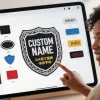
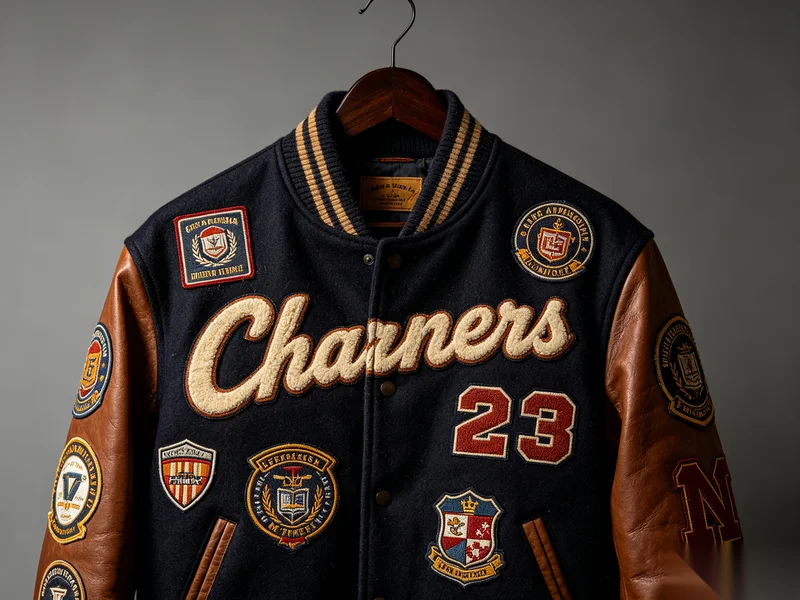
Woven label printing is a hybrid labeling process where a woven label is first produced using weaving machines, then enhanced with screen printing to add fine details, colors, or effects. This method combines durability and precision, making it ideal for high-quality garment branding and industrial applications.
What Is Woven Label Printing?
Woven label printing refers to a specialized manufacturing process widely used in the garment and textile industry. Instead of relying solely on weaving or printing, this technique integrates both methods to achieve superior results.
User Question: What makes woven label printing different from standard labels?
Short Answer: It combines woven labels with additional printing for enhanced detail and flexibility.
Detailed Explanation:
Traditional custom woven labels are created by interlacing threads to form text, logos, and patterns. However, weaving alone has limitations—especially when dealing with highly intricate designs, gradients, or very small text.
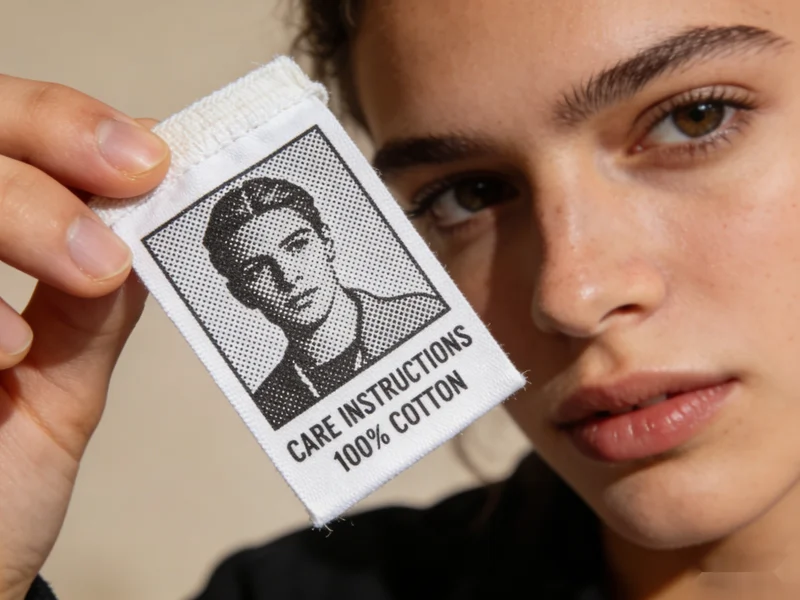
To overcome these challenges, manufacturers first produce the base woven label using advanced weaving machines. Afterward, they apply screen printing onto the woven surface. This creates printed woven labels with:
- Sharper details
- More color flexibility
- Enhanced visual effects (such as gradients or overlays)
- Improved branding consistency
This hybrid approach is particularly valuable for brands that demand both durability and design precision.

How Does the Woven Label Printing Process Work?
User Question: How are woven labels printed after weaving?
Short Answer: The label is woven first, then printed using screen printing techniques.
Step-by-Step Process:
- Design Preparation
The artwork is optimized for both weaving and printing stages. - Weaving the Base Label
High-speed looms produce the base label with core elements like logos or text. - Surface Treatment
The woven label is prepared to ensure proper ink adhesion. - Screen Printing Application
Ink is applied onto the label surface to add fine details, colors, or special effects. - Drying and Finishing
Labels are cured, cut, folded, and inspected for quality.
This process is a core part of modern garment label manufacturing, enabling factories to meet complex branding requirements efficiently.
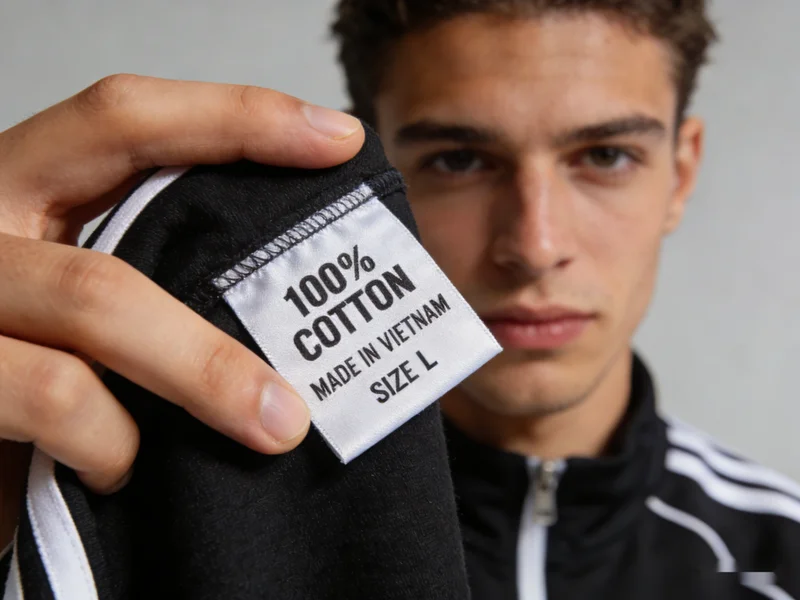
Why Choose Woven Label Printing for Your Brand?
User Question: Why should businesses use woven label printing instead of other labeling methods?
Short Answer: It offers durability, design flexibility, and premium branding quality.
In-Depth Benefits:
1. Superior Durability
Woven labels are inherently strong and resistant to washing, friction, and wear. Adding printing does not compromise this durability when done correctly.
2. Enhanced Design Capabilities
Unlike pure woven labels, printed woven labels allow:
- Fine lines and small fonts
- Multi-color gradients
- Complex logos
3. Cost Efficiency for Complex Designs
For intricate artwork, combining weaving and printing can be more cost-effective than attempting high-density weaving alone.
4. Premium Brand Perception
Brands in fashion, sportswear, and luxury sectors often use this technique to achieve a high-end look.

When Should You Use Woven Label Printing?
User Question: When is woven label printing the best option?
Short Answer: When your design is too complex for weaving alone but still requires durability.
Best Use Cases:
- High-end fashion garments
- Sportswear and performance apparel
- Outdoor and industrial clothing
- Branding labels with gradients or fine details
If your design includes photographic elements or extremely fine typography, this method is often the optimal solution.
Woven Labels vs Printed Labels: What’s the Difference?
| Feature | Woven Labels | Printed Labels | Woven Label Printing |
|---|---|---|---|
| Durability | High | Medium | High |
| Detail Level | Medium | High | Very High |
| Color Range | Limited | Wide | Very Wide |
| Texture | Textured | Smooth | Textured + Printed |
| Cost | Medium | Low | Medium–High |
User Question: Which is better: woven or printed labels?
Short Answer: It depends on your needs—woven label printing offers the best of both worlds.
How Does This Benefit B2B Buyers?
For B2B clients such as apparel brands, wholesalers, and manufacturers, choosing the right labeling solution directly impacts product quality and brand perception.
Key Advantages for Businesses:
- Scalability: Suitable for bulk production
- Consistency: Reliable quality across large orders
- Customization: Flexible design options for different product lines
- Brand Differentiation: Helps products stand out in competitive markets
Working with an experienced manufacturer ensures that both weaving and printing processes are optimized for your specific application.
What Should You Consider Before Ordering?
User Question: What factors should I evaluate before choosing woven label printing?
Short Answer: Design complexity, budget, order volume, and application.
Important Considerations:
- Design Complexity: More intricate designs benefit more from this method
- Material Selection: Polyester, cotton, or blends affect final results
- Color Requirements: Printing allows more flexibility
- Quantity: Bulk orders reduce unit costs
- End Use: Consider washing, friction, and environmental exposure

How to Ensure High-Quality Woven Label Printing?
To achieve the best results, businesses should partner with professional manufacturers who specialize in both weaving and printing technologies.
Quality Control Tips:
- Use high-resolution design files
- Choose appropriate thread and ink combinations
- Test samples before mass production
- Ensure color consistency between weaving and printing
A reliable supplier will guide you through these steps and provide technical recommendations tailored to your needs.
FAQs About Woven Label Printing
Q1: Can woven labels be printed with multiple colors?
Yes, screen printing allows multiple colors and even gradients, which are difficult to achieve with weaving alone.
Q2: Is woven label printing suitable for industrial garments?
Absolutely. It combines durability with clarity, making it ideal for workwear and heavy-use applications.
Q3: What is the minimum order quantity for woven label printing?
MOQ varies by manufacturer, but most B2B suppliers offer flexible options for bulk orders.
Q4: Will the printed design fade over time?
High-quality inks and proper curing ensure long-lasting prints that withstand washing and wear.
Q5: How long does production take?
Typically 1–3 weeks depending on complexity, quantity, and finishing requirements.
Q6: Is this method more expensive than standard labels?
It can be slightly higher in cost, but the added value in branding and durability often justifies the investment.
By integrating both weaving and printing technologies, woven label printing offers a powerful solution for businesses seeking high-quality, durable, and visually striking labels. For B2B buyers, it represents a smart investment in brand identity and product excellence.
About Author
——————————————————————————————————————————————

Apollo
Senior E-commerce Manager
Apollo is an experienced e-commerce manager specializing in patches, apparel accessories, and digital marketing, helping global textile brands grow with proven online strategies.
——————————————————————————————————————————————