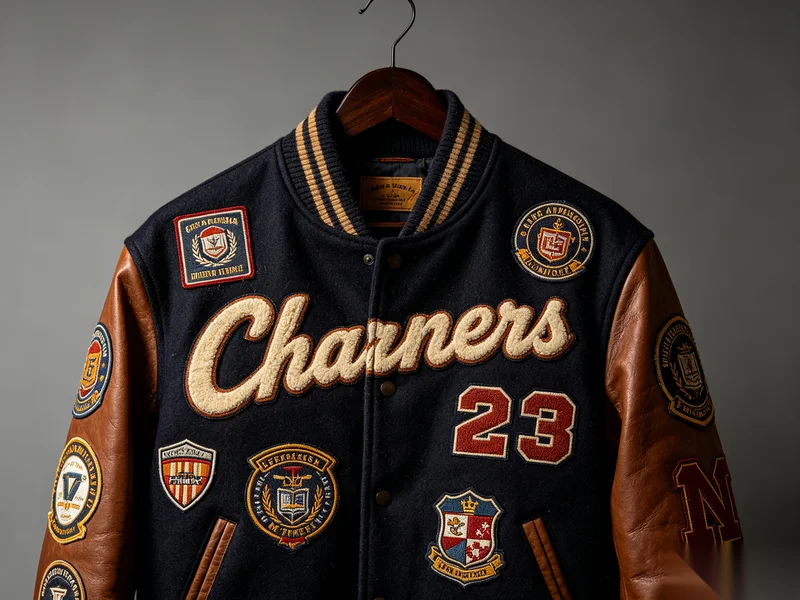
Silicone screen printing is a specialized printing technique that uses silicone-based ink to create flexible, durable, and textured designs on fabrics and garments. Businesses choose silicone printing for apparel because it offers superior stretch resistance, strong durability, premium texture, and excellent performance on sportswear, activewear, and fashion products.
| Key Advantage | Why It Matters for B2B Buyers |
|---|---|
| High Elasticity | Ideal for stretch fabrics and sportswear |
| Premium 3D Texture | Enhances product appearance |
| Excellent Durability | Resistant to cracking and peeling |
| Soft Touch Feel | Improves wearer comfort |
| Strong Brand Impact | Creates luxury visual effects |
Why Is Silicone Printing Becoming More Popular in the Fashion Industry?
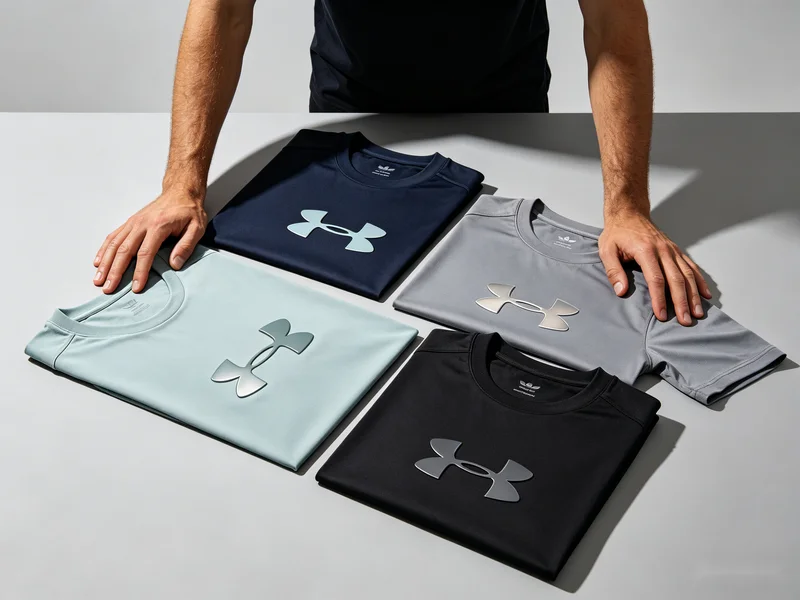
Silicone screen printing has become increasingly popular because modern apparel brands are looking for decoration methods that combine durability, flexibility, and premium aesthetics.
Traditional plastisol printing may crack or lose elasticity over time, especially on stretch fabrics. Silicone printing solves this problem by maintaining softness and flexibility even after repeated washing and stretching.
Industries commonly using silicone printing include:
- Sportswear brands
- Activewear manufacturers
- Outdoor apparel companies
- Streetwear labels
- Compression wear suppliers
- Yoga clothing brands
- Luxury fashion brands
For B2B apparel buyers, silicone printing provides both functional and visual advantages that help products compete in premium markets.

How Does Silicone Screen Printing Work?
Silicone printing uses specially formulated silicone ink applied through screen printing techniques.
The process generally includes:
- Artwork preparation
- Screen creation
- Ink mixing
- Layer-by-layer printing
- Heat curing
- Quality inspection
Unlike standard ink, silicone ink remains highly flexible after curing, making it suitable for garments requiring frequent movement and stretching.
What Are the Main Types of Silicone Printing for Apparel?
Different silicone printing techniques can achieve different visual and functional effects.
High Density Silicone Printing
High density silicone printing creates raised, three-dimensional designs with noticeable texture and depth.
This technique is commonly used for:
- Premium sportswear logos
- Luxury streetwear branding
- Fashion graphics
- Performance apparel
The 3D effect enhances brand visibility and product value.
Flat Silicone Printing
Flat silicone printing provides a softer, cleaner appearance while maintaining flexibility and durability.
Ideal for:
- Minimalist branding
- Technical sportswear
- Lightweight garments
Glossy Silicone Printing
Gloss finishes create a luxury appearance often used in high-end fashion collections.
Matte Silicone Printing
Matte silicone offers a more subtle and modern visual effect preferred by many activewear brands.
Why Is Silicone Printing Ideal for Sportswear and Activewear?
Stretch fabrics require decoration methods that can move naturally with the garment.
Silicone screen printing provides several important advantages for performance apparel.
Superior Stretch Resistance
Silicone ink stretches with fabrics without cracking.
Sweat and Weather Resistance
Silicone prints maintain durability even during intense athletic use and repeated washing.
Soft Comfort
Unlike thick traditional printing, silicone remains flexible and comfortable against the skin.
Premium Athletic Appearance
Raised silicone logos create a professional, technical look widely associated with high-performance apparel.
What Fabrics Work Best with Silicone Printing for Apparel?
Silicone printing works particularly well on performance fabrics and synthetic blends.
Common compatible materials include:
- Polyester
- Spandex
- Nylon
- Lycra
- Cotton blends
- Compression fabrics
- Technical sports textiles
However, fabric testing is important because different materials may require specific curing temperatures and adhesion treatments.
How Can Custom Silicone Logo Printing Improve Brand Value?
Modern consumers often associate silicone logos with premium sportswear and luxury activewear.
Enhanced Brand Recognition
Raised silicone logos create stronger visual and tactile impact compared to flat printing.
Luxury Product Positioning
Silicone printing helps brands achieve a higher-end appearance.
Improved Product Durability
Long-lasting prints reduce customer complaints and improve satisfaction.
Better Retail Presentation
Textured silicone designs photograph well for e-commerce and marketing materials.
What Should Businesses Consider Before Choosing Silicone Screen Printing?
B2B buyers should carefully evaluate technical and production factors before selecting silicone printing solutions.
Design Complexity
Very fine details may not perform as well in high-density silicone applications.
Fabric Compatibility
Different fabrics require different adhesion treatments and curing conditions.
Production Expertise
Silicone printing requires specialized equipment and experienced technicians.
Color Accuracy
Silicone ink behaves differently from traditional ink, so color matching must be carefully controlled.
Order Quantity
Some silicone printing setups become more cost-effective at higher production volumes.
What Are the Most Popular Design Trends in High Density Silicone Printing?
Fashion and sportswear brands are increasingly using silicone effects to create innovative garment designs.
3D Logo Branding
Raised logos remain one of the strongest trends in premium activewear.
Layered Silicone Graphics
Multi-layer printing creates dynamic dimensional effects.
Minimalist Matte Silicone Logos
Simple matte branding works especially well for luxury athletic apparel.
Reflective Silicone Effects
Reflective silicone combinations improve visibility for outdoor and running apparel.
Tone-on-Tone Silicone Printing
Subtle tonal branding creates a clean premium aesthetic.
Why Is Quality Control Critical in Silicone Screen Printing?
Silicone printing requires precise manufacturing control because defects can significantly affect garment quality.
Reliable quality inspection should verify:
- Adhesion strength
- Stretch performance
- Surface smoothness
- Color consistency
- Print thickness
- Heat curing accuracy
Poor curing or improper application may lead to peeling, bubbling, or inconsistent texture.
FAQ
What is silicone screen printing used for?
Silicone screen printing is mainly used for sportswear, activewear, outdoor apparel, streetwear, and premium fashion branding.
Is silicone printing better than plastisol printing?
For stretch fabrics and performance apparel, silicone printing often performs better because it provides greater flexibility and crack resistance.
What is high density silicone printing?
High density silicone printing creates raised 3D effects with thick silicone layers for premium texture and visual depth.
Can silicone printing be used on cotton fabrics?
Yes. Silicone printing can work on cotton, although it is especially effective on synthetic and stretch performance fabrics.
Is custom silicone logo printing durable?
Yes. Properly cured silicone prints are highly durable and resistant to stretching, washing, and environmental exposure.
Does silicone printing feel soft on garments?
Yes. Silicone ink remains flexible and soft compared to many traditional printing methods.
What Common Mistakes Should Buyers Avoid with Silicone Printing?
Many apparel brands misunderstand the technical requirements of silicone printing, which can lead to production problems.
Using Overly Detailed Artwork
Very thin lines or tiny text may lose clarity in raised silicone applications.
Ignoring Fabric Testing
Different fabrics respond differently to silicone adhesion and curing temperatures.
Choosing Inexperienced Suppliers
Silicone printing requires specialized technical expertise and equipment.
Overusing 3D Effects
Excessively thick prints may reduce comfort or garment flexibility.
Prioritizing Low Cost Over Quality
Cheap silicone materials may crack, discolor, or peel prematurely.
Conclusion
Silicone screen printing has become one of the most valuable decoration techniques for modern sportswear, activewear, and premium fashion products because it combines flexibility, durability, comfort, and luxury visual appeal. For B2B apparel buyers, silicone printing for apparel offers excellent opportunities to create differentiated, high-value products that meet the growing demand for performance and premium aesthetics.
The most successful silicone printing projects often use clean branding, balanced 3D effects, durable silicone materials, and fabric-compatible production techniques. Businesses should carefully evaluate supplier experience, curing quality, fabric compatibility, and design practicality before mass production.
By understanding current market trends, focusing on functional performance, and avoiding common production mistakes, brands can use high density silicone printing and custom silicone logo printing to improve product quality, strengthen brand positioning, and enhance long-term customer satisfaction in highly competitive apparel markets.
About Author
——————————————————————————————————————————————

Apollo
Senior E-commerce Manager
Apollo is an experienced e-commerce manager specializing in patches, apparel accessories, and digital marketing, helping global textile brands grow with proven online strategies.
——————————————————————————————————————————————